






Mourning Dove
Zenaida macroura
Mourning Doves are gentle birds with soft gray feathers. They coo sweetly and like to gather in parks and backyards.
Habitat: Open areas like fields, parks, and backyards.
The Mourning Dove is a slender, medium-sized bird with a small head and a long, pointed tail tipped with white. It has soft brownish-gray plumage, a small black spot below each eye, and iridescent pink-purple patches on its neck. Its sleek shape visually differentiates it from chunkier pigeons.
Category
BirdsRarity
Common
Danger
1/5 · Very low
Snaps
287
A group of doves can be called a "flight," "dole," or a "deceit"!
Mourning Doves are among the most widespread and abundant birds in North America!
These birds can eat up to 20% of their body weight in tiny seeds daily!
They often reuse old nests from other birds, saving time for their new eggs!
Mourning Doves can produce "crop milk" in their throat to feed their hatchlings, packed with nutrients for fast growth.
Mourning Doves can drink water like a straw without lifting their heads, allowing them to hydrate swiftly and efficiently.
Mourning Doves have specialized wings that create a distinctive whistle during takeoff or landing, signaling presence to others.
Mourning Doves are hungry herbivores that mostly munch on seeds from many different plants.
Age differences: Nestlings consume 'crop milk' from their parents, transitioning to seeds as they grow.
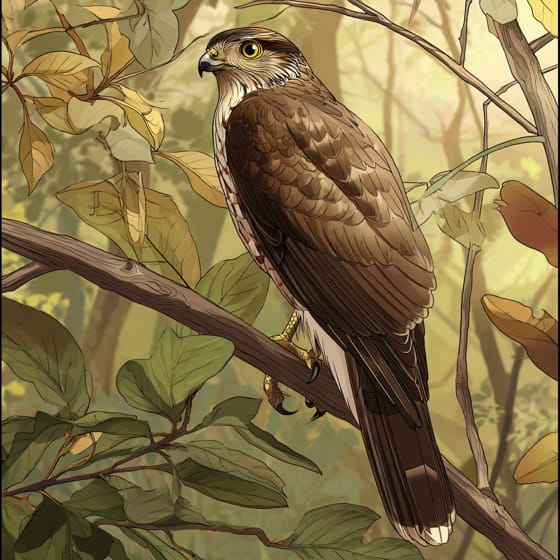
Accipiter cooperii
A common predator, especially of fledglings.
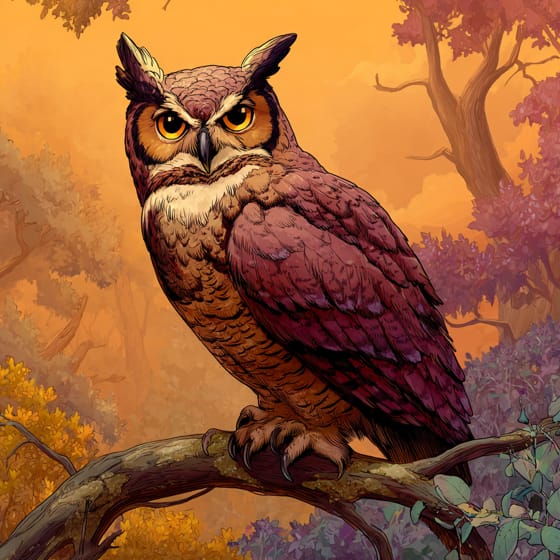
Bubo virginianus
Hunts Mourning Doves, particularly at dusk.
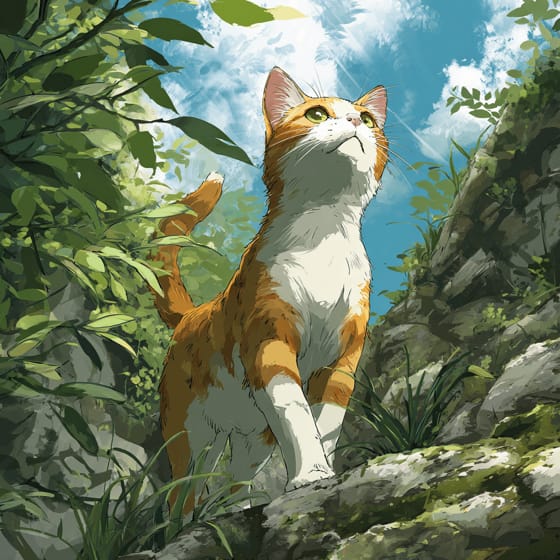
Felis catus
Predates on doves, especially around human habitats.
Ambrosia artemisiifolia
Consumes its plentiful seeds as a primary food source.
Setaria faberi
Feeds on the seeds of this common grass species.
Wildlife encompasses all undomesticated animal and plant life existing in their natural habitats.
Feathered describes animals, primarily birds, possessing a covering of feathers.
Social animals live in organized groups, cooperating for survival benefits such as foraging, defense, and raising offspring.
Singing animals produce complex vocalizations, often for purposes of attracting mates, defending territory, or communicating within their species.

This trait characterizes organisms whose diet consists entirely or primarily of plant material.

Diurnal animals are primarily active during daylight hours, typically resting or sleeping at night.

This habitat trait indicates species that can coexist with humans in urban and suburban environments, utilizing man-made structures and green spaces.
Danger
1/5 · Very low
Mourning Doves are friendly and not dangerous. It's best to watch them from a distance.
22-34 cm
37-45 cm
0.096-0.17 kg
1-19 years
88 km/h
Mourning Doves are hungry herbivores that mostly munch on seeds from many different plants.
Open areas like fields, parks, and backyards.
Foraging
Zoom in to split clusters and explore where this object has been snapped.

Michigan, US
You might spot African Lion, Komodo Dragon, and Brown Bear.
View guide →

Louisiana, US
You might spot Linnaeus's Two-Toed Sloth and Corn Snake.
View guide →
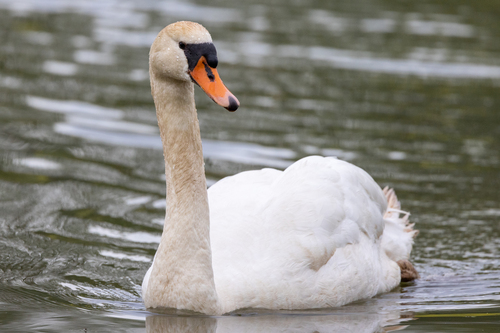
New York, US
You might spot Mute Swan, Duck, and House Sparrow.
View guide →
.jpg)
Maryland, US
You might spot White-Tailed Deer and Japanese Knotweed.
View guide →

Connecticut, US
You might spot Aurelia Aurita and Whitespotted Bamboo Shark.
View guide →

Illinois, US
You might spot White Mulberry, House Finch, and Scissor Grinder.
View guide →













