Orangutans
Nestled within the scenic White River State Park in Indianapolis, the Indianapolis Zoo offers an extraordinary journey into the natural world, combining the best features of a zoo, an aquarium, and a botanical garden.
Nestled within the scenic White River State Park in Indianapolis, the Indianapolis Zoo offers an extraordinary journey into the natural world, combining the best features of a zoo, an aquarium, and a botanical garden. As the first institution in the United States to achieve triple accreditation in all three categories, it presents a diverse and immersive experience for visitors of all ages. Spanning 93 acres, the zoo is a vibrant blend of meticulously crafted animal habitats and lush botanical landscapes, designed to engage and inspire a deeper connection to wildlife and conservation.Your adventure through the Indianapolis Zoo unfolds across distinct biomes, each transporting you to a different corner of the globe. Roam the vast Plains to encounter majestic African elephants, graceful giraffes, and swift cheetahs.
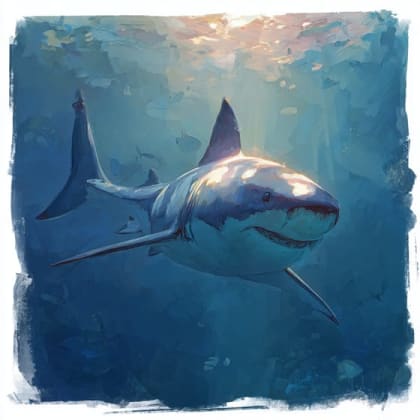
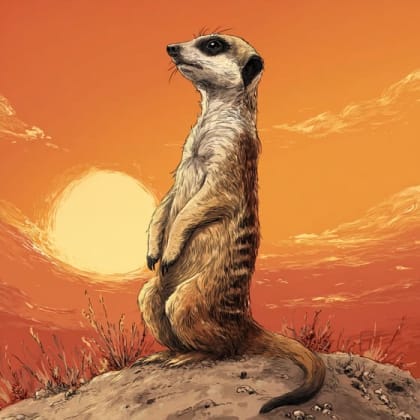
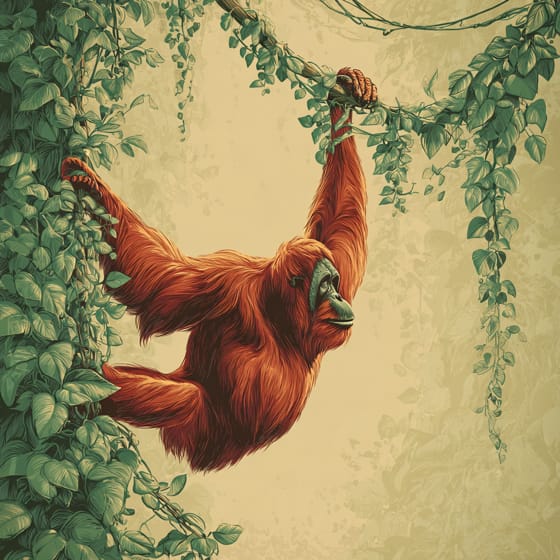
Delve into the dense Forests, home to fascinating creatures like red pandas and powerful tigers. The Deserts biome showcases resilient species such as meerkats and various reptiles, while the Flights of Fancy aviary allows you to marvel at a stunning array of birds, including the magnificent macaws. Beyond the terrestrial, the Oceans exhibit plunges you into aquatic wonders, where you can witness bottlenose dolphins performing captivating shows, touch gentle sharks in a dedicated pool, and observe playful penguins and sea lions.A highlight of any visit is the renowned Simon Skjodt International Orangutan Center, where these intelligent primates navigate a "functional forest," demonstrating their incredible agility and cognitive abilities.
Nearby, the International Chimpanzee Complex provides a fascinating glimpse into the social behaviors of chimpanzees, often seen traversing overhead tunnels throughout the park. Complementing the animal exhibits are the exquisite White River Gardens, offering a serene escape with its diverse plant collections, striking architectural features, and the tranquil Hilbert Conservatory. The Indianapolis Zoo is not just an attraction; it's a leader in animal conservation, with a portion of every ticket contributing to global wildlife protection efforts, making your visit a meaningful contribution to saving species. Eager to name that creature? Identify any animal you find during your visit using the Snappit app.
The vision for the Indianapolis Zoo began to take shape in the 1940s, largely spurred by local newspaper columnist Lowell Nussbaum, who passionately advocated for its creation in his "Inside Indianapolis" column. This advocacy led to the incorporation of the Indianapolis Zoological Society in October 1944. After years of planning and fundraising, the first iteration of the Indianapolis Zoo, then known as the Washington Park Children's Zoo, officially opened its doors on April 18, 1964, in George Washington Park. It quickly became a popular destination, attracting over 270,000 visitors in its inaugural year.As the zoo's animal collection and conservation ambitions grew, it became clear that a larger, more modern facility was needed. In 1982, plans were set in motion to relocate the zoo to its current, more prominent downtown site within White River State Park. The new Indianapolis Zoo opened on June 11, 1988, marking a significant milestone in its development. A defining achievement came in 1996 when the Indianapolis Zoo became the first institution in the United States to earn triple accreditation as a zoo, an aquarium, and a botanical garden, a testament to its comprehensive approach to wildlife, aquatic life, and horticulture.
Engage with animal feedings (available for giraffes, flamingos, and lorikeets), experience the unique Kangaroo Crossing walkabout, enjoy the daily Dolphin Presentation, and take a ride on the Kōmbo Coaster or the Skyline for aerial views of the park. Explore the diverse biomes from Deserts to Forests, and be sure to spend time in the White River Gardens.
Spring: Animals are very active, moderate weather is pleasant for walking, and special events like xZOOberance often occur. Summer: Peak season with extended hours and all attractions, including water features, fully operational. Be prepared for larger crowds and warmer temperatures; visit early in the morning to beat the heat. Fall: Cooler temperatures and beautiful autumn foliage create a picturesque setting, making for a more relaxed visit with fewer crowds. Winter: Shorter operating hours, but the zoo hosts popular events like Christmas at the Zoo, featuring festive lights. Some animals, particularly certain birds, may be housed indoors.
The Indianapolis Zoo and White River Gardens are fully ADA accessible, featuring ramps at multi-level exhibits, automatic doors, wheelchair-accessible tables, and an elevator in the Hilbert Conservatory. Accessible parking and wheelchair-accessible shuttles are available. The zoo is also a KultureCity-certified Sensory Inclusive institution, offering sensory bags with noise-reduction headphones, fidget tools, and communication cards, as well as weighted lap pads and designated quiet zones. ASL interpreters and assistive hearing devices can be requested in advance for the Dolphin Presentation.
Simon Skjodt International Orangutan Center
immersive International Chimpanzee Complex
captivating Dolphin Presentation
interactive Shark Touch Pool
Each card links to a full Explore page with photos, traits, and fun facts.
Start with the big picture, then zoom in to explore individual wildlife observations around this place.
Purchase tickets online in advance
This can save you both money (up to 50% on certain days) and time, allowing for expedited entry.
Arrive early
Many animals are most active in the cooler morning hours, and you'll experience fewer crowds, making for better viewing and photography opportunities.
Wear comfortable shoes and weather-appropriate attire: You'll be doing a lot of walking across 64 acres, so comfortable footwear is a must.
Check the daily schedule for presentations and feedings: Plan your route around must-see events like the Dolphin Presentation and animal feeding opportunities (giraffes, flamingos, lorikeets) to enhance your visit.
Utilize the accessibility and sensory resources: If you or a family member has sensory needs, take advantage of the KultureCity sensory bags and quiet zones to ensure a comfortable experience.
Consider a rainy day visit
Fewer crowds and often more playful animals can make for a surprisingly delightful and personal zoo experience. Just remember an umbrella!
Mar 2, 2026
Mar 2, 2026
Mar 2, 2026
Mar 2, 2026
Mar 2, 2026

Michigan, US
You might spot African Lion, Komodo Dragon, and Brown Bear.
View guide →
.jpg)
Municipal District of Cobh, IE
You might spot Ring-Tailed Lemur, Giraffes, and Cheetahs.
View guide →

Nouvelle-Aquitaine, FR
You might spot Greater Flamingo, Giraffes, and Red Panda.
View guide →

Texas, US
You might spot Giraffes, African Lion, and Eastern Black Rhinoceros.
View guide →
Take the discovery with you
Identify the wildlife you spot, learn as you go, and keep a collection of the adventure.