Snappit logo
Snappit
Get App
Sierra Nevada National Park photo
National ParkAndalusia, Spain

Sierra Nevada National Park

Sierra Nevada changes character as you climb.

About

Sierra Nevada changes character as you climb. Wooded slopes give way to low shrubs, sparse grass and stony heights; the mountains above Granada belong to the Mediterranean, but their upper reaches have a climate of their own. Old glacial hollows and the water coming down from them help explain the landscape just as much as the skyline does.

Start at El Dornajo, the visitor centre on the Granada approach. Its displays connect plants and mountain life with irrigation, snow gathering and the travellers who helped make the sierra known. It is an orientation gateway in the surrounding natural park, outside the national-park boundary. The two protected areas are managed together as Espacio Natural Sierra Nevada, but they are not interchangeable.

For a first national-park visit with limited walking, ask about the summer SIAC Norte guided minibus from Hoya de la Mora to Posiciones del Veleta. The view into the Guarnón valley gives the mountain story a much bigger scale. Book the outward and return arrangements before building your day around it, and keep the visit to the guide’s permitted stopping places. This is still high mountain, around 3,100 m at the upper stop.

If that trip is unavailable or unsuitable for your group, El Dornajo and the planted collections at nearby Hoya de Pedraza make a satisfying introduction of their own. The garden sits at the national/natural-park boundary; it does not stand in for an excursion through the national park’s wild habitats. Choose one version of the day rather than trying to fit in a summit, the ski resort and the Alpujarra as well. Enhance your adventure: download the Snappit app to identify the local species you encounter.

The sierra’s water has linked mountains and settlements for centuries. Irrigation channels developed during the Muslim period carried snowmelt and runoff across the slopes, supporting farming in terrain that looks difficult to cultivate. El Dornajo also introduces the trades of snow gathering and mining, and the travellers and naturalists who came to study the mountains. Protection developed in stages: the biosphere reserve was recognised in 1986, the natural park in 1989, and the national park was declared by the law of 11 January 1999. The national designation gave Mediterranean high-mountain ecosystems a place in Spain’s national-park network. The surrounding natural park remains a distinct part of the wider protected landscape.

What to do here

Use El Dornajo to understand what changes with altitude, then follow the plan you have confirmed in advance. In the SIAC operating season, travel to Hoya de la Mora for the guided return trip and spend the stops looking at landforms and low-growing vegetation. For a slower day, explore the Hoya de Pedraza plant collections if open.

Seasonal info

Snow and ice can outlast winter, and summer brings strong sunshine as well as possible thunderstorms. Autumn days shorten quickly and high ground can freeze. The northern SIAC is seasonal: an open road or a sunny morning does not mean the service is running or that walking above it is suitable.

Accessibility

Plan each part separately. Ask El Dornajo about step-free entry, the exhibition route and toilet access for your needs. Ask SIAC about the actual vehicle, boarding, wheelchair space, stopping surfaces and assistance arrangements before booking. At the garden and mountain stops, ask staff which surfaces and sections suit your wheelchair or pushchair.

Don't miss

1

Mountain nature and human history brought together at El Dornajo

2

The seasonal SIAC Norte trip into the national park

3

Glacial scenery and the Guarnón valley from Posiciones del Veleta

4

Hoya de Pedraza’s planted examples of mountain vegetation

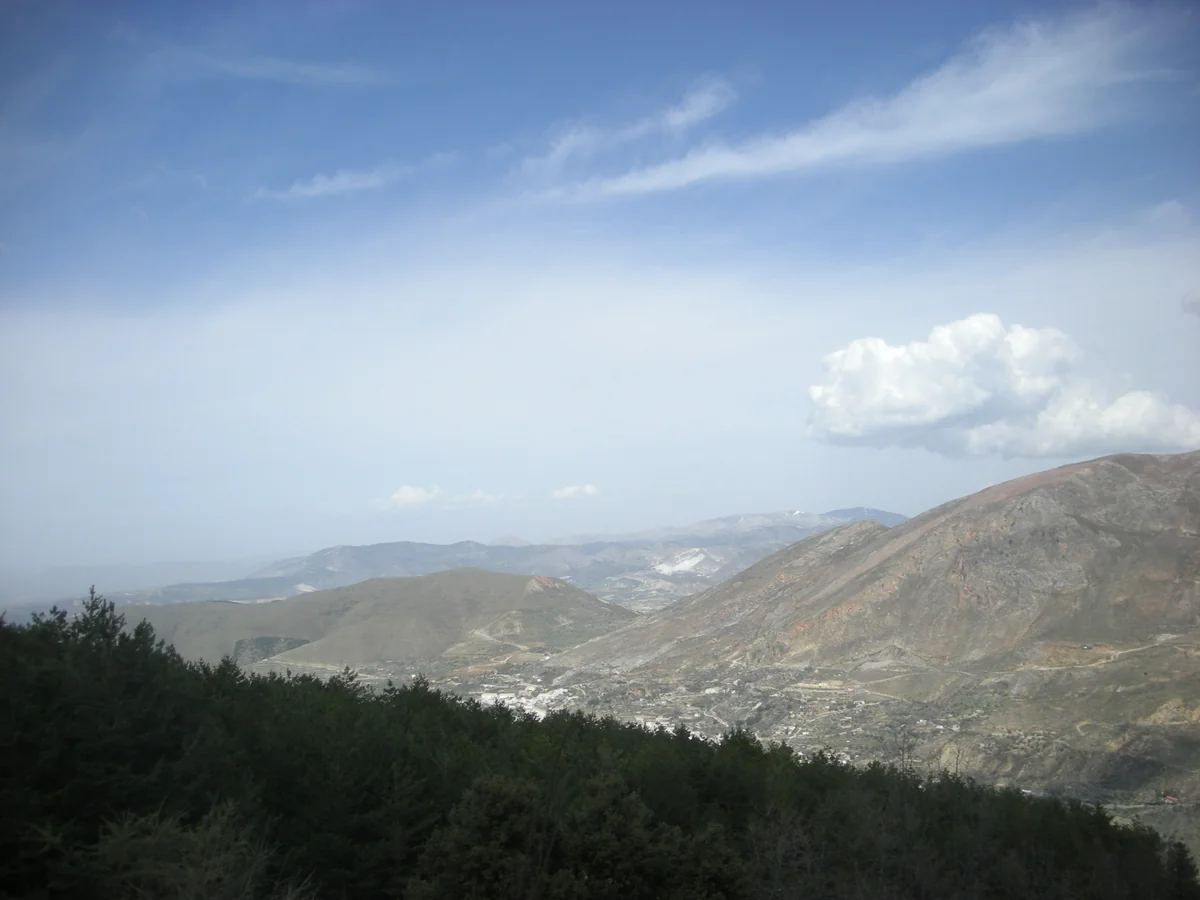
Pine-covered foreground slopes overlook a hazy mountain valley with scattered buildings under streaked clouds.

The Genil valley seen from El Dornajo in March 2009, showing the wider landscape around the Sierra Nevada orientation gateway.

Valle del Genil desde El Dornajo.jpg — Enrique Íñiguez Rodríguez (Qoan) / Wikimedia Commons / CC BY-SA 3.0 · Creative Commons

Walks and routes

Hoya de la Mora–Posiciones del Veleta by SIAC Norte

This is the main in-park option for a suitable summer day: a guided minibus journey from Hoya de la Mora to the high viewpoint above the Guarnón valley. Confirm a sightseeing return arrangement, including where you may stop and how long you have, rather than buying an uphill ride without a return plan. No independent summit walk is included.

Ask about the specific vehicle and the ground at each stop. The upper destination is around 3,100 m, so a short walk can feel demanding. Keep the outing within everyone’s ability and follow the guide’s instructions near steep ground.


Hoya de la Mora–Posiciones del Veleta by SIAC Norte

Dornajo–Campos de Otero: a separate walking day

For experienced walkers, this official linear route climbs from El Dornajo through changing vegetation and enters the national park at Prado Redondo before continuing towards the San Francisco shelter. MITECO’s leaflet gives 7 km, 550 m of elevation change and 3–4 hours outward; the Junta’s reverse-direction panel gives 8 km. Ask staff which current alignment to follow and arrange the return before setting off. This is not a short extension to the centre visit.

The route includes steep climbs, mountain paths and rough ground. It is not a step-free or pushchair route. The signed trail and its return demand a group comfortable with a substantial mountain day.

Dornajo–Campos de Otero: a separate walking day

Summer: one mountain outing

Confirm SIAC Norte first, including the return, then fit El Dornajo around that booking. Allow 45–60 minutes at the centre if open, travel to the stated departure point and keep the high stop focused on the view and the guide’s explanation. Bring your own snack and leave spare time for the drive back. Skip the garden if that would make the day rushed.

Lower-key: the centre and the garden

Allow about 2–3 hours for El Dornajo and Hoya de Pedraza, including the short transfer between them. Check both openings before travelling. Choose a few plant collections rather than making a full circuit compulsory. This gives you time for mountain stories and planted habitats without committing to the high-altitude trip.

Things to try

Read the mountain in layers

Compare the wooded slopes seen from the approach with the low plants and open stone higher up. At a safe stop, ask what changes with altitude and what changes with the underlying rock. Let one question lead the visit rather than trying to name everything.

A family three-detail challenge

Ask everyone to choose one texture, one plant shape and one sign of water. Photograph or sketch from the path, then compare your choices over a snack. It works just as well in the garden as on a suitable guided stop.

Use the garden labels

At Hoya de Pedraza, compare plants associated with limestone and with acidic rocks, then look at the streamside and threatened-species collections. These are planted teaching collections, so the labels are part of the experience.

Stay with the story indoors

If the roads are safe and El Dornajo is open, make its exhibitions the outing. If travel itself looks poor, use the centre’s online virtual tour from your accommodation and save the mountain for another day. The garden and exposed viewpoints are outdoor visits, not storm shelters.

Wildlife and habitats

Iberian ibex

The park’s characteristic wild mountain mammal. Scan rocky slopes from a safe stopping place; let an animal move away without following it.

Golden eagle

A wild raptor of the park’s open mountain country. Pause and watch the skyline; a distant bird may remain unidentified, and that is fine.

Griffon vulture

The park records this large soaring bird in its high-mountain fauna. Look from firm ground and enjoy its flight without moving towards cliffs.

Scots pine

One of the pines documented in the park’s mountain woods and along the Dornajo route. Ask a guide to help distinguish it from other pines, rather than naming every planted tree from a distance.

These are documented members of the park’s wildlife and woodland, not a checklist you should expect to complete in one visit. Watch from the paths, keep your distance and leave plants, nests and feeding animals undisturbed. The small things beneath your feet deserve as much care as the big animals.

Stories and discoveries

Ice helped draw the skyline

Glaciers shaped hollows, U-shaped valleys and lake basins in the high massif. Try picking out a hollow or the broad shape of a valley before looking for smaller details.

Low plants, big adaptations

Many high-mountain plants grow close to the ground. The park’s wet grasslands, called borreguiles, support distinctive plant communities and are especially vulnerable to trampling. Admire them from the established path.

Snow was once a trade

El Dornajo’s story includes people who gathered and stored mountain snow, alongside farming, mining and the arrival of travellers. It gives a human scale to a landscape that can initially seem all rock and sky.

When to visit

Spring

Enjoy the return of plant growth at the gateway and garden when open. Higher routes can still hold snow or ice, and SIAC Norte may not yet be operating. Ask about the actual ground where you intend to go.

Summer

Build the high-mountain day around a confirmed service and a suitable forecast. Sun, wind and thunderstorms matter even on a trip with little walking. Carry layers and water rather than dressing only for the heat in Granada.

Autumn and winter

Autumn can be a good time for a quieter learning visit, but declining daylight and freezing high ground narrow the choices. The northern SIAC is not a winter service. Snow conditions and mountain roads may make postponement the sensible option.

Getting there and practical advice

El Dornajo visitor centre

The centre is in Güéjar Sierra municipality. Take the A-395 towards Sierra Nevada and use the kilometre-23 exit; the official approach continues about 500 m to the centre. Call +34 660 037 151 for current opening, exhibitions and access questions. Do not rely on a shop or café being available to supply the day.

Hoya de Pedraza botanical garden

The garden is on the Granada–Sierra Nevada approach, around kilometre 27.8 of the A-395, in Monachil. For group visits, the official visitor page asks for advance reservation on +34 697 958 939. Check individual opening times, path conditions and facilities too.

Food, water and toilets

Bring enough water and food before leaving your base. Ask El Dornajo which toilets are open and whether they meet your access needs, and ask SIAC about facilities at the departure point and stops. Plan on the answer you receive rather than assuming services are waiting at the upper viewpoint.

Separate the road journey from the mountain service

The normal SIAC Norte departure is Hoya de la Mora, on the old Veleta road in the albergues area. El Dornajo is an earlier orientation stop, not the normal departure point. The Junta also describes a special complementary circuit from El Dornajo, but ask whether it is offered on your date before relying on it.

Confirm seats and the return

Contact SIAC Norte on +34 671 564 407 or [email protected] for operating dates, prices, booking and return arrangements. Ask about children, dogs or mobility needs at the same time. If travelling without a car, arrange the connection to the exact pickup point separately; a bus to the ski resort should not be assumed to deliver you to SIAC.

At El Dornajo

The official listing flags physical, visual and hearing accessibility features, but the details needed for an individual visit are not specified. Ask about the route from parking to the entrance, access to all exhibition levels, toilet availability and any audio or visual support. The online virtual tour is another way to explore the content.

At the garden and high stops

Describe your needs to the garden and SIAC staff before travelling. Ask which garden sections are usable, where slopes or uneven surfaces occur, and whether the actual minibus and stopping places suit you. Keep a lower-altitude alternative available; a vehicle ride does not remove the effects of height, cold or exposed ground.

Sources and useful links

Wildlife you might spot

2

Each card links to a full Explore page with photos, traits, and fun facts.

Snap map for this place

Start with the big picture, then zoom in to explore individual wildlife observations around this place.

Loading map…

Good to know before you go

Check the latest park safety sheet and AEMET mountain forecast before setting off. Follow closure signs and change the plan if conditions worsen.

For SIAC Norte, confirm the departure point, date, fare, return seat and stopping time directly. Do not assume the bus leaves from El Dornajo.

Pack drinking water, a snack, grippy shoes, sun protection, a warm layer and a waterproof, even for a minibus-based visit.

Keep children close at high viewpoints. Stop well back from edges before using a camera or binoculars.

Stay on the marked paths and protect the small plants underfoot. Avoid the wet mountain grasslands called borreguiles; never pick flowers or collect stones.

Watch animals quietly from a distance and never feed them. Keep dogs on a lead; check vehicle and indoor-facility rules before bringing one.

Do not light fires, leave litter or enter mountain lakes. Take food scraps back with you too.

Leave a generous return margin and keep your phone charged. Coverage can fail; 112 is the emergency number.

Frequently asked questions

No. El Dornajo interprets the wider protected landscape from the surrounding natural park. The seasonal SIAC Norte outing reaches the national park’s high ground; the separate Dornajo–Campos de Otero walking route enters the national park farther along, at Prado Redondo.
No. The ordinary northern service is a summer guided minibus between Hoya de la Mora and Posiciones del Veleta. Arrange travel to its departure point separately. Check the operating dates and return arrangements directly; ask for the latest timetable and fare.
That changes the outing into a mountain hike. The summit is not included in this short visit. It needs its own route, equipment, experience, weather assessment and return plan; ask a qualified local guide if you want to go farther.
Hoya de Pedraza is a conservation and display garden with planted collections representing several mountain habitats. The labels help connect the specimens with their natural habitats; these are planted collections, rather than wild plants found on a mountain walk.
There is no single gate serving this huge park. Requirements depend on the activity and service: confirm SIAC bookings and charges directly, and reserve a group garden visit with its staff. Special activities and overnight plans may need separate authorisation.
Choose the lower gateway plan and ask staff which parts suit your group. A vehicle ride removes a long uphill walk but still takes you to high altitude. If a health condition makes altitude a concern, seek medical advice before choosing the upper trip.

Recent snaps at this place

View all ›

Take the discovery with you

Exploring Sierra Nevada National Park?

Identify the wildlife you spot, learn as you go, and keep a collection of the adventure.

  1. 1Spot it
  2. 2Snap it
  3. 3Keep the discovery