





Acalyptrate Flies
acalyptratae
Acalyptrate flies are tiny insects that buzz around and can be found in many places! They help the environment by breaking down organic matter and are fun to watch as they flit about.
Habitat: Acalyptrate flies live in diverse environments, including gardens, forests, and wetlands.
The Acalyptrate Flies are a varied group of small to medium insects, typically featuring two clear wings and a compact body. They often have large, prominent eyes and bristly legs, with colours ranging from dull browns and blacks to vibrant metallic greens or blues.
Category
InsectsRarity
Common
Danger
0/5 · No known danger
Snaps
Be the first to snap!
Many lay their eggs inside rotting fruit or plants!
Some can walk on ceilings upside down easily!
Their eyes are made of thousands of tiny lenses!
They have over 100,000 different known species!
Acalyptrate Flies can pollinate many plants because they visit flowers for nectar, helping plants reproduce.
Acalyptrate Flies can decompose decaying organic matter, helping to recycle nutrients in ecosystems.
Some Acalyptrate Flies species mimic bees or wasps because their appearance scares away predators.
These diverse flies eat decaying matter, nectar, or sometimes other small insects.
Age differences: Larvae often have different diets than adults, typically consuming decaying matter.
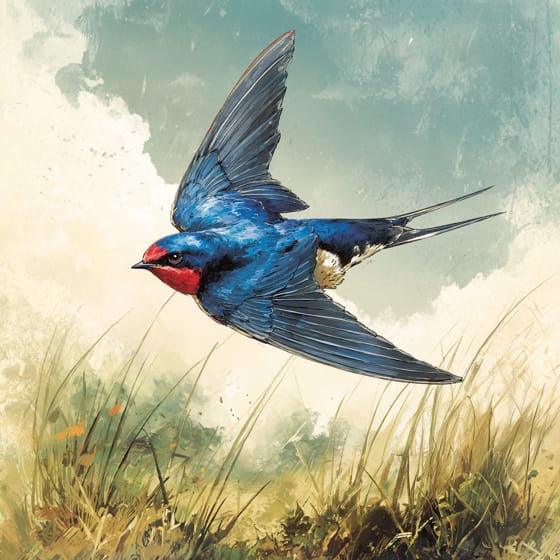
Hirundo rustica
These birds are agile hunters, catching flies mid-flight.
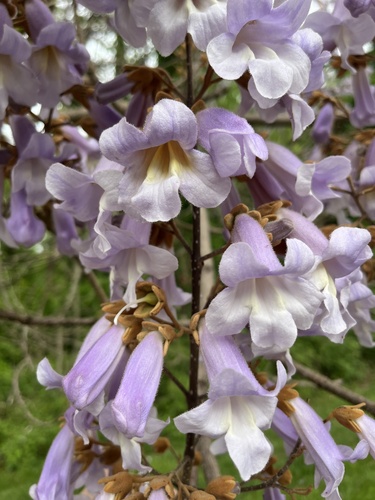
Daucus carota
Many small-flowered plants depend on flies for pollination.

Armillaria mellea
Some acalyptrate fly larvae develop by feeding on fungi.
Misumena vatia
These spiders often ambush visiting flies on flowers.
Solitary animals live alone for most of their lives, only interacting with others for mating or parental care.
Colorful describes organisms or objects displaying a wide range of bright and distinct colors.
Describes organisms that break down dead organic material, recycling nutrients back into the ecosystem.
Diurnal animals are primarily active during daylight hours, typically resting or sleeping at night.

Describes organisms that transfer pollen, enabling the fertilization and reproduction of plants.
Danger
0/5 · No known danger
No special safety notes yet.
The easiest way to identify Acalyptrate Flies is to use the Snappit nature identifier app.
4-20 mm
2-10 mm
15-60 days
8 km/h
These diverse flies eat decaying matter, nectar, or sometimes other small insects.
Acalyptrate flies live in diverse environments, including gardens, forests, and wetlands.
Foraging
Zoom in to split clusters and explore where this object has been snapped.
Recent snaps will appear here as new observations are added.
Take the discovery with you
Snap it with Snappit to identify it, learn what makes it special, and add the discovery to your collection.









.jpg&width=800)



