

Acmaeodera Tubulus
acmaeodera tubulus
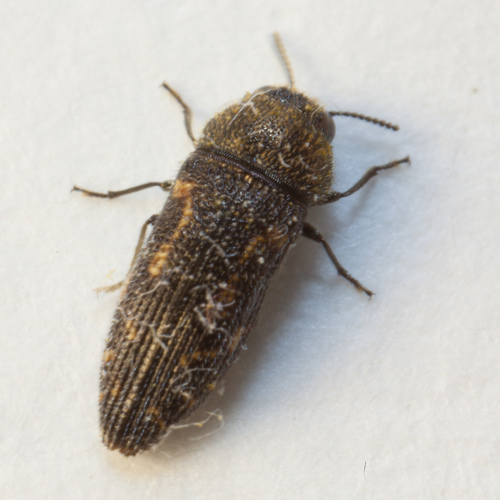
Acmaeodera tubulus, commonly known as a flat-headed hardwood borer, is a tiny and charismatic metallic wood-boring beetle native to North America. These beetles are easily recognized by their dark, cylindrical bodies adorned with distinctive yellow or orange speckles. Adults are highly active during warm, sunny spring and summer days, frequently seen visiting a wide variety of wildflowers to feed on pollen and nectar. While the adults enjoy a diet of sweet blooms, their larvae play an important ecological role as decomposers. Larvae bore into the dead and decaying wood of various hardwood trees, such as oaks and hickories, helping to break down organic matter and recycle vital nutrients back into the forest soil. This species is a delightful find for any nature observer exploring sunlit forest edges.
Habitat: Typically found in deciduous woodlands, forest edges, and adjacent fields where wildflowers and hardwood host trees are abundant.
This minuscule beetle measures between 0.5 to 0.8 centimeters in length, featuring a robust, cylindrical body shape. Its dorsal surface is a dark, metallic bronze or black, punctuated by a series of small, bright yellow or orange-red spots scattered across the elytra (wing covers). The elytra are fused along the midline, preventing them from opening during flight. Its thorax and head are heavily punctured, giving the beetle a textured, rugged appearance under close inspection.
Category
InsectsRarity
Common
Danger
1/5 · Very low
Snaps
1
Adults are highly thermophilic, meaning they are most active during the hottest parts of sunny days when other insects might seek shade.
Because their elytra are fused, they cannot open them to fly; instead, they slip their flight wings out of the sides of their armor, looking like miniature jet fighters.
Their larvae are called flat-headed borers due to the wide, flattened thorax that makes them look like they have an oversized head.
Unlike most beetles, this species has fused wing covers and flies by extending its membranous hindwings from the sides without opening its elytra, enhancing aerodynamic efficiency.
In its larval stage, it possesses strong, specialized mouthparts designed to chew through tough, decaying hardwood fibers.
The yellow spots on its dark body help it blend in with the stamens and pollen of the flowers it visits, protecting it from predators.
Adults feed primarily on pollen and nectar from various wildflowers, while larvae feed on the dead wood of hardwood trees.
Age differences: Larvae are wood-boring detritivores feeding on dead hardwood, whereas adults are florivorous, feeding on pollen and nectar.
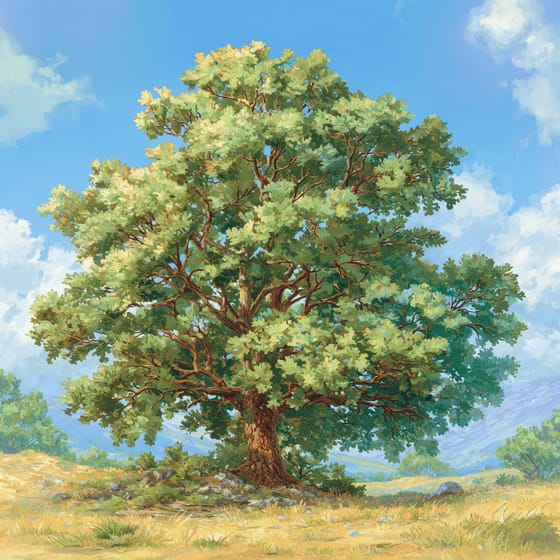
Quercus alba
Larvae feed inside the dead branches and wood of this tree.
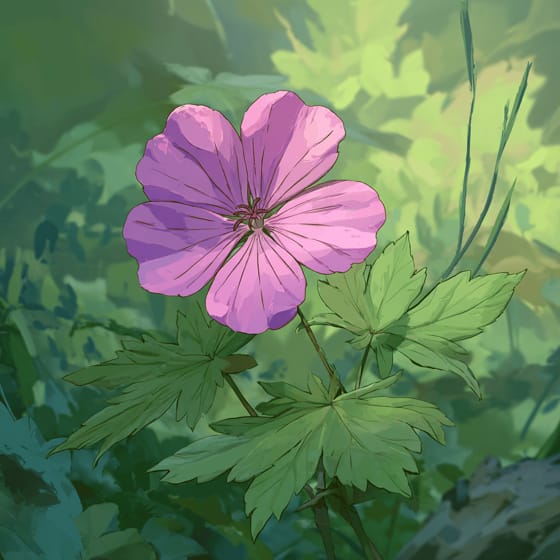
Geranium maculatum
Adult beetles feed on the pollen and nectar, occasionally acting as minor pollinators.
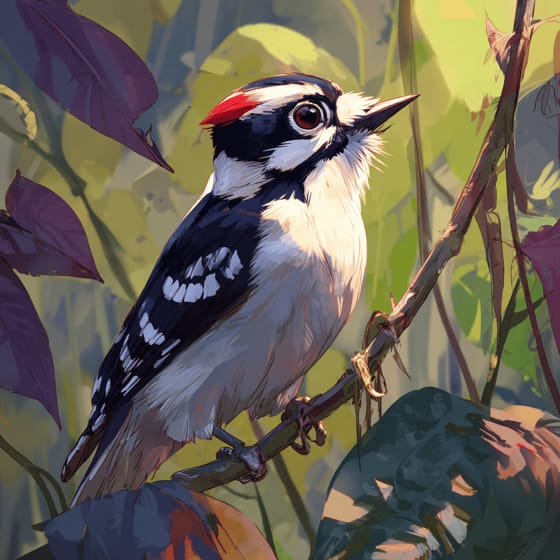
Dryobates pubescens
Woodpeckers forage on dead tree bark to extract and eat the wood-boring larvae.
No trait badges are assigned for this object yet.
No aliases listed yet.
Collections for this object will appear here as more themes are added.
Danger
1/5 · Very low
No special safety notes yet.
The easiest way to identify Acmaeodera Tubulus is to use the Snappit nature identifier app.
Adults feed primarily on pollen and nectar from various wildflowers, while larvae feed on the dead wood of hardwood trees.
Typically found in deciduous woodlands, forest edges, and adjacent fields where wildflowers and hardwood host trees are abundant.
Foraging
Zoom in to split clusters and explore where this object has been snapped.
Take the discovery with you
Snap it with Snappit to identify it, learn what makes it special, and add the discovery to your collection.













.jpg&width=800)




