





Villa
Villa
The Villa is a small insect that loves to buzz around flowers. It helps plants grow by spreading pollen and is often seen in gardens during sunny days.
Habitat: Gardens
The Villa is a furry insect, often resembling a bee with its stout, hairy body. It typically has distinctive dark markings or patterns on its wings. These flies frequently display varied colors, including shades of brown, yellow, and black, making them visually striking.
Category
InsectsRarity
Common
Danger
1/5 · Very low
Snaps
Be the first to snap!
Baby Villas are secret agents, sneaking into other insect nests to grow strong!
Some Villas are master disguise artists, looking just like scary wasps to trick predators!
Their wings beat so fast, they sometimes look like a blurry shimmer when they fly!
They drink nectar like tiny hummingbirds, hovering perfectly in front of flowers!
Villa can hover perfectly still in mid-air because of its rapid wing beats that help them precisely approach flowers.
Villa has a long, slender proboscis that helps them reach nectar deep inside flowers, avoiding messy pollen.
Villa can mimic bees or wasps in appearance, which helps them avoid predators who think they are dangerous.
Villa larvae can parasitize other insect larvae, helping control pest populations by consuming them secretly.
Adult Villas sip nectar, while their larvae secretly eat other insects.
Age differences: Adults feed on nectar and pollen, while larvae are parasitic on other insect larvae, consuming them.
Apis mellifera
Villa larvae are known to parasitize the larvae of honey bees.
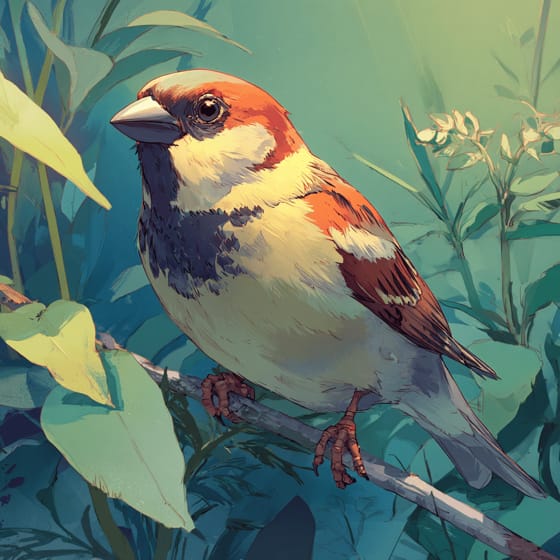
Passer domesticus
Adult Villa flies can be a food source for small birds like sparrows.

Taraxacum officinale
Adult Villa flies help pollinate various wildflowers, including dandelions.
Bombus terrestris
Villa larvae can develop as parasites inside the nests of bumblebees.
Social animals live in organized groups, cooperating for survival benefits such as foraging, defense, and raising offspring.
Colorful describes organisms or objects displaying a wide range of bright and distinct colors.
This trait characterizes organisms whose diet consists entirely or primarily of plant material.
Describes plants that are particularly attractive and beneficial to a wide range of pollinating organisms.

Diurnal animals are primarily active during daylight hours, typically resting or sleeping at night.

Pertaining to species that are significantly smaller than typical or average for their kind.

This habitat trait indicates species that can coexist with humans in urban and suburban environments, utilizing man-made structures and green spaces.

Describes organisms that transfer pollen, enabling the fertilization and reproduction of plants.
No aliases listed yet.
Danger
1/5 · Very low
Don't try to catch insects; just watch them from a distance!
The easiest way to identify Villa is to use the Snappit nature identifier app.
7-40 mm
5-20 mm
14-30 days
15 km/h
Adult Villas sip nectar, while their larvae secretly eat other insects.
Gardens
Null
Zoom in to split clusters and explore where this object has been snapped.
Recent snaps will appear here as new observations are added.
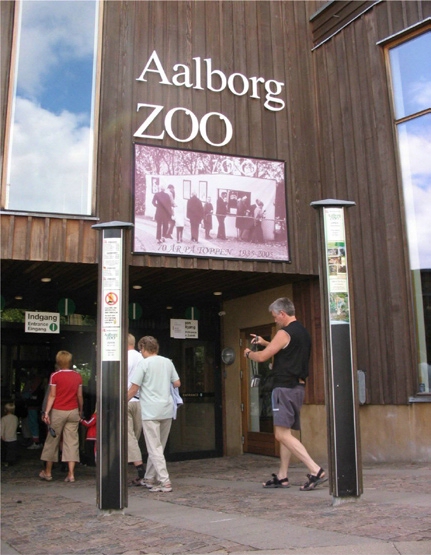
North Denmark Region, DK
You might spot Polar Bear, Orangutans, and Tiger.
View guide →

Virginia, US
You might spot Clydesdale Horse, Highland Cattle, and Sheep.
View guide →
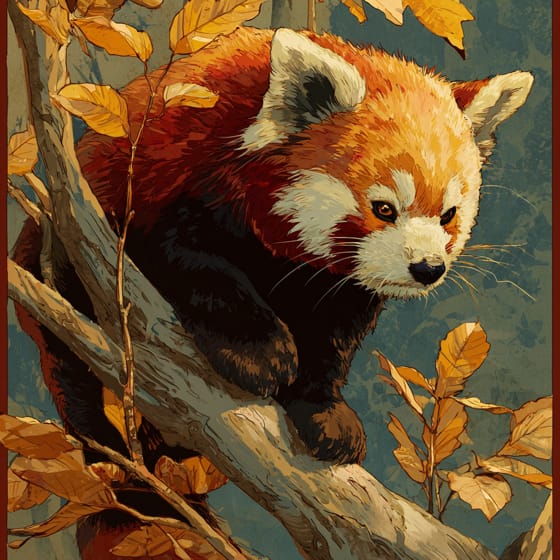
Saxony, DE
You might spot Red Panda, Yak, and Domestic Bactrian Camel.
View guide →

Florida, US
You might spot West Indian Manatee and American Alligator.
View guide →

Masovian Voivodeship, PL
You might spot African Elephant, Sand Tiger Shark, and Gorilla.
View guide →
Take the discovery with you
Snap it with Snappit to identify it, learn what makes it special, and add the discovery to your collection.







.jpg&width=800)



