


Northern Cardinal

Lock and Dam No. 19 is a monumental engineering feat on the Mississippi River, connecting Hamilton, Illinois, with Keokuk, Iowa. This historic complex stands as one of the largest and most significant lock and dam systems on the river, serving as a critical artery for commercial navigation and a substantial source of hydroelectric power for over a century. It's a place where the grandeur of human innovation meets the majesty of nature, offering a unique blend of industrial spectacle and ecological wonder. Visitors can witness the sheer scale of river commerce and observe abundant wildlife drawn to its waters.
A visit to Lock and Dam No. 19 offers a captivating display of both power and patience. From the convenient observation areas, you can watch immense towboats and barges gracefully navigate the impressive 1,200-foot lock, experiencing a remarkable 38-foot vertical lift in mere minutes. Adjacent to this navigation hub, the historic Keokuk Hydroelectric Plant, once the largest in the world, continues to harness the river's energy, providing a tangible link to early 20th-century innovation. The open waters below the dam also create a crucial winter sanctuary, attracting hundreds of majestic Bald Eagles, making it a premier destination for birdwatching. Various fish species like Walleye, Channel Catfish, and Shovelnose Sturgeon thrive in the rich waters, contributing to the area's ecological importance.
More than just a functional structure, Lock and Dam No. 19 is a testament to human ingenuity and its profound impact on river systems, commerce, and renewable energy. Whether you're captivated by the rhythmic operations of the lock, the soaring grace of a bald eagle, or simply the scenic panorama of the Mississippi, this site provides an unforgettable experience. It offers a unique window into the past and present of river life, making it a compelling destination for those seeking both educational insights and natural beauty. Eager to name that creature? Identify any animal you find during your visit using the Snappit app.
The origins of Lock and Dam No. 19 date back to the early 20th century, driven by the challenge of the Des Moines Rapids, a treacherous nine-mile stretch of shallow, turbulent water that previously impeded navigation on the Mississippi River. Construction commenced in 1910 through a partnership between the U.S. Army Corps of Engineers and the Mississippi River Power Company, and the dam was completed in 1913. Upon its completion, the Keokuk Hydroelectric Plant, integral to the complex, held the distinction of being the largest hydroelectric power plant in the world. Designed by engineer Hugh Lincoln Cooper, the facility dramatically transformed river commerce and regional development. The original lock was later replaced and upgraded in 1957 with the current 1,200-foot lock, significantly enhancing its capacity for modern barge traffic. The entire Lock and Dam No. 19 complex is listed on the National Register of Historic Places, recognizing its immense historical and engineering significance.
Observe commercial river traffic and recreational vessels using the lock, photograph the dam and hydroelectric plant, birdwatch (especially eagles in winter), and explore the history at the museum.
Winter temperatures can be cold, but the open water provides excellent eagle viewing. Summer offers warmer weather for outdoor observation.
Parking is available near the dam. Viewing platforms and information kiosks are designed to be accessible to visitors. The Observation Deck also features benches and picnic tables.
Witnessing the colossal barges and towboats being raised or lowered by 38 feet through the 1,200-foot lock is a mesmerizing experience.
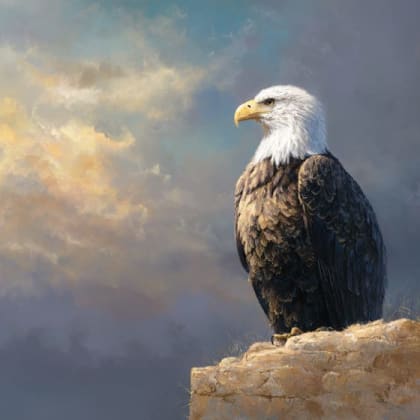
During winter, the sight of numerous bald eagles circling and diving for fish below the dam is a major draw.
While tours may not always be available, the plant's massive structure is an impressive sight, showcasing its historical significance as a pioneering power generator.
Located on the Keokuk, Iowa, side of the river, this converted bridge offers expansive views of the lock, dam, and surrounding Mississippi River scenery, as well as a prime spot for eagle viewing in winter.
Each card links to a full Explore page with photos, traits, and fun facts.
Start with the big picture, then zoom in to explore individual wildlife observations around this place.
Head to the Observation Deck (on the Keokuk, Iowa side) for the most comprehensive views of the lock, dam, and river activity.
Bring binoculars or a telephoto lens, especially if visiting in winter, to get the best views of Bald Eagles and other distant wildlife.
For insights into river traffic, be aware that commercial towboats often communicate with the lock on VHF (FM) Channel 14, which can sometimes be monitored via personal marine radios or at visitor centers with public speakers.
Visit the Keokuk-Hamilton Dam Museum in Keokuk, Iowa, to delve deeper into the fascinating history and engineering behind the lock and dam.
Plan your winter visit around mid-morning or late afternoon for optimal bald eagle viewing, as they are often most active during these times.
Wear comfortable shoes, as there are accessible viewing areas that invite some walking to fully appreciate the different perspectives.

Maryland, US
You might spot White-Tailed Deer and Eastern Gray Squirrel.
View guide →
.jpg)
District of Columbia, US
You might spot Eastern Gray Squirrel, Duck, and House Sparrow.
View guide →

Illinois, US
You might spot American Robin, Canada Goose, and House Sparrow.
View guide →

Virginia, US
You might spot Spotted Lanternfly and Northern Cardinal.
View guide →
Take the discovery with you
Identify the wildlife you spot, learn as you go, and keep a collection of the adventure.