





Aconite
Aconitum napellus
Aconite, also known as monkshood, is a beautiful flower with hood-shaped petals. It blooms in shades of blue, purple, and white, adding color to shady gardens.
Habitat: Forests
The Aconite has striking deep blue to purplish flowers, uniquely shaped like a monk's hood or helmet. These tall, upright plants feature dark green, deeply lobed leaves, creating a dramatic, elegant appearance in gardens and woodlands.
Category
PlantsRarity
Rare
Danger
5/5 · Extreme
Snaps
Be the first to snap!
Ancient people believed it could protect against werewolves and evil spirits!
Even touching the sap can cause skin irritation or worse effects!
Its striking flowers are often called "monk's hood" or "wolfsbane"!
This plant produces some of the fastest-acting and most potent natural poisons.
Aconite can produce powerful toxins in its roots and leaves, which helps it strongly deter most hungry herbivores.
Aconite has unique helmet-shaped flowers that guide specific long-tongued insects like bumblebees directly to its nectar.
Aconite thrives in cool, damp, mountainous regions, allowing it to survive and bloom even in challenging, colder environments.
Bombus terrestris
Specialized bees fit its unique flower shape and access nectar.
Bombus pascuorum
Another key pollinator, vital for the plant's reproduction in its habitat.
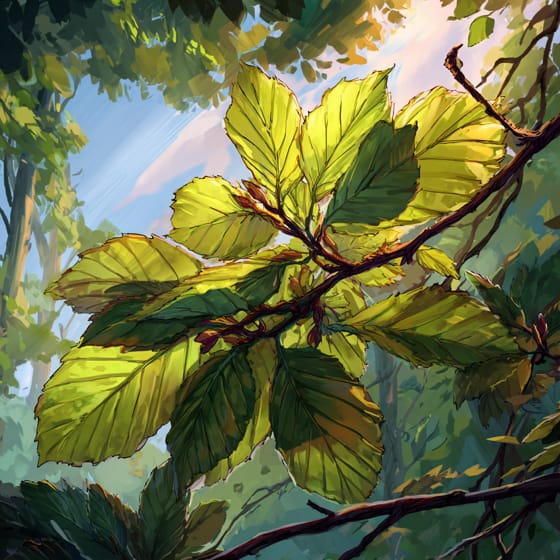
Fagus sylvatica
Often thrives in the dappled shade beneath broadleaf trees like this.
Deciduous plants periodically shed all their leaves, typically during autumn or dry seasons.
Flowering plants are any plants that produce flowers as part of their reproductive cycle.
Shade tolerant plants are adapted to grow and thrive in areas with low light levels, requiring less direct sunlight.
Medicinal plants possess chemical compounds that can be used for therapeutic purposes to treat illnesses or maintain health.

Night blooming plants open their flowers after sunset, often to attract nocturnal pollinators with their scent and appearance.

This trait signifies organisms belonging to a very old evolutionary group with ancestors dating back millions of years.

Forest habitats are terrestrial environments dominated by dense tree cover, supporting a high diversity of plant and animal life.

Toxic organisms contain substances that are poisonous and can cause adverse effects upon exposure.

Poisonous organisms produce toxins that can cause harm when ingested, inhaled, or absorbed through contact.
Danger
5/5 · Extreme
Never touch or ingest any part of the aconite plant as it is extremely poisonous.
The easiest way to identify Aconite is to use the Snappit nature identifier app.
100-150 cm
30-60 cm
2-4 cm
Late summer to fall
No
Deadly
Perennial
Zoom in to split clusters and explore where this object has been snapped.
Recent snaps will appear here as new observations are added.
Take the discovery with you
Snap it with Snappit to identify it, learn what makes it special, and add the discovery to your collection.







.jpg&width=800)



_001.jpg&width=800)



