.jpg&width=800)





Agile Frog
Rana dalmatina
The Agile Frog is a small, lively frog that loves to hop around in wet places. It has a beautiful greenish-brown color that helps it blend in with nature.
Habitat: Wetlands
The Agile Frog is a slender amphibian with long, powerful hind legs. It typically has smooth, light to reddish-brown skin with a distinct dark patch behind each eye, contrasting with its pale, unmarked belly. Its overall appearance is streamlined for jumping.
Category
AmphibiansRarity
Common
Danger
1/5 · Very low
Snaps
Be the first to snap!
Their Latin name Rana dalmatina refers to the Dalmatian coast where they were first described!
They can see tiny insects moving even in dim light, making them excellent night hunters!
Unlike many frogs, they often jump straight over obstacles instead of just going around them!
When startled, an Agile Frog can sometimes play dead for a moment to confuse a predator!
Agile Frog can leap incredible distances because of its long, powerful hind legs that help them escape predators and catch prey.
Agile Frog can stay underwater for long periods because its skin can absorb oxygen, helping them hide from dangers.
Agile Frog has varying skin colours that help them blend perfectly into their woodland and pond surroundings, making them hard to spot.
They are insect hunters, using their sticky tongue to snap up a variety of small invertebrates for a meal.
Age differences: Tadpoles are herbivorous, feeding on algae and plant matter, while adults are strictly carnivorous.
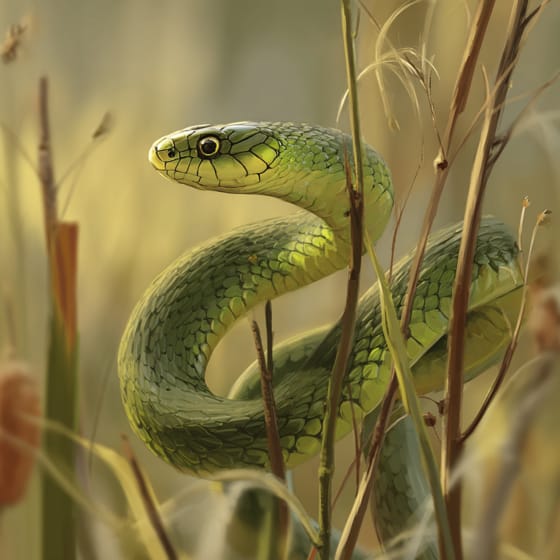
Natrix natrix
Grass snakes are common predators of adult Agile Frogs.
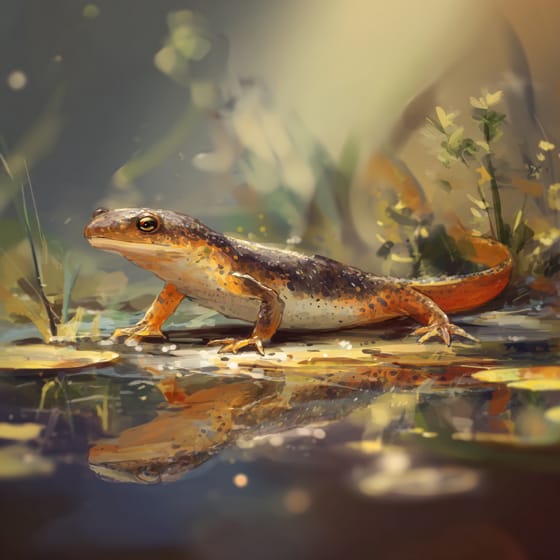
Lissotriton vulgaris
Smooth Newts hunt Agile Frog eggs and tadpoles.
.jpg&width=800)
Ardea cinerea
Grey Herons actively prey on frogs near water bodies.
Formica rufa
Agile Frogs frequently eat ants and other small insects.
Characterized by having toes connected by a membrane, typically aiding in swimming.
Singing animals produce complex vocalizations, often for purposes of attracting mates, defending territory, or communicating within their species.
Camouflaged describes organisms that possess coloring or patterns that allow them to blend into their environment.
This trait identifies organisms whose diet primarily consists of insects and other small invertebrates.

This habitat trait identifies species found in wetlands, which are areas of land saturated with water, either permanently or seasonally, including marshes, swamps, and bogs.

Diurnal animals are primarily active during daylight hours, typically resting or sleeping at night.

This trait identifies organisms that exhibit exceptional swiftness in movement for hunting, escape, or travel.

Aquatic habitats encompass environments where organisms live predominantly in water, including oceans, rivers, lakes, and wetlands.

Endangered status indicates a species is at a very high risk of extinction in the wild in the near future.
No aliases listed yet.
Danger
1/5 · Very low
Always watch frogs from a distance and don't touch them, as they can be sensitive.
The easiest way to identify Agile Frog is to use the Snappit nature identifier app.
4.5-8 cm
0.005-0.025 kg
6-10 years
18 km/h
They are insect hunters, using their sticky tongue to snap up a variety of small invertebrates for a meal.
Wetlands
Ambush
Zoom in to split clusters and explore where this object has been snapped.
Recent snaps will appear here as new observations are added.
Take the discovery with you
Snap it with Snappit to identify it, learn what makes it special, and add the discovery to your collection.








.JPG&width=800)


.jpg&width=800)

