





Agrilus
agrilus
The Agrilus is a shiny beetle that loves to munch on trees! These little creatures are often spotted on the bark of their favorite plants.
Habitat: Agrilus beetles are commonly found in forests and woodlands where their host trees grow.
The Agrilus is a slender, metallic-colored beetle, often displaying iridescent greens, blues, or coppers. Its elongated, torpedo-shaped body tapers to a pointed rear, distinguishing it from broader-bodied beetles. They possess short antennae and large eyes.
Category
InsectsRarity
Common
Danger
1/5 · Very low
Snaps
Be the first to snap!
Female Agrilus can lay hundreds of tiny eggs in tree bark crevices!
Some Agrilus larvae can live for several years hidden inside trees!
There are over 3,000 different kinds of Agrilus beetles found worldwide!
These beetles have powerful chewing mouthparts to munch on wood and leaves!
Agrilus larvae can tunnel deep into tree wood because of strong mandibles, which helps them find food and stay hidden.
Agrilus has a brilliant metallic exoskeleton that helps them blend perfectly with tree bark or leaves, avoiding predators.
Agrilus can suddenly freeze and drop to the ground, appearing lifeless, which helps them trick birds and other predators.
Larvae munch on wood, while adult Agrilus beetles nibble on tree leaves.
Age differences: Larvae bore into tree wood and feed on inner tissues; adults feed on leaves and sometimes pollen.
Fraxinus americana
Larvae bore into and damage ash trees.
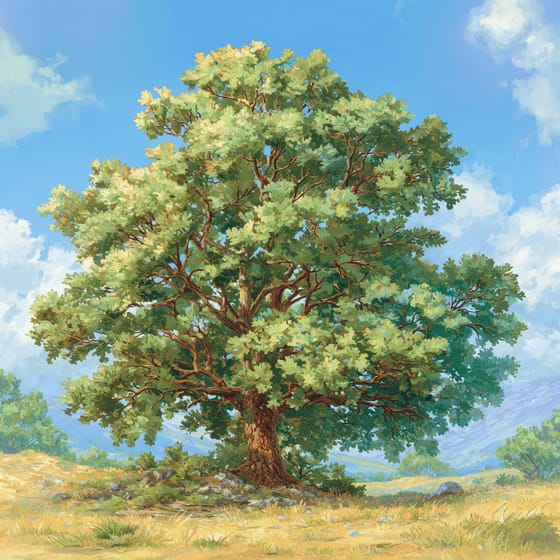
Quercus alba
Larvae of some species feed on oak tissues.
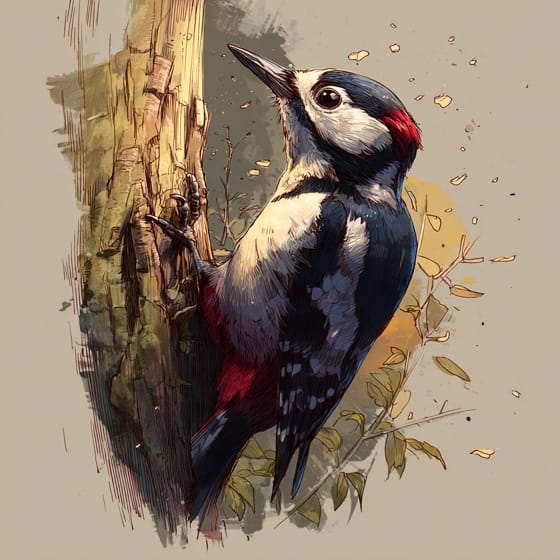
Dendrocopos major
Woodpeckers hunt Agrilus larvae under tree bark.
Formica rufa
Ants may prey on adult Agrilus beetles.
Social animals live in organized groups, cooperating for survival benefits such as foraging, defense, and raising offspring.
Colorful describes organisms or objects displaying a wide range of bright and distinct colors.
This trait characterizes organisms whose diet consists entirely or primarily of plant material.
Forest habitats are terrestrial environments dominated by dense tree cover, supporting a high diversity of plant and animal life.

Nocturnal animals are primarily active during the nighttime hours, typically resting or sleeping during the day.
Danger
1/5 · Very low
No special safety notes yet.
The easiest way to identify Agrilus is to use the Snappit nature identifier app.
6-30 mm
3-15 mm
14-56 days
Larvae munch on wood, while adult Agrilus beetles nibble on tree leaves.
Agrilus beetles are commonly found in forests and woodlands where their host trees grow.
Foraging
6
Zoom in to split clusters and explore where this object has been snapped.
Recent snaps will appear here as new observations are added.
Take the discovery with you
Snap it with Snappit to identify it, learn what makes it special, and add the discovery to your collection.








.jpg&width=800)


