.jpg&width=800)




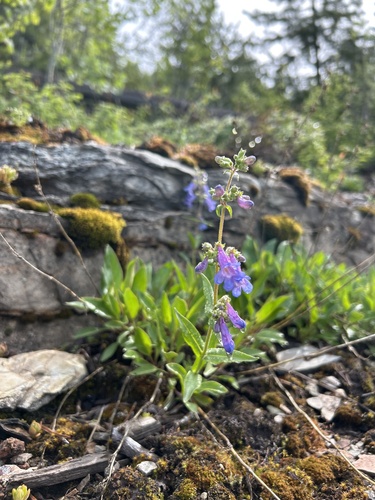
Alberta Beardtongue
Penstemon albertinus
Alberta Beardtongue is a pretty flower with bright purple blooms. It loves to grow in sunny places and can attract butterflies and bees, making gardens colorful and lively!
Habitat: Grasslands
The Alberta Beardtongue has striking tubular flowers, usually a vivid blue-violet or lavender, with two lips and a fuzzy 'tongue' inside. Its narrow, green leaves grow in clumps, creating a beautiful splash of color in rocky habitats.
Category
PlantsRarity
Common
Danger
1/5 · Very low
Snaps
1
Its 'beardtongue' is not a real tongue but a fuzzy, sterile stamen!
Over 250 different kinds of Beardtongues exist in North America!
Some bees buzz-pollinate its flowers, shaking out pollen like salt from a shaker!
This tough beauty is named after the Canadian province of Alberta.
Alberta Beardtongue has tube-shaped flowers and nectar guides that skillfully attract specific long-tongued bees and hummingbirds for pollination.
This tough plant can grow in harsh, rocky soil and high elevations, using a strong root system to anchor itself firmly.
Its unique 'beardtongue' (a sterile stamen) acts like a fuzzy landing strip and guides pollinators deep inside the flower.
Bombus bifarius
Collects nectar and pollen from flowers.
.jpg&width=800)
Selasphorus rufus
Visits flowers for sweet nectar.
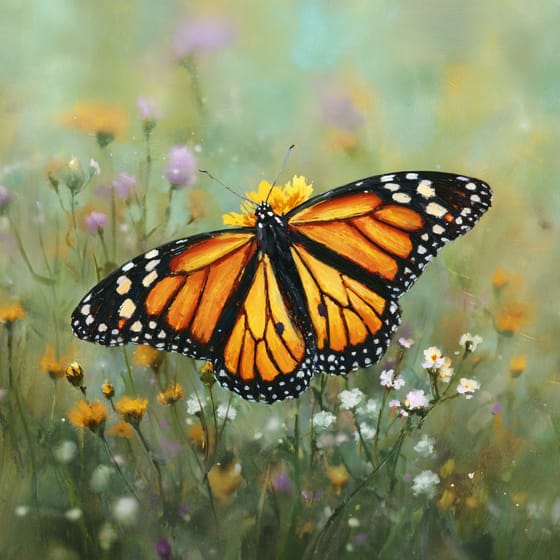
Danaus plexippus
Sips nectar, helping spread pollen.
Bell-shaped flowers possess petals fused or arranged to form a cup-like or campanulate structure resembling a bell.
Flowering plants are any plants that produce flowers as part of their reproductive cycle.
Summer blooming plants produce their flowers during the summer season, often providing vibrant color when many other plants have finished.
A tube flower has petals fused together at the base, forming a distinct tubular structure that typically holds nectar deep within.

Fragrant flowers emit a pleasant aroma, often to attract pollinators or for defense.

Colorful describes organisms or objects displaying a wide range of bright and distinct colors.

Grassland habitats are terrestrial biomes dominated by grasses and herbaceous plants, supporting a variety of grazing animals.

Describes plants that are particularly attractive and beneficial to a wide range of pollinating organisms.
No aliases listed yet.
Danger
1/5 · Very low
Always look but don't pick flowers, so everyone can enjoy them!
The easiest way to identify Alberta Beardtongue is to use the Snappit nature identifier app.
20-50 cm
15-30 cm
2-4 cm
Late spring to mid-summer
No
None
Perennial
Zoom in to split clusters and explore where this object has been snapped.
May 30, 2026
Great Northern Railway BuildingsPhoto attribution
(c) Taryn Brahmsteadt, some rights reserved (CC BY)
License: CC BY 4.0 ↗
Image may be shown cropped inside the card frame.
Take the discovery with you
Snap it with Snappit to identify it, learn what makes it special, and add the discovery to your collection.









.jpg&width=800)


_001.jpg&width=800)




