





Amazon Kingfisher
Chloroceryle amazona
The Amazon Kingfisher is a colorful bird that loves to fish! With its bright green and blue feathers, it can be found near rivers and lakes, where it dives to catch its meals.
Habitat: Wetlands
The Amazon Kingfisher has a striking iridescent green back and cap, contrasting with a clean white belly. Males boast a broad rufous-chestnut band across their breast, while females have a white breast band with green flecking. Its long, dagger-like black bill is perfectly suited for fishing.
Category
BirdsRarity
Common
Danger
1/5 · Very low
Snaps
Be the first to snap!
Both parents feed chicks up to 100 times daily, working hard to raise their young!
Kingfisher feathers shimmer green or blue, changing color as light hits them!
Kingfishers dig tunnels up to 3 feet long in riverbanks to build their cozy nests!
Their super-fast wings beat so quickly they look like a blur when they fly!
Amazon Kingfisher has special eyes that can focus perfectly in both air and water, helping them spot fish clearly.
Amazon Kingfisher can dive into water headfirst with incredible precision, creating barely a ripple to catch its prey.
Amazon Kingfisher can hover mid-air, flapping its wings rapidly, to get the perfect angle before plunging for a fish.
Mainly eats small fish, but also aquatic insects and tiny crustaceans caught with a speedy dive.

Poecilia reticulata
Small fish are a primary food source.
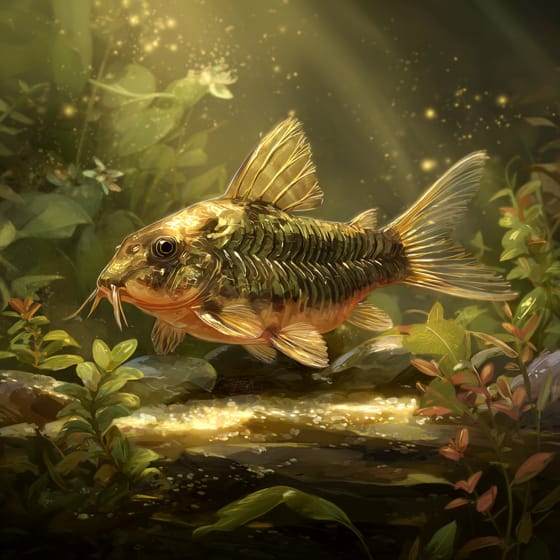
Corydoras aeneus
Kingfishers dive for these small, bottom-dwelling fish.
Boa constrictor
Snakes may prey on eggs, chicks, or even adult birds.

Spizaetus ornatus
Large raptors can occasionally prey on adult kingfishers.
Feathered describes animals, primarily birds, possessing a covering of feathers.
Solitary animals live alone for most of their lives, only interacting with others for mating or parental care.
Aerial creatures spend a significant portion of their lives airborne, utilizing flight for various activities such as hunting, migration, or nesting.
Colorful describes organisms or objects displaying a wide range of bright and distinct colors.

Piscivorous organisms are animals that primarily subsist on a diet of fish.

This habitat trait identifies species found in wetlands, which are areas of land saturated with water, either permanently or seasonally, including marshes, swamps, and bogs.

This trait identifies organisms whose diet consists entirely or primarily of animal tissue.

Diurnal animals are primarily active during daylight hours, typically resting or sleeping at night.

Freshwater habitats include non-saline aquatic environments such as rivers, lakes, ponds, and wetlands, vital for numerous species.

This trait identifies organisms that exhibit exceptional swiftness in movement for hunting, escape, or travel.
No aliases listed yet.
Danger
1/5 · Very low
Always watch birds from a distance and be quiet so you don't scare them away.
The easiest way to identify Amazon Kingfisher is to use the Snappit nature identifier app.
29-30 cm
40-45 cm
0.08-0.12 kg
5-7 years
45 km/h
Mainly eats small fish, but also aquatic insects and tiny crustaceans caught with a speedy dive.
Wetlands
Zoom in to split clusters and explore where this object has been snapped.
Recent snaps will appear here as new observations are added.
Take the discovery with you
Snap it with Snappit to identify it, learn what makes it special, and add the discovery to your collection.





.jpg&width=800)







