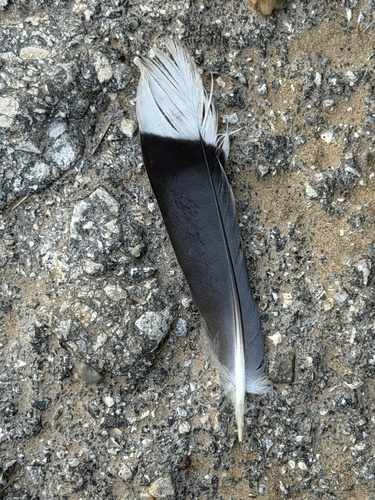
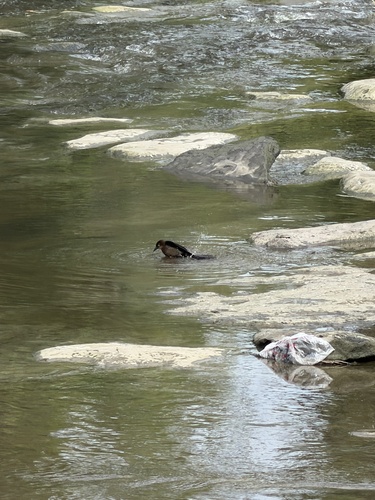
Rock Pigeon

Fort McIntosh is a captivating historic district offering a profound journey through Texas military history.
Fort McIntosh is a captivating historic district offering a profound journey through Texas military history. Established in 1849, this former U.S. Army post played a crucial role in guarding the Rio Grande frontier for nearly a century, witnessing pivotal moments from the U.S.-Mexican War to both World Wars. Today, its preserved grounds and architectural treasures are gracefully integrated into the campus of Laredo Community College, creating a unique blend of education and heritage that invites exploration.
Visitors can wander amidst numerous surviving structures, including the stately Officers' Row, historic barracks, a post hospital, and a chapel, many showcasing charming Late Victorian architectural details. These buildings, now repurposed for educational use, stand as tangible links to the past. The original earthen walls of the fort and a distinctive sandstone wall, constructed by the WPA, further delineate the historic district, offering scenic points of interest. Additionally, the Lamar Bruni Vergara Environmental Science Center on campus houses a diverse collection of live local animals in attractive enclosures and aquariums, providing a unique educational complement to the fort's military legacy.
Exploring Fort McIntosh provides a memorable experience for anyone interested in the confluence of military strategy, architectural heritage, and natural science along the Texas border. It's a place where history comes alive through well-preserved structures and informative markers, set within a vibrant academic environment, offering both reflection and discovery. The serene paths and rich historical narrative make it a truly special destination in Laredo. Be ready to snap and learn! Get the Snappit app to identify any nature species you find here.
Fort McIntosh was established on March 3, 1849, originally named Camp Crawford, by the 1st U.S. Infantry to protect the Texas frontier at a strategic crossing of the Rio Grande. It was renamed Fort McIntosh in 1850 in honor of Lieutenant Colonel James Simmons McIntosh, a hero of the Mexican-American War. The fort was a vital link in the defense system along the Rio Grande, serving as a base for troops during the Civil War, although it was abandoned by Federal troops at the outset and later reoccupied by U.S. forces, including African-American units like the "Buffalo Soldiers." Prominent officers such as Philip H. Sheridan were stationed there in its early years. The fort continued to serve through the Mexican Revolution and both World Wars, acting as a training base for thousands of recruits. After nearly a century of continuous service, Fort McIntosh was officially deactivated in 1946 or 1947. The land and its surviving buildings were subsequently transferred to the local school district, becoming the main campus for Laredo Community College (formerly Laredo Junior College), thus preserving its significant historical architecture for future generations.
Take a self-guided walking tour to appreciate the architecture and historical significance of the buildings. Read the informational plaques to delve deeper into the fort's role in American history. Explore the Environmental Science Center for an educational encounter with local wildlife.
Summers can be extremely hot; ensure hydration and sun protection if visiting during this time. No specific seasonal events are consistently mentioned, but checking the Laredo Community College calendar might reveal public events.
As part of a college campus, Fort McIntosh generally features paved pathways and accessible routes around its buildings and grounds, making it largely wheelchair-friendly.
Marvel at the preserved Late Victorian architecture of the former Officers' Row, Barracks (including an 1880s brick barracks), Post Hospital, and Chapel, which now serve as college facilities.
Observe remnants of the original earthen walls and the distinctive sandstone wall built by WPA laborers, which defines the historic district.
Engage with the numerous Texas Historical Markers scattered throughout the site, providing rich context and stories of the fort's past.
Discover a variety of live animals housed in attractive enclosures and aquariums, representing the diverse flora and fauna of the Rio Grande Watershed.
Each card links to a full Explore page with photos, traits, and fun facts.
Start with the big picture, then zoom in to explore individual wildlife observations around this place.
Wear comfortable shoes
** The grounds are expansive, and you'll be doing a fair amount of walking to see all the historical sites.
Bring a camera
The historic structures and scenic campus offer excellent photo opportunities.
Stay hydrated
Especially during warmer months, carry water to combat the Texas heat.
Look for historical markers
These plaques provide invaluable context and stories about the fort's significance.
Check Laredo Community College's website: For any potential special events, tours, or updated information that might enhance your visit.
Parking
Ample parking should be available on the Laredo Community College campus where the historic district is located.
May 23, 2026
Photo attribution
(c) Ian McFaul, some rights reserved (CC BY)
License: CC BY 4.0 ↗
Image may be shown cropped inside the card frame.
May 23, 2026
Photo attribution
(c) Ian McFaul, some rights reserved (CC BY)
License: CC BY 4.0 ↗
Image may be shown cropped inside the card frame.
May 23, 2026
Photo attribution
(c) Ian McFaul, some rights reserved (CC BY)
License: CC BY 4.0 ↗
Image may be shown cropped inside the card frame.
May 23, 2026
Photo attribution
(c) Ian McFaul, some rights reserved (CC BY)
License: CC BY 4.0 ↗
Image may be shown cropped inside the card frame.
May 23, 2026
Photo attribution
(c) Ian McFaul, some rights reserved (CC BY)
License: CC BY 4.0 ↗
Image may be shown cropped inside the card frame.

Maryland, US
You might spot White-Tailed Deer and Eastern Gray Squirrel.
View guide →
.jpg)
District of Columbia, US
You might spot Eastern Gray Squirrel, Duck, and House Sparrow.
View guide →

Illinois, US
You might spot American Robin, Canada Goose, and House Sparrow.
View guide →

Virginia, US
You might spot Spotted Lanternfly and Northern Cardinal.
View guide →
Take the discovery with you
Identify the wildlife you spot, learn as you go, and keep a collection of the adventure.