_ab._caeruleopunctata.jpg&width=800)





American Copper
Lycaena hypophlaeas
The American Copper is a small butterfly with beautiful orange and brown wings. It loves to flutter around flowers and is often seen in sunny places.
Habitat: Fields and gardens
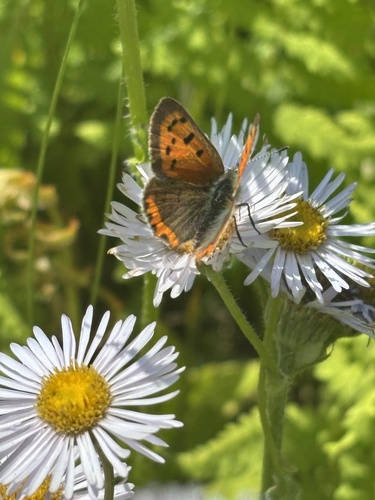
The American Copper is a small, vibrant butterfly with iridescent orange-copper forewings and duller brown hindwings. Its forewings often feature distinct dark spots, while the hindwings display a jagged orange band along the edge. The paler underside, with clear dark spots, helps distinguish it from similar species.
Category
InsectsRarity
Common
Danger
1/5 · Very low
Snaps
24
Did you know the American Copper can have several generations of butterflies in just one summer?
Its tiny wings shimmer with bright orange and bronze colors, just like a shiny new penny!
The caterpillars are masters of disguise, blending perfectly with the green leaves they munch on!
They love to sunbathe, often resting with their wings wide open to soak up warmth!
American Copper has pale, spotted undersides that help them blend into dried leaves or grass when at rest.
American Copper can drink flower nectar using its long proboscis to gain energy for flying and laying eggs.
American Copper caterpillars produce a sweet liquid that attracts ants, which can protect them from predators.
American Copper can fly in quick, darting movements to rapidly escape from birds or other predators.
This butterfly sips sweet nectar from flowers, while its caterpillars munch on sorrel leaves!
Age differences: Larvae eat sorrel leaves, while adults drink flower nectar.
Rumex acetosella
Caterpillars feed exclusively on its leaves.
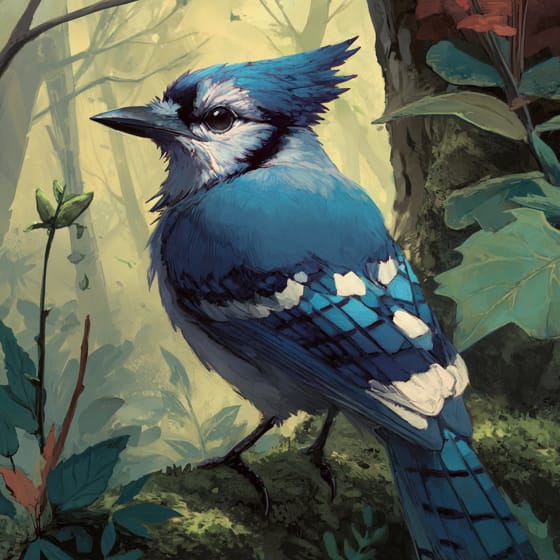
Cyanocitta cristata
Birds like jays prey on adult butterflies.
Achillea millefolium
Adults visit flowers for nectar, aiding pollination.
Formica subsericea
Ants protect caterpillars in exchange for honeydew.
Solitary animals live alone for most of their lives, only interacting with others for mating or parental care.
Colorful describes organisms or objects displaying a wide range of bright and distinct colors.
Grassland habitats are terrestrial biomes dominated by grasses and herbaceous plants, supporting a variety of grazing animals.
This trait characterizes organisms whose diet consists entirely or primarily of plant material.

Describes plants that are particularly attractive and beneficial to a wide range of pollinating organisms.

Diurnal animals are primarily active during daylight hours, typically resting or sleeping at night.

This habitat trait indicates species that can coexist with humans in urban and suburban environments, utilizing man-made structures and green spaces.

Describes organisms that transfer pollen, enabling the fertilization and reproduction of plants.
No aliases listed yet.
Danger
1/5 · Very low
Butterflies are gentle and fun to watch, but it's best to observe them without touching.
The easiest way to identify American Copper is to use the Snappit nature identifier app.
20-30 mm
10-15 mm
7-14 days
This butterfly sips sweet nectar from flowers, while its caterpillars munch on sorrel leaves!
Fields and gardens
Foraging
6
Zoom in to split clusters and explore where this object has been snapped.
Jun 4, 2026
Brattleboro Downtown Historic DistrictPhoto attribution
(c) kevinhemeon, some rights reserved (CC BY)
License: CC BY 4.0 ↗
Image may be shown cropped inside the card frame.

Pennsylvania, US
You might spot Mountain Laurel, Ghost Pipe, and Sweetfern.
View guide →

Vermont, US
You might spot Asian Bittersweet, Alder Buckthorn, and Eastern Newt.
View guide →

New Hampshire, US
You might spot Eastern Red-Backed Salamander and Eastern Newt.
View guide →

Pennsylvania, US
You might spot Downy Rattlesnake Plantain and Striped Wintergreen.
View guide →

Maine, US
You might spot Pink Lady's Slipper, Wood Lily, and Great Blue Heron.
View guide →

Massachusetts, US
You might spot Eastern White Pine, Multiflora Rose, and Asian Bittersweet.
View guide →
Take the discovery with you
Snap it with Snappit to identify it, learn what makes it special, and add the discovery to your collection.






.jpg&width=800)



