





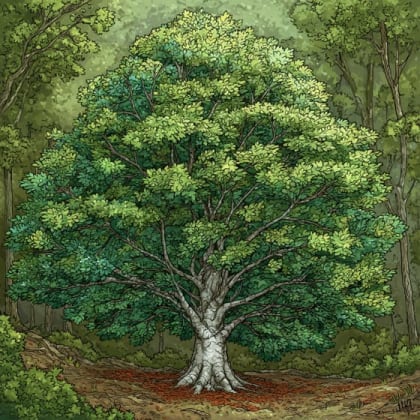
Eastern White Pine

Step into history in Amesbury's heart, where industrial innovation shaped a vibrant New England community.
Step into history in Amesbury's heart, where industrial innovation shaped a vibrant New England community. This historic district, nestled along the Powwow River, offers a unique blend of preserved 19th-century mill architecture and a revitalized downtown. It stands as a testament to Amesbury's significant role in early American textile and carriage manufacturing, inviting visitors to explore its rich past through charming streets and repurposed historic buildings.
The district's character is defined by its impressive brick mill buildings, many of which once powered the burgeoning textile industry between 1800 and 1875. Notable structures include Salisbury Mill #4, distinguished by its Greek Revival style, and the site of the former Mill 8, which played a crucial role in producing textiles during the Civil War. Beyond the mills, visitors can stroll along the Amesbury Riverwalk, offering picturesque views of waterfalls and the Powwow River, or delve deeper into local history at the Amesbury Carriage Museum and Lowell's Boat Shop, the oldest continuously operating boat shop in the United States.
A visit to the Amesbury and Salisbury Mills Village Historic District provides an engaging glimpse into a pivotal era of American industry and community development. Today, many of the historic mill spaces have been thoughtfully transformed into eclectic shops, restaurants, and artist studios, creating a dynamic environment where history seamlessly blends with modern life. It's a memorable destination for those seeking cultural immersion, architectural appreciation, and a lively small-town atmosphere. Be ready to snap and learn! Get the Snappit app to identify any nature species you find here.
The area that comprises the Amesbury and Salisbury Mills Village Historic District has a long and industrious past. Initially settled in 1642 as part of Salisbury, it was officially incorporated as the township of Amesbury in 1668. Throughout the 18th and 19th centuries, Amesbury flourished as a center for shipbuilding, iron production, nail manufacturing, and the renowned carriage industry. The district experienced a boom in textile production after 1812, driven by the waterpower of the Powwow River. This industrial growth peaked in the 1870s, with nearly 900 people, roughly 10% of Amesbury's population at the time, employed in the mills. The district was officially recognized for its historical significance when it was listed on the National Register of Historic Places in 1985, preserving its architectural and industrial heritage. While textile manufacturing declined by the early 20th century, the historic buildings found new life, adapting to various industries, including automobile body manufacturing, before their modern-day revitalization.
Walk through the downtown area, explore the unique shops and restaurants in repurposed mill buildings, take a self-guided tour of historical markers, and enjoy the scenic Riverwalk. You can also visit individual museums and historic homes.
Summer offers outdoor performances in the Millyard, and public access to Lake Gardner for swimming and boating. Amesbury Days in June provides community events and festivities. Fall foliage would add to the scenic beauty.
The Amesbury Riverwalk is a paved path, suitable for pedestrians and cyclists. For specific accessibility details regarding individual historic buildings or museums, it is recommended to check with each venue directly.
The central hub with beautifully preserved brick mill buildings now housing businesses.
A scenic paved path along the Powwow River, offering views of waterfalls and historic mills.
Explore the oldest continuously operating boat shop in the U.S. and its traditional wooden dory craftsmanship.
Delve into the town's rich industrial past, particularly its carriage and automobile body manufacturing heritage.
Each card links to a full Explore page with photos, traits, and fun facts.
Start with the big picture, then zoom in to explore individual wildlife observations around this place.
Wear comfortable walking shoes to explore the downtown area, mill sites, and the Riverwalk.
Check the websites or call ahead for current operating hours of specific museums like Lowell's Boat Shop or the Amesbury Carriage Museum.
Allow time to wander through the repurposed mill buildings, which now house unique shops, cafes, and restaurants.
Don't miss a stroll along the Amesbury Riverwalk for picturesque views and a sense of the Powwow River's historical importance.
Consider visiting during Amesbury Days for a chance to experience local festivities and community spirit.
Look for interpretive signs or historical markers throughout the district to learn more about individual buildings and their significance.
Jun 6, 2026
Photo attribution
(c) The Wrong Industry, some rights reserved (CC BY)
License: CC BY 4.0 ↗
Image may be shown cropped inside the card frame.
Jun 5, 2026
Jun 5, 2026
Jun 5, 2026
Jun 5, 2026

Maryland, US
You might spot White-Tailed Deer and Eastern Gray Squirrel.
View guide →
.jpg)
District of Columbia, US
You might spot Eastern Gray Squirrel, Duck, and House Sparrow.
View guide →

Illinois, US
You might spot American Robin, Canada Goose, and House Sparrow.
View guide →

Virginia, US
You might spot Spotted Lanternfly and Northern Cardinal.
View guide →
Take the discovery with you
Identify the wildlife you spot, learn as you go, and keep a collection of the adventure.















_ab._caeruleopunctata.jpg&width=800)

