





Renia Moths
renia
Renia moths are beautiful insects that come in many colors and patterns! They are nocturnal, which means they come out at night when it’s dark and quiet.
Habitat: Renia moths live in gardens, forests, and meadows.
The Renia Moths has a robust, fuzzy body, often mottled in shades of brown, grey, or yellowish-brown. Their wings feature intricate patterns that resemble dried leaves or bark, providing excellent camouflage. A distinctive feature is their long, protruding labial palps, giving them a 'snout-like' appearance.
Category
InsectsRarity
Common
Danger
0/5 · No known danger
Snaps
Be the first to snap!
Many Renia species spend their caterpillar stage munching on dead leaves!
Some Renia moths have unique "snouts" called palps that are longer than their heads!
Their fuzzy bodies can collect pollen, making them secret nocturnal plant helpers!
These clever moths often perch head-down on tree trunks to look like broken twigs!
Renia Moths can blend seamlessly with tree bark and dried leaves because of their intricate wing patterns that helps them avoid predators.
Renia Moths has extremely long, upturned labial palps that helps them detect odors and vibrations in their environment.
Renia Moths can hear high-frequency sounds, like bat echolocation, because of special "ears" that helps them detect danger.
Adult Renia moths often sip nectar from flowers, while their caterpillars munch on decaying leaves and detritus.
Age differences: Larvae feed primarily on decaying leaves and plant detritus, while adults usually sip nectar from flowers.
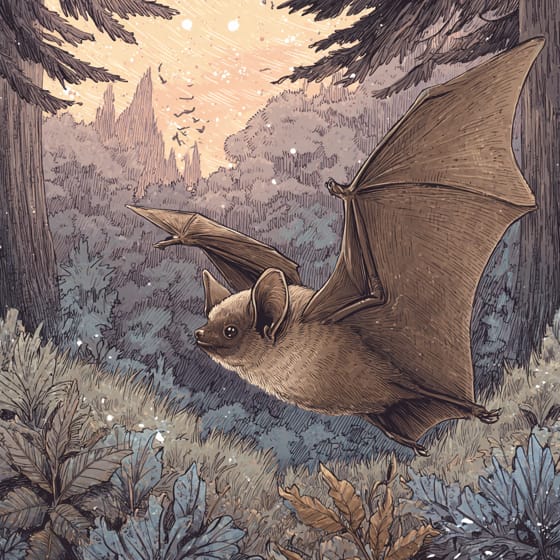
Myotis lucifugus
Moths are a key food source for nocturnal bats.
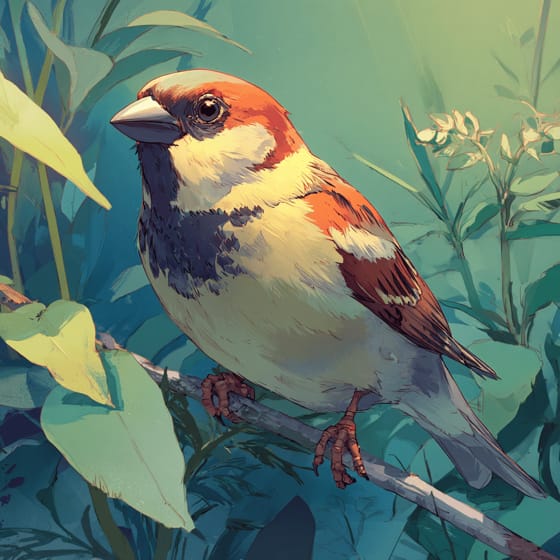
Passer domesticus
Birds prey on adult moths and their caterpillars.
Solidago canadensis
Adult moths visit flowers, transferring pollen.
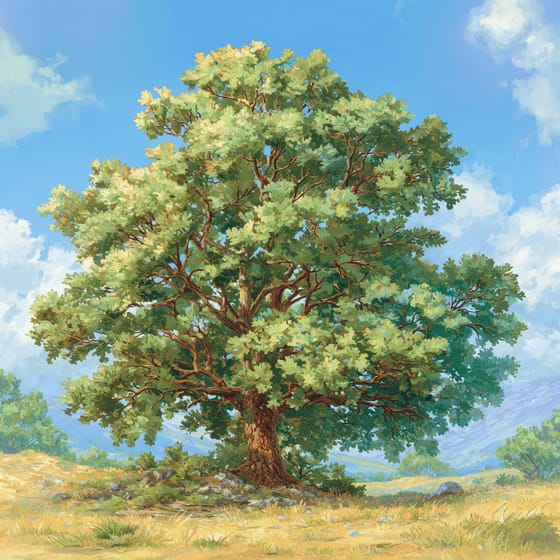
Quercus alba
Larvae feed on oak leaves, supporting their development.
Solitary animals live alone for most of their lives, only interacting with others for mating or parental care.
Camouflaged describes organisms that possess coloring or patterns that allow them to blend into their environment.
Colorful describes organisms or objects displaying a wide range of bright and distinct colors.
Nocturnal animals are primarily active during the nighttime hours, typically resting or sleeping during the day.

Describes organisms that transfer pollen, enabling the fertilization and reproduction of plants.
Danger
0/5 · No known danger
No special safety notes yet.
The easiest way to identify Renia Moths is to use the Snappit nature identifier app.
25-40 mm
15-25 mm
7-14 days
12 km/h
Adult Renia moths often sip nectar from flowers, while their caterpillars munch on decaying leaves and detritus.
Renia moths live in gardens, forests, and meadows.
Foraging
Zoom in to split clusters and explore where this object has been snapped.
Recent snaps will appear here as new observations are added.
Take the discovery with you
Snap it with Snappit to identify it, learn what makes it special, and add the discovery to your collection.









.jpg&width=800)



