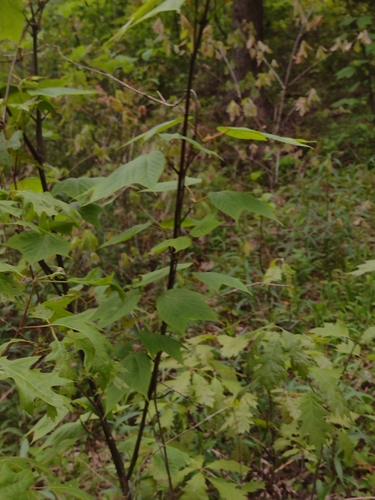
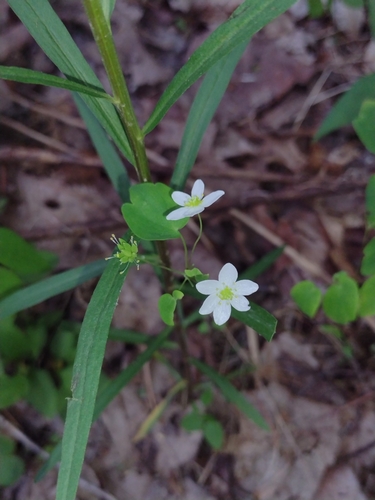
Mountain Laurel

Bald Eagle State Forest is a sprawling natural sanctuary offering diverse landscapes and abundant outdoor adventure.
Bald Eagle State Forest is a sprawling natural sanctuary offering diverse landscapes and abundant outdoor adventure. Named after the revered Native American Chief Bald Eagle (Woapalanne), this nearly 200,000-acre wilderness spans the high, sharp sandstone ridges and deep valleys of central Pennsylvania, boasting miles of pristine mountain streams and tracts of ancient old-growth forests. It represents the quintessential Pennsylvania wild, inviting exploration and discovery across its varied terrain, from the limestone-rich Susquehanna Valley to the Allegheny Mountains.
Visitors can immerse themselves in a rich tapestry of natural beauty, from the towering hemlocks and white pines of the Snyder-Middleswarth Natural Area to the scenic overlooks like Bells Majestic View, offering breathtaking panoramas of the ridge-and-valley landscape. The forest is a haven for wildlife, where observant eyes might spot white-tailed deer, black bears, and bobcats, while birdwatchers delight in sightings of majestic bald eagles, osprey, and a vibrant array of songbirds like warblers and scarlet tanagers. The renowned Penns Creek, a nationally recognized trout stream, adds to the allure for anglers and nature enthusiasts alike.
Whether seeking serene solitude on a backcountry trail, the thrill of mountain biking, or the simple joy of a scenic drive through flaming fall foliage, Bald Eagle State Forest provides an unforgettable escape. Its extensive network of over 300 miles of trails, coupled with opportunities for camping, fishing, hunting, and wildlife photography, makes it a cherished destination for adventurers, families, and anyone yearning to connect with Pennsylvania's natural heritage. The forest's commitment to conserving its wild character ensures a memorable experience for all who visit. Don't forget to bring the Snappit nature identification app along to scan local species.
Bald Eagle State Forest was established as a direct response to the widespread deforestation that devastated Pennsylvania's landscape during the mid-to-late 19th century. Conservationists, notably Dr. Joseph Rothrock, became alarmed by the clear-cutting practices of lumber and iron companies, which left behind barren lands prone to wildfires and hindered natural forest regeneration. In 1895, Dr. Rothrock was appointed the first commissioner of the Pennsylvania Department of Forests and Waters, laying the groundwork for conservation efforts. This led to legislation in 1897 authorizing the state to purchase "unseated lands for forest reservations," thus beginning the state forest system. Much of the land now comprising Bald Eagle State Forest was acquired from logging companies eager to sell after depleting the natural resources, with some tracts originally assembled from land grants given to Revolutionary War soldiers.
Hiking, mountain biking, horseback riding, ATV riding, fishing, hunting, camping, snowmobiling, cross-country skiing, picnicking, scenic drives, birdwatching, and wildlife viewing. Visit the many natural areas and the five state parks (Poe Valley, Poe Paddy, R. B. Winter, Reeds Gap, Sand Bridge) located within or adjacent to the forest.
Spring: Wildflowers bloom, migrating birds return, excellent fishing in April and May.
Summer: Popular for water activities at Bald Eagle State Park's Foster Joseph Sayers Reservoir (within the forest); can be crowded. Wildlife is active, including monarch butterflies in meadows.
Fall: Peak fall foliage, migrating birds, ideal for hiking and photography.
Winter: Opportunities for cross-country skiing, snowshoeing, and snowmobiling on designated trails when conditions allow. Park visitation is lightest, offering solitude.
While the forest primarily offers dispersed recreation, State Forest Picnic Areas provide amenities like pavilions, picnic tables, grills, and restrooms. Trailheads and parking are available throughout the forest. Designated roadside campsites are basic, offering a picnic table and fire ring but no developed facilities.
Explore a remarkable tract of old-growth hemlock and white pine, a designated National Natural Landmark.
Discover stunning panoramic views from overlooks like Bells Majestic View, Chocolate Drop Vista, Jones Mountain Road Vista, and Penn's View.
Walk or bike through this historic, nearly 300-foot-long railroad tunnel along Penn's Creek Path.
Experience this nationally recognized trout stream, ideal for fishing and enjoying its wild character.
Each card links to a full Explore page with photos, traits, and fun facts.
Start with the big picture, then zoom in to explore individual wildlife observations around this place.
Check trail conditions
Before heading out, especially for hiking or motorized activities, check the Pennsylvania DCNR website for current trail conditions and any closures.
Bring a map
While trails are often marked, carrying a detailed map (available at the district office or online) and a compass/GPS device is highly recommended due to the vastness of the forest.
Pack essentials
Always carry enough water, snacks, appropriate layers of clothing, sun protection, and insect repellent.
Practice Leave No Trace
Help preserve the forest's beauty by packing out all trash and respecting wildlife and plant life.
Be wildlife aware
While spotting wildlife is exciting, maintain a respectful distance and never feed animals. Be aware of black bears and take appropriate precautions (e.g., bear-proof food storage when camping).
Visit a scenic vista
Make time to visit one of the 26 designated vistas, particularly during fall, for breathtaking panoramic views and photography opportunities.
May 27, 2026
Photo attribution
(c) Cecil Smith, some rights reserved (CC BY)
License: CC BY 4.0 ↗
Image may be shown cropped inside the card frame.
May 27, 2026
Photo attribution
(c) Cecil Smith, some rights reserved (CC BY)
License: CC BY 4.0 ↗
Image may be shown cropped inside the card frame.
May 27, 2026
Photo attribution
(c) Cecil Smith, some rights reserved (CC BY)
License: CC BY 4.0 ↗
Image may be shown cropped inside the card frame.
Jun 19, 2026
Jun 19, 2026

Maryland, US
You might spot White-Tailed Deer and Eastern Gray Squirrel.
View guide →
.jpg)
District of Columbia, US
You might spot Eastern Gray Squirrel, Duck, and House Sparrow.
View guide →

Illinois, US
You might spot American Robin, Canada Goose, and House Sparrow.
View guide →

Virginia, US
You might spot Spotted Lanternfly and Northern Cardinal.
View guide →
Take the discovery with you
Identify the wildlife you spot, learn as you go, and keep a collection of the adventure.