





American Emerald
cordulia shurtleffii
The American Emerald is a beautiful dragonfly with shiny green and blue colors! It zooms around ponds and streams, catching other insects for lunch.
Habitat: Freshwater ponds, lakes, and streams.
The American Emerald has a metallic emerald-green body and brilliant green eyes, making it quite striking. Its dark thorax and abdomen contrast with its clear, membranous wings, often with a subtle amber tint at the base. This gives it a distinctive jewel-like appearance.
Category
InsectsRarity
Common
Danger
0/5 · No known danger
Snaps
4
Adult dragonflies can hover perfectly still in the air, like tiny helicopters!
Baby American Emeralds, called nymphs, live underwater for years!
Its massive eyes take up most of an American Emerald's head!
Their spiky legs form a basket to scoop flying insects from the air!
American Emerald has massive compound eyes that help them see almost 360 degrees for hunting and defense.
American Emerald nymphs breathe underwater with gills, using an extendable jaw to ambush aquatic prey.
American Emerald can fly incredibly fast and turn sharply, helping them chase prey and escape from danger.
A fierce insectivore, it preys on many smaller flying insects, keeping their numbers in check.
Age differences: Nymphs eat aquatic insects like mosquito larvae; adults hunt flying insects.
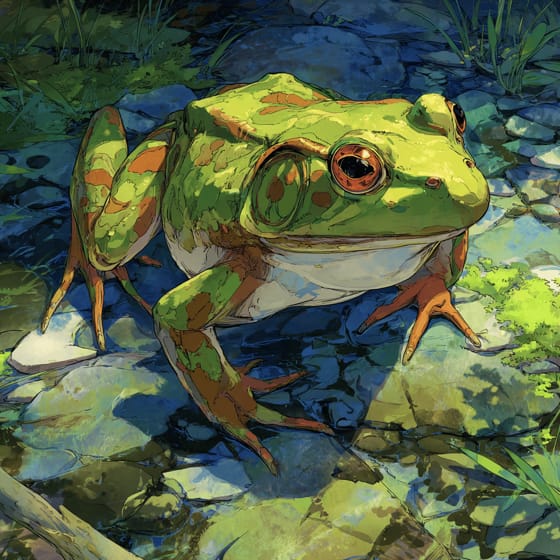
Rana catesbeiana
Bullfrogs often prey on dragonfly nymphs living in water.
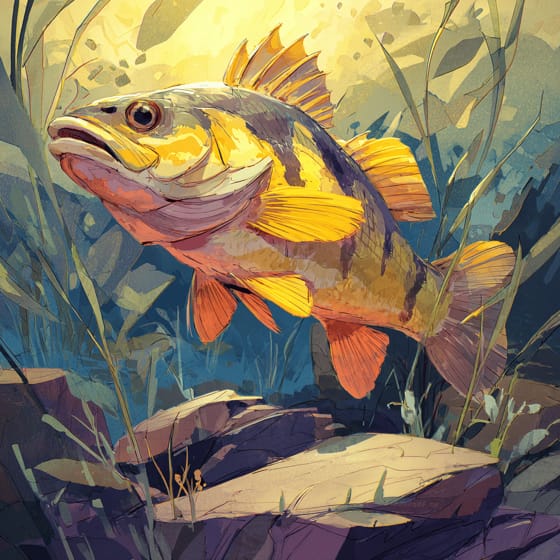
Perca flavescens
Fish like yellow perch commonly eat American Emerald nymphs.
Aedes aegypti
Adult American Emeralds hunt and eat adult mosquitoes.
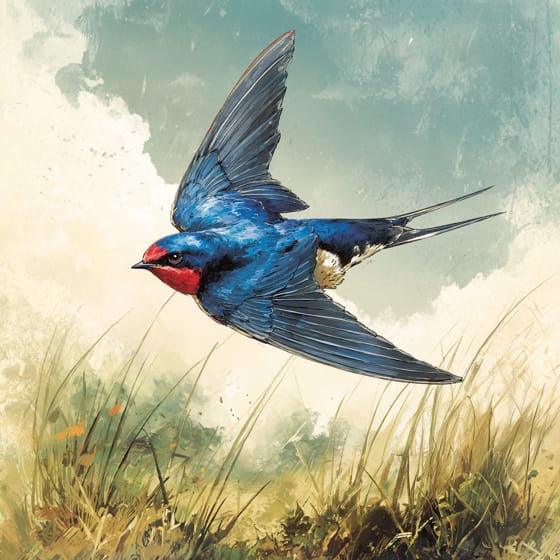
Hirundo rustica
Barn Swallows, swift birds, may catch adult dragonflies in flight.
Solitary animals live alone for most of their lives, only interacting with others for mating or parental care.
Colorful describes organisms or objects displaying a wide range of bright and distinct colors.
This trait identifies organisms whose diet consists entirely or primarily of animal tissue.
Diurnal animals are primarily active during daylight hours, typically resting or sleeping at night.

Aquatic habitats encompass environments where organisms live predominantly in water, including oceans, rivers, lakes, and wetlands.
Danger
0/5 · No known danger
No special safety notes yet.
The easiest way to identify American Emerald is to use the Snappit nature identifier app.
70-85 mm
45-55 mm
21-42 days
48 km/h
A fierce insectivore, it preys on many smaller flying insects, keeping their numbers in check.
Freshwater ponds, lakes, and streams.
Pursuit
Zoom in to split clusters and explore where this object has been snapped.
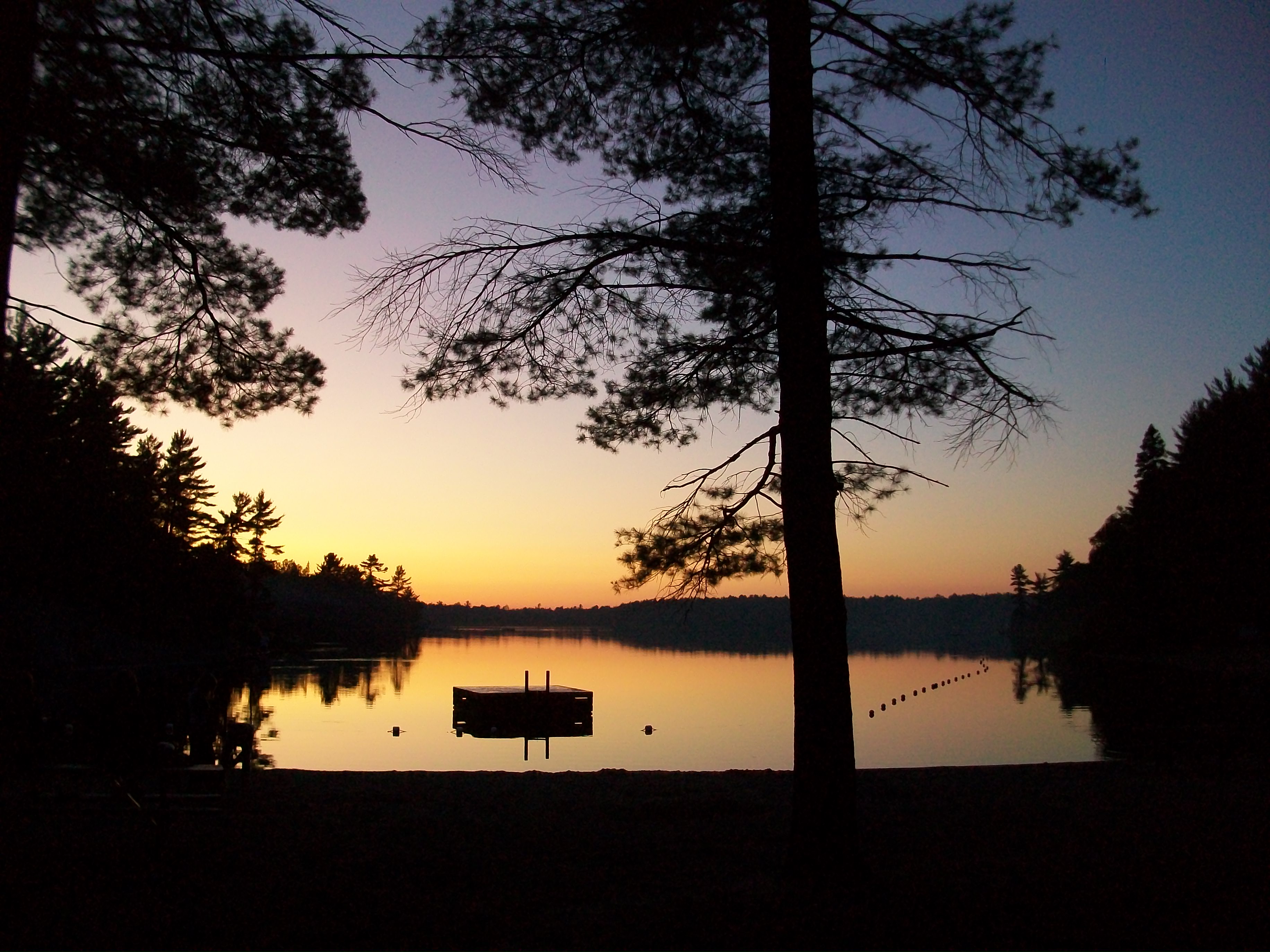
Ontario, CA
You might spot Painted Turtle, Common Watersnake, and Pickerelweed.
View guide →

West Virginia, US
You might spot Eastern Red-Backed Salamander and Wehrle's Salamander.
View guide →

Michigan, US
You might spot Yellow-Rumped Warbler, Canadian Bunchberry, and Moose.
View guide →
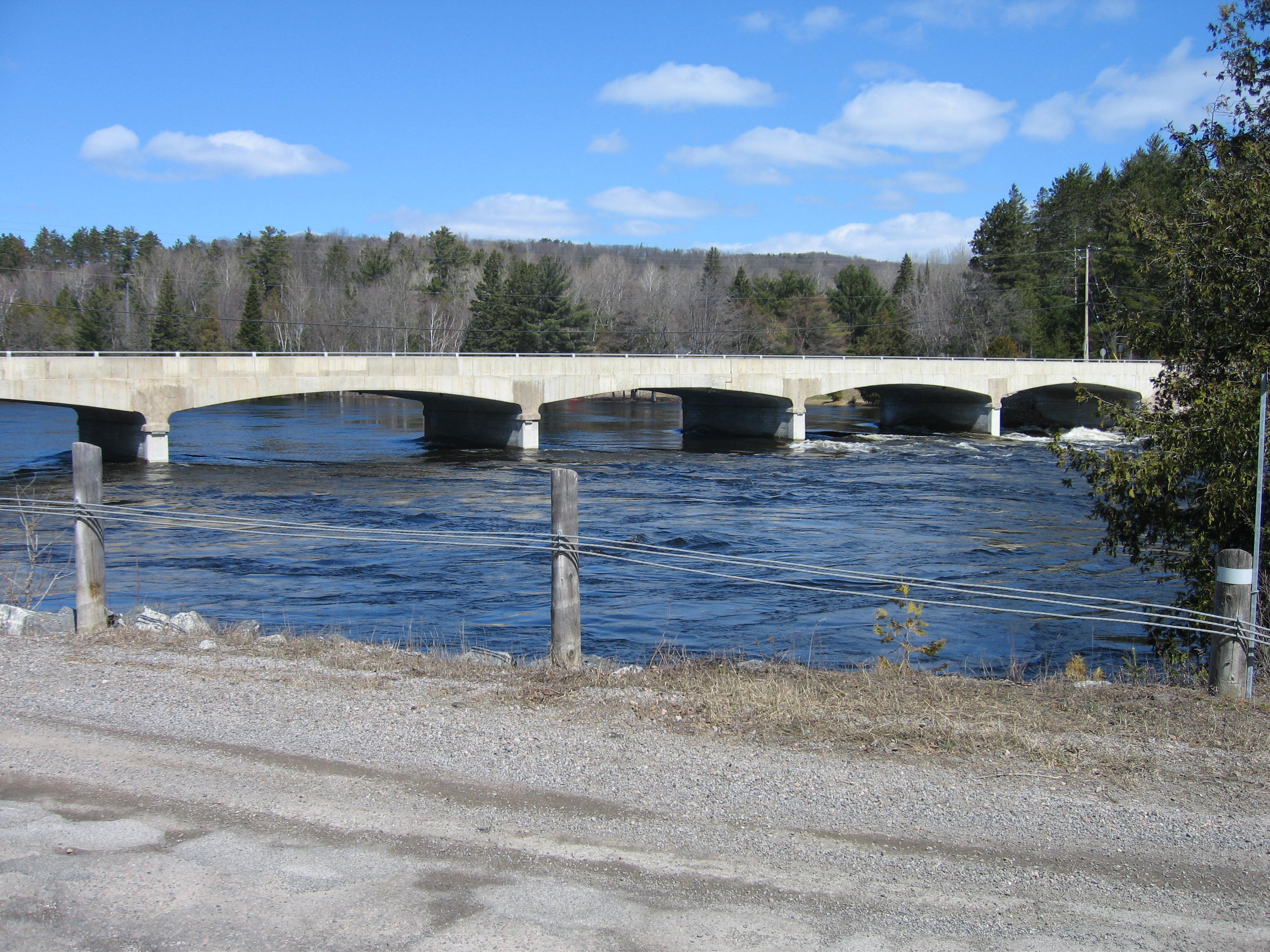
Ontario, CA
You might spot Cardinal Flower, Canadian Bunchberry, and Twinflower.
View guide →
Take the discovery with you
Snap it with Snappit to identify it, learn what makes it special, and add the discovery to your collection.








.jpg&width=800)



