



Moose

Discover the serene beauty and rich history of Tobin Harbor Historic District.
Discover the serene beauty and rich history of Tobin Harbor Historic District. This captivating area, nestled within Isle Royale National Park in Michigan, offers a unique window into early 20th-century island life and tourism. Far from the hustle and bustle of modern life, Tobin Harbor preserves a collection of rustic private camps and a fishery, thoughtfully integrated into the pristine wilderness of Lake Superior. It's a place where history and nature coalesce, inviting visitors to step back in time and experience the tranquil allure of a bygone era.
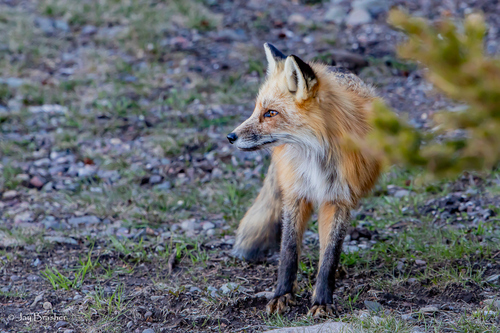
Visitors to Tobin Harbor can explore well-preserved historic structures, including charming cabins, guest houses, and the remnants of a historic fishery, many still retaining their original outbuildings and character. The Tobin Harbor Trail provides an accessible path through the boreal forest, offering glimpses of the scenic harbor and opportunities to spot the island's iconic wildlife, such as moose, gray wolves, and red foxes. Paddlers can glide through the calm waters of the harbor, encountering common loons nesting among the numerous small islands.
A visit to Tobin Harbor Historic District is an unforgettable journey into a protected wilderness where the stories of early resort communities and commercial fishing families are etched into the landscape. It’s an ideal destination for those seeking solitude, historical insights, and an intimate connection with the untouched natural beauty of Isle Royale National Park, offering a truly memorable and reflective experience. Eager to name that creature? Identify any animal you find during your visit using the Snappit app.
The history of Tobin Harbor dates back to the late 1800s when steamship companies began advertising Isle Royale as a tourist destination. Around 1900, fisherman Gus Mattson started boarding guests at his fishing station on Minong Island within Tobin Harbor, marking the beginning of its resort era. This initial venture evolved into the Tobin's Harbor Summer Resort, later known as the "Minong Lodge," and attracted other entrepreneurs to establish their own camps and resorts, leading to a flourishing summer community between 1900 and 1939. However, the advent of the automobile led to a decline in steamship travel, making the remote island harder to access and impacting tourism. Local resort owners subsequently advocated for the creation of a national park, hoping to revive visitor numbers. In 1936, the federal government began acquiring private properties on Isle Royale to establish the national park. While many buildings were eventually removed or deteriorated, several of these historic camps have been maintained by descendants of the original owners under life leases, preserving a tangible link to Tobin Harbor's past. The Tobin Harbor Historic District was officially recognized for its historical significance and listed on the National Register of Historic Places in 2019.
Hike portions of the Tobin Harbor Trail, potentially connecting to Lookout Louise for panoramic views or Mount Franklin.
* Rent a kayak or canoe from Rock Harbor Marina to explore the islands and coves of Tobin Harbor.
* Look for historical markers or interpretive signs detailing the stories of the early resort families and the fishery.
* Engage in wildlife photography, focusing on both the abundant birdlife and larger mammals.
The park closes from November 1 to April 15 due to harsh winter conditions.
Common loons nest in Tobin Harbor from early spring through late July; maintain a respectful distance to avoid disturbance.
Summer months can bring mosquitoes, black flies, and horse flies; be prepared with insect repellent.
Moose are often seen near inland lakes and beaver ponds during summer months, where they cool down and feed on aquatic vegetation.
The Tobin Harbor Trail is described as having a smooth, gentle grade in some sections, but it is not paved and can have rocks and roots in others. As a remote island wilderness park, overall accessibility for visitors with mobility impairments is limited. Access to Isle Royale is via ferry or seaplane.
Explore the rustic architecture of the Mattson Fishery structures, Snell Camp, and Edwards Camp, which offer insights into early 20th-century island life and resort tourism.
Hike this scenic, relatively easy trail that connects to other major routes like the Mount Franklin Trail, offering peaceful views of the harbor and boreal forest.
Canoe or kayak through the calm waters and numerous small islands, ideal for birdwatching, particularly for common loons.
Keep an eye out for iconic Isle Royale wildlife such as moose, gray wolves, red foxes, and beavers.
Each card links to a full Explore page with photos, traits, and fun facts.
Start with the big picture, then zoom in to explore individual wildlife observations around this place.
Plan your transportation to Isle Royale well in advance: Ferries and seaplanes to Isle Royale National Park have limited schedules and capacity, especially during peak season. Book your passage early.
Rent a canoe or kayak
Exploring Tobin Harbor by water offers the best perspective of the historic camps and provides excellent opportunities for wildlife viewing, particularly loons and other waterfowl. Rentals are available at Rock Harbor Marina.
Pack for insects
During the warmer months, mosquitoes, black flies, and horse flies can be prevalent. Bring effective insect repellent, and consider a head net for comfort.
Respect wildlife and historic properties: Maintain a safe distance from all wildlife, especially nesting birds (loons) and large animals like moose. Be mindful that some historic camps are still privately used under life leases.
Carry plenty of water and snacks
While you can access facilities at Rock Harbor, exploring the Tobin Harbor area means you'll be in a more remote setting.
Wear appropriate footwear
Even "easy" trails like portions of Tobin Harbor Trail can have uneven surfaces, rocks, and roots. Sturdy hiking shoes are recommended.
May 13, 2026
Photo attribution
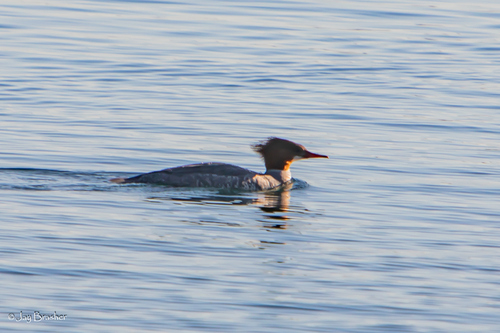
(c) Jay Brasher, some rights reserved (CC BY)
License: CC BY 4.0 ↗
Image may be shown cropped inside the card frame.
May 13, 2026
Photo attribution
(c) Jay Brasher, some rights reserved (CC BY)
License: CC BY 4.0 ↗
Image may be shown cropped inside the card frame.
May 13, 2026
Photo attribution
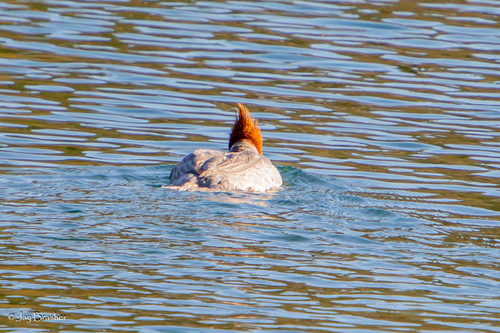
(c) Jay Brasher, some rights reserved (CC BY)
License: CC BY 4.0 ↗
Image may be shown cropped inside the card frame.
May 13, 2026
Photo attribution
(c) Jay Brasher, some rights reserved (CC BY)
License: CC BY 4.0 ↗
Image may be shown cropped inside the card frame.
May 13, 2026
Photo attribution
(c) Jay Brasher, some rights reserved (CC BY)
License: CC BY 4.0 ↗
Image may be shown cropped inside the card frame.

Maryland, US
You might spot White-Tailed Deer and Eastern Gray Squirrel.
View guide →
.jpg)
District of Columbia, US
You might spot Eastern Gray Squirrel, Duck, and House Sparrow.
View guide →

Illinois, US
You might spot American Robin, Canada Goose, and House Sparrow.
View guide →

Virginia, US
You might spot Spotted Lanternfly and Northern Cardinal.
View guide →
Take the discovery with you
Identify the wildlife you spot, learn as you go, and keep a collection of the adventure.