.jpg&width=800)





Yellow Poplar Weevil
Odontopus calceatus
The Yellow Poplar Weevil is a small bug that loves to munch on the leaves of tulip trees. They have a shiny yellow body with black spots, making them easy to spot on the trees they like!
Habitat: Forests
The Yellow Poplar Weevil is a small, oval-shaped insect, typically dark brown to black in color, often with yellowish-brown scales on its wing covers. It has a distinctive long, downward-curving snout, or proboscis, extending from its head. Its body is somewhat pear-shaped.
Category
InsectsRarity
Common
Danger
1/5 · Very low
Snaps
4
Adult weevils often play dead, falling off leaves to escape scary predators.
Its long snout is actually its mouth, used like a tiny drill and a straw!
This weevil can make an entire tree's leaves look rusty brown from all their munching!
Young weevils are tiny leaf miners, tunneling hidden highways inside leaves!
Yellow Poplar Weevil larvae can tunnel inside leaves because their tiny bodies fit perfectly, helping them hide from predators while they eat.
The Yellow Poplar Weevil has a long snout that helps them pierce and chew plant tissues to slurp up yummy sap and plant juices.
The Yellow Poplar Weevil has a tough, protective exoskeleton that helps them resist attacks from predators like birds and spiders.
These weevils are plant-eaters, feasting on leaves of trees like the yellow poplar.
Age differences: Larvae tunnel and feed within leaves (leaf miners), while adults chew holes and skeletonize leaves.
Liriodendron tulipifera
eats its leaves
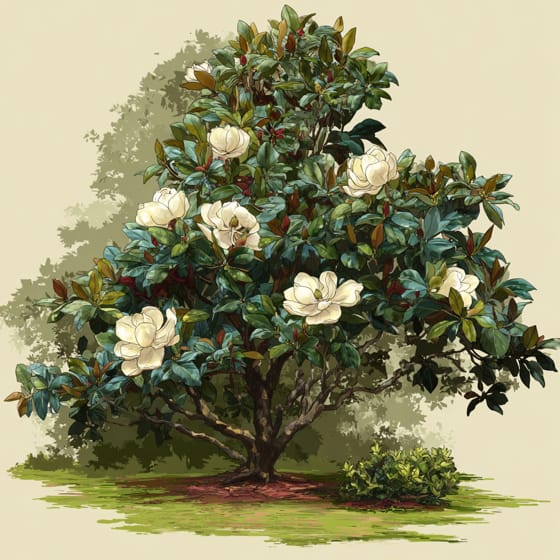
Magnolia grandiflora
feeds on its leaves
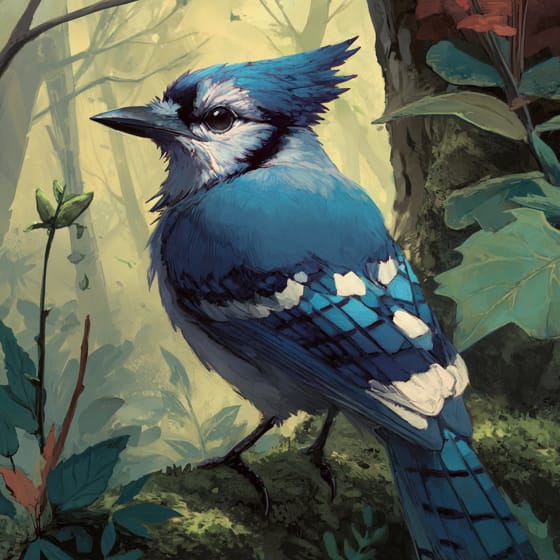
Cyanocitta cristata
a common food source
Microctonus calceati
lays eggs inside adults
Marked with spots or patches of a different color.
Social animals live in organized groups, cooperating for survival benefits such as foraging, defense, and raising offspring.
Colorful describes organisms or objects displaying a wide range of bright and distinct colors.
This trait characterizes organisms whose diet consists entirely or primarily of plant material.

Forest habitats are terrestrial environments dominated by dense tree cover, supporting a high diversity of plant and animal life.

Diurnal animals are primarily active during daylight hours, typically resting or sleeping at night.

Describes organisms that transfer pollen, enabling the fertilization and reproduction of plants.
No aliases listed yet.
Danger
1/5 · Very low
These bugs are not harmful, but it's best to look and not touch them.
The easiest way to identify Yellow Poplar Weevil is to use the Snappit nature identifier app.
2.5-3.5 mm
30-60 days
These weevils are plant-eaters, feasting on leaves of trees like the yellow poplar.
Forests
Foraging
6
Zoom in to split clusters and explore where this object has been snapped.
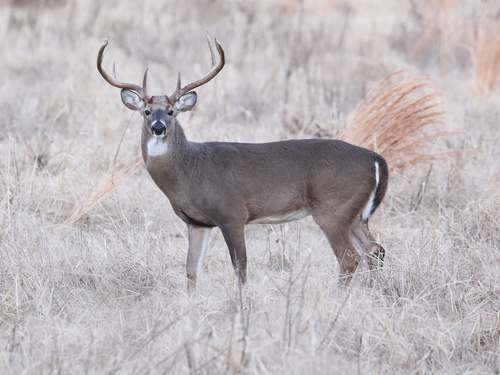
Virginia, US
You might spot White-Tailed Deer and House Sparrow.
View guide →

Virginia, US
You might spot Asian Lady Beetle, Spotted Lanternfly, and Christmas Fern.
View guide →

Virginia, US
You might spot Eastern Tiger Swallowtail, Bald Eagle, and Common Pawpaw.
View guide →

Virginia, US
You might spot Common Eastern Bumble Bee and Eastern Gray Squirrel.
View guide →

Virginia, US
You might spot Asian Lady Beetle, Spotted Lanternfly, and Christmas Fern.
View guide →
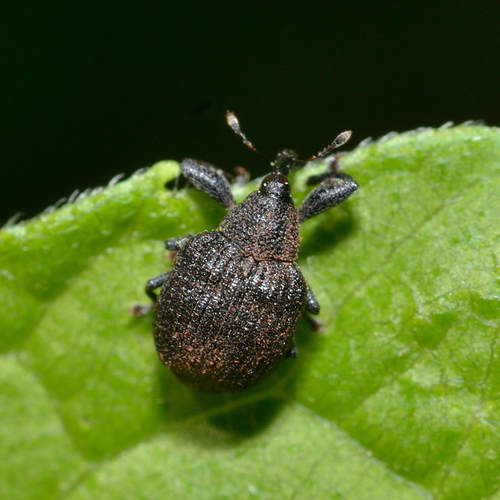
Virginia, US
You might spot Yellow Poplar Weevil and Asian Lady Beetle.
View guide →
Take the discovery with you
Snap it with Snappit to identify it, learn what makes it special, and add the discovery to your collection.







.jpg&width=800)


