.jpg&width=800)





American germander
Teucrium canadense
The American germander is a lovely plant with small purple flowers. It grows in sunny spots and is often found near water. This plant is great for attracting butterflies and bees!
Habitat: Wetlands
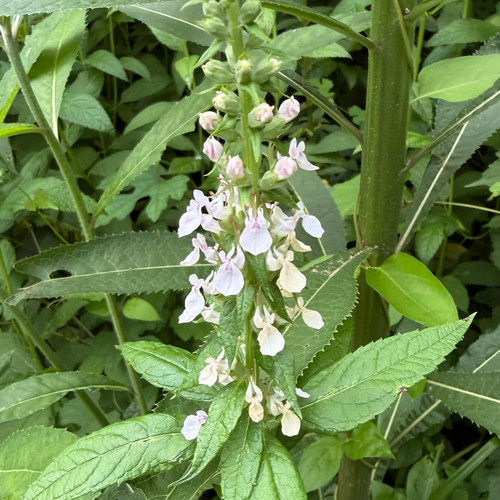
The American germander is a slender perennial with square stems and opposite, spear-shaped leaves. It displays showy spikes of pink, purplish-pink, or sometimes white, two-lipped flowers. Its distinctive upright flower clusters rise above the foliage, making it visually appealing.
Category
PlantsRarity
Common
Danger
1/5 · Very low
Snaps
10
It's a fantastic native plant that helps many local insects find food and shelter!
Its scientific name 'Teucrium' might come from King Teucer, who supposedly used it for medicine!
Its tiny flowers have only a lower lip, giving them a unique appearance!
This plant is sometimes called 'wood sage' even though it's not a true sage herb!
American germander can spread underground with special roots called rhizomes, helping it explore and colonize new patches of soil.
This plant has sweet nectar in its flowers that acts like a delicious treat, attracting buzzing bees and beautiful butterflies.
American germander has uniquely square-shaped stems, which give it extra strength and rigidity to stand tall in its habitat.
American germander can thrive in both damp and drier soils, adapting its growth to different moisture levels in its home.
Apis mellifera
Collects nectar and pollen.

Bombus impatiens
Visits flowers for nectar.
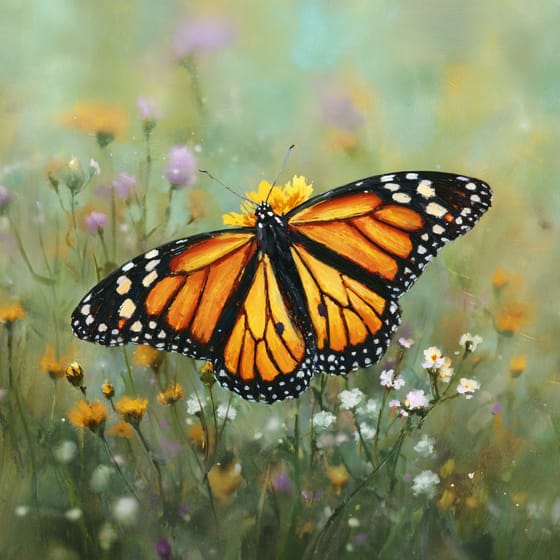
Danaus plexippus
Feeds on flower nectar.
Flowering plants are any plants that produce flowers as part of their reproductive cycle.
A shrub is a woody plant smaller than a tree, typically with multiple stems branching from or near the ground.
Summer blooming plants produce their flowers during the summer season, often providing vibrant color when many other plants have finished.
Fragrant flowers emit a pleasant aroma, often to attract pollinators or for defense.

Describes plants that are particularly attractive and beneficial to a wide range of pollinating organisms.

This habitat trait identifies species found in wetlands, which are areas of land saturated with water, either permanently or seasonally, including marshes, swamps, and bogs.
No aliases listed yet.
Danger
1/5 · Very low
Always ask an adult before touching or picking plants.
The easiest way to identify American germander is to use the Snappit nature identifier app.
30-120 cm
30-60 cm
1-2 cm
Late spring to early fall
No
None
Perennial
Zoom in to split clusters and explore where this object has been snapped.
Jun 6, 2026
Candler Park Historic DistrictPhoto attribution
(c) Dan Vickers, some rights reserved (CC BY)
License: CC BY 4.0 ↗
Image may be shown cropped inside the card frame.
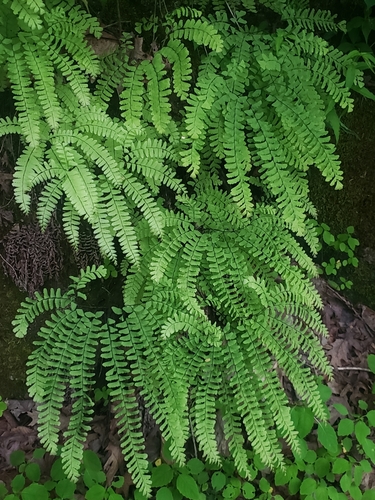
Iowa, US
You might spot Northern Maidenhair Fern and Wood Nettle.
View guide →

Tennessee, US
You might spot Monarch and Eastern Tiger Swallowtail.
View guide →

Florida, US
You might spot Brown Anole, Monarch, and Eastern Lubber Grasshopper.
View guide →

Oklahoma, US
You might spot Monarch, American Bumble Bee, and Gulf Fritillary.
View guide →

Missouri, US
You might spot Painted-Cup Paintbrush and Great Spangled Fritillary.
View guide →

Georgia, US
You might spot Anhinga, American Alligator, and Anole.
View guide →
Take the discovery with you
Snap it with Snappit to identify it, learn what makes it special, and add the discovery to your collection.








.jpg&width=800)


_001.jpg&width=800)




