.jpg&width=800)





prairie dock
Silphium terebinthinaceum
Prairie dock is a tall plant with big leaves and bright yellow flowers. It grows in sunny places and can be found in prairies and open fields, making it a beautiful sight in nature.
Habitat: Grasslands
The prairie dock is a tall plant with robust, stiff stems rising high above large, sandpaper-textured basal leaves. It has bright yellow, daisy-like flowers that bloom in clusters at the top, making it stand out against the prairie.
Category
PlantsRarity
Common
Danger
1/5 · Very low
Snaps
18
Early settlers chewed its resinous sap like gum for a refreshing taste.
Its leaves can rotate to face east and west, like natural solar panels!
Native Americans used its strong stalks to make scrubbing brushes!
This plant's mighty roots can plunge over 15 feet into the earth!
Prairie dock has unique vertical leaves that help it catch morning and evening sun, while reducing water loss during intense midday heat.
Prairie dock can grow a very long taproot that helps it reach deep water sources and withstand strong prairie winds.
Prairie dock has a sticky resinous sap that can help it seal wounds and deter some herbivores.
Apis mellifera
collects nectar and pollen from its flowers
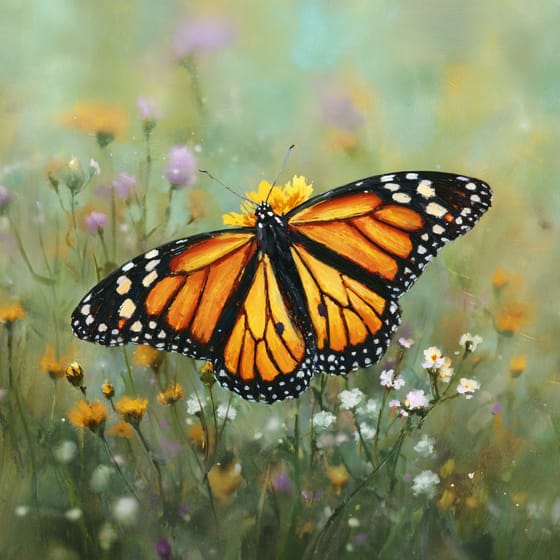
Danaus plexippus
visits flowers for nectar
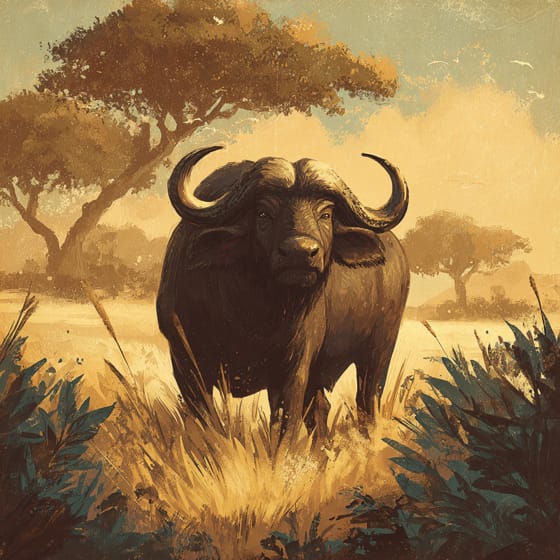
Bison bison
graze on young leaves and stems
Papaipema silphii
larvae bore into its stems for shelter and food
Ornamental plants are cultivated primarily for their aesthetic appeal, enhancing landscapes and gardens with their attractive foliage, flowers, or form.
Summer blooming plants produce their flowers during the summer season, often providing vibrant color when many other plants have finished.
Medicinal plants possess chemical compounds that can be used for therapeutic purposes to treat illnesses or maintain health.
Grassland habitats are terrestrial biomes dominated by grasses and herbaceous plants, supporting a variety of grazing animals.

Describes plants that are particularly attractive and beneficial to a wide range of pollinating organisms.

Describes a species whose presence and role have a disproportionately large effect on its environment.

Giant describes organisms or objects of significantly larger size than average for their species or type.
No aliases listed yet.
Danger
1/5 · Very low
Always look but don't touch plants unless you know they are safe.
The easiest way to identify prairie dock is to use the Snappit nature identifier app.
100-300 cm
30-90 cm
5-10 cm
Summer-fall
Yes
None
Perennial
Zoom in to split clusters and explore where this object has been snapped.

Illinois, US
You might spot American Robin, Monarch, and Duck.
View guide →

Illinois, US
You might spot Osage-Orange, Cutleaf Teasel, and Red Clover.
View guide →

Wisconsin, US
You might spot Common Eastern Bumble Bee, Red-Belted Bumble Bee, and Duck.
View guide →

Wisconsin, US
You might spot Eastern Forktail and Brown-Belted Bumble Bee.
View guide →

Missouri, US
You might spot Painted-Cup Paintbrush and Great Spangled Fritillary.
View guide →

Illinois, US
You might spot African Lion, African Penguin, and Gorilla.
View guide →
Take the discovery with you
Snap it with Snappit to identify it, learn what makes it special, and add the discovery to your collection.









.jpg&width=800)



_001.jpg&width=800)




