





American Groundnut
apios americana
The American Groundnut is a special plant that grows beautiful flowers and has tasty tubers underground. It can be found near water and is an important food source for many animals!
Habitat: Wetlands, riverbanks, and along the edges of forests
The American Groundnut is a vigorous, slender vine with compound leaves, typically featuring 5-7 oval leaflets. It has unique, pea-like flowers that range from reddish-purple to brownish-maroon, clustered tightly in dense spikes. These distinctive flowers stand out against its green foliage.
Category
PlantsRarity
Common
Danger
0/5 · No known danger
Snaps
4
Each vine can produce a chain of starchy tubers, sometimes weighing over a pound together!
Even famed explorers like Lewis and Clark noted the American Groundnut's importance as food.
Its tasty tubers were a vital food source for early Native Americans for thousands of years!
Some call it "potato bean" because it grows both underground tubers and edible bean-like pods.
American Groundnut can grow edible tubers deep underground, storing energy to survive winter and sprout back next year.
It teams up with tiny soil microbes to pull nitrogen from the air, enriching the soil for itself and other plants.
Its twining stems can climb high on other plants, reaching sunlight and spreading its leaves widely.
Apis mellifera
Nectars on its distinctive purplish-brown flowers.
Bombus impatiens
Visits the flowers for nectar and pollen.

Odocoileus virginianus
Browses on its foliage and young shoots.

Colinus virginianus
Feeds on the seeds produced in its pods.
Social animals live in organized groups, cooperating for survival benefits such as foraging, defense, and raising offspring.
Colorful describes organisms or objects displaying a wide range of bright and distinct colors.
This trait characterizes organisms whose diet consists entirely or primarily of plant material.
Aquatic habitats encompass environments where organisms live predominantly in water, including oceans, rivers, lakes, and wetlands.

Describes organisms that transfer pollen, enabling the fertilization and reproduction of plants.
Danger
0/5 · No known danger
No special safety notes yet.
The easiest way to identify American Groundnut is to use the Snappit nature identifier app.
30-300 cm
50-200 cm
1-2 cm
Summer to fall
Yes
None
Perennial
Zoom in to split clusters and explore where this object has been snapped.

South Carolina, US
You might spot American Alligator, Anole, and Great Blue Heron.
View guide →
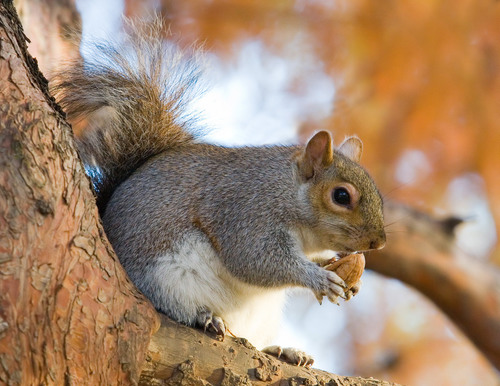
Georgia, US
You might spot Eastern Gray Squirrel, Domestic Cat, and American Robin.
View guide →

Georgia, US
You might spot Eastern Gray Squirrel, Domestic Cat, and American Robin.
View guide →

South Carolina, US
You might spot Butterfly Pea, Red-Tailed Hawk, and Northern Cardinal.
View guide →
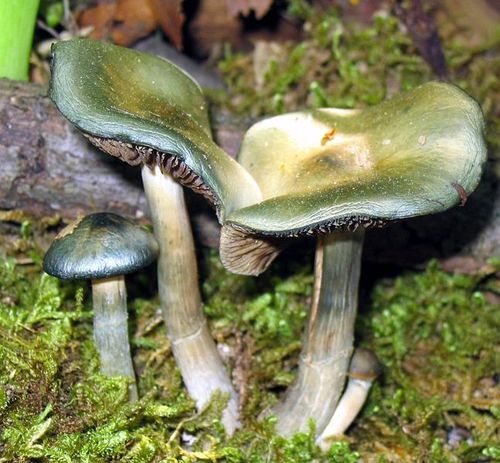
Ohio, US
You might spot Psychedelic Ovoid Mushroom and Sycamore.
View guide →
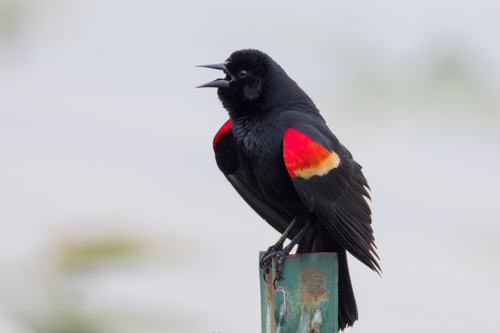
Virginia, US
You might spot Red-Winged Blackbird and Canada Goose.
View guide →
Take the discovery with you
Snap it with Snappit to identify it, learn what makes it special, and add the discovery to your collection.









.jpg&width=800)



_001.jpg&width=800)




