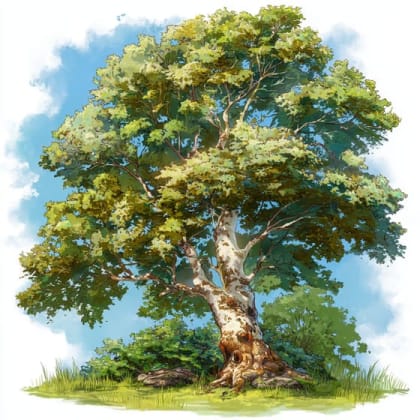





Sycamore
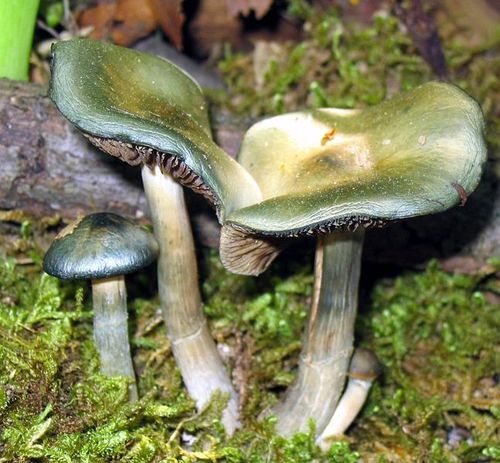
Sunfish Creek State Forest is a protected forest in Ohio, United States, offering a rugged and serene natural escape.
Sunfish Creek State Forest is a protected forest in Ohio, United States, offering a rugged and serene natural escape. This 637-acre forest, located in the Ohio Valley along the Ohio River, is characterized by its steep terrain, deep narrow valleys, and narrow ridge tops, creating a diverse landscape for exploration. It is a prime example of the Central Upland Hardwoods, showcasing a rich variety of tree species and providing crucial habitats for local wildlife.
Visitors to Sunfish Creek State Forest can immerse themselves in its oak-hickory woodlands, which form the dominant forest type. The forest is home to a heterogeneous composition of species including red and white oaks, maples, hickories, beech, tuliptree, cherry, and ash. These diverse tree species provide a vibrant backdrop for hiking and nature observation, especially during the spring bloom of wildflowers and the stunning fall foliage. The Sunfish Creek itself flows through the forest, contributing to the area's ecological richness and offering opportunities for fishing.
Sunfish Creek State Forest is an ideal destination for those seeking tranquility and a deep connection with nature. Its management under a multiple-use concept ensures the protection of wildlife habitats, water quality, and aesthetic beauty, while still allowing for recreational activities. The forest's challenging terrain and dense woodlands offer a genuine wilderness experience, making it a memorable visit for hikers, birdwatchers, and nature photographers looking to capture the essence of Ohio's natural heritage. Wondering what that bird or insect is? Find out on your visit using the Snappit nature app.
Sunfish Creek State Forest has been a designated protected area since 1963, when its final acquisition was completed by the Ohio Department of Natural Resources. Its establishment was part of a broader effort initiated in the 1940s, known as the Hastings Report, which identified suitable areas across Ohio for state forests. This initiative aimed to preserve local ecosystems and implement sustainable forest management practices. The land comprising the forest, though small at 637 acres, was part of a larger original purchase unit intended for conservation in Monroe County. The Division of Forestry manages Sunfish Creek State Forest with a multi-use approach, balancing forest products, wildlife habitat improvement, recreation, watershed protection, and aesthetics.
Hiking: Explore the rugged trails that traverse the steep terrain and narrow valleys.
* **Birdwatching: ** Spot a variety of woodland songbirds, especially during migration seasons.
* **Nature Photography: ** Capture the diverse plant life, scenic landscapes, and wildlife.
* **Foraging: ** Gather berries, nuts, and mushrooms in designated areas.
* **Fishing: ** Sunfish Creek is known to support warmwater fisheries.
Spring: Abundant wildflowers like Trillium, Spring Beauty, and various native plants bloom, and migratory birds return.
Summer: Lush green canopy, but streams may be dry. Good for general hiking and enjoying the shade.
Fall: Breathtaking display of fall colors from the diverse hardwood trees (oaks, maples, beech).
Winter: Potentially snowy landscapes, offering a quiet and stark beauty, though some trails might be challenging due to conditions.
Information on specific accessible trails within Sunfish Creek State Forest is not readily available. State forests typically have more rugged terrain than state parks. Visitors should check with the Ohio Department of Natural Resources for current accessibility information, as many accessible trails are found in Ohio state parks or nature preserves rather than state forests.
The dense oak-hickory woodlands, the serene Sunfish Creek, and the opportunities for wildlife observation.
Each card links to a full Explore page with photos, traits, and fun facts.
Start with the big picture, then zoom in to explore individual wildlife observations around this place.
Wear appropriate footwear
Trails can be steep and rugged, so sturdy hiking boots are recommended.
Bring plenty of water
Especially during warmer months, as amenities are limited.
Check weather conditions
Be prepared for changes in weather, and be cautious of slippery trails after rain.
Practice Leave No Trace principles
Pack out everything you pack in to preserve the forest's natural beauty.
Bring binoculars
Essential for birdwatching and observing distant wildlife.
Carry a map or GPS
Given the rugged terrain and potentially unmarked paths, navigation tools can be very helpful.
Jun 3, 2026
May 13, 2026
Oct 2, 2025
Sep 18, 2025
Aug 13, 2025

Maryland, US
You might spot White-Tailed Deer and Eastern Gray Squirrel.
View guide →
.jpg)
District of Columbia, US
You might spot Eastern Gray Squirrel, Duck, and House Sparrow.
View guide →

Illinois, US
You might spot American Robin, Canada Goose, and House Sparrow.
View guide →

Virginia, US
You might spot Spotted Lanternfly and Northern Cardinal.
View guide →
Take the discovery with you
Identify the wildlife you spot, learn as you go, and keep a collection of the adventure.

















.jpg&width=800)




