





American Hog-nosed Skunk
Conepatus leuconotus
The American Hog-nosed Skunk is a cute little animal known for its unique nose that looks like a pig's snout! It has a fluffy tail and can spray a stinky liquid to protect itself from danger.
Habitat: Grasslands
The American Hog-nosed Skunk is mostly black with a prominent white stripe running from its head, down its back, to its bushy tail. It has a unique, bare, pig-like snout and long front claws, which distinguish it from other skunk species.
Category
MammalsRarity
Common
Danger
2/5 · Low
Snaps
Be the first to snap!
Before spraying, they might stomp their feet and hiss loudly to scare you away!
It's the only skunk species in its range that often lacks a white head stripe!
Their powerful musk spray can accurately hit targets over 10 feet away!
They often dig their own burrows but will also use abandoned ones from other animals!
American Hog-nosed Skunk can spray a foul-smelling musk from specialized glands because it helps deter predators effectively.
American Hog-nosed Skunk has a strong, hairless snout and powerful claws that helps them dig efficiently for food.
American Hog-nosed Skunk can tolerate venomous stings and bites from prey because of its natural resistance.
This skunk is an omnivore, mostly munching on insects but also enjoying plants and small animals.
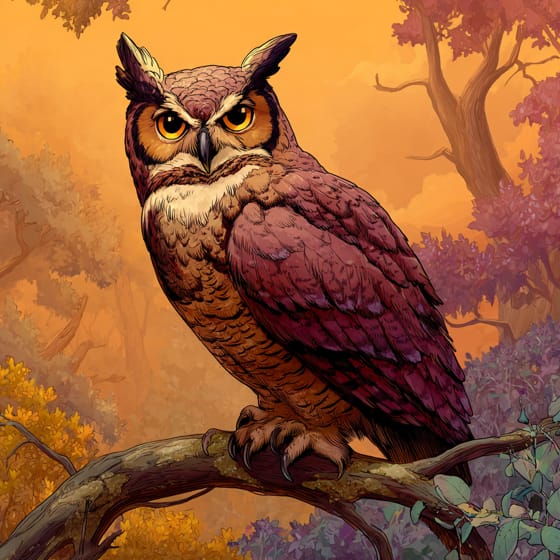
Bubo virginianus
Hunts skunks, especially younger ones, at night.
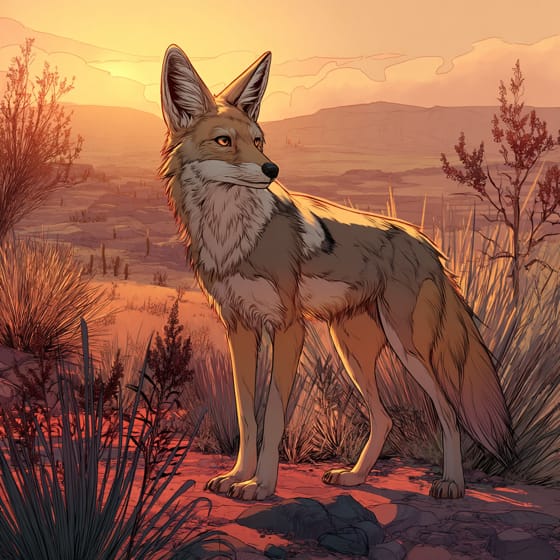
Canis latrans
An opportunistic predator, though wary of their spray.
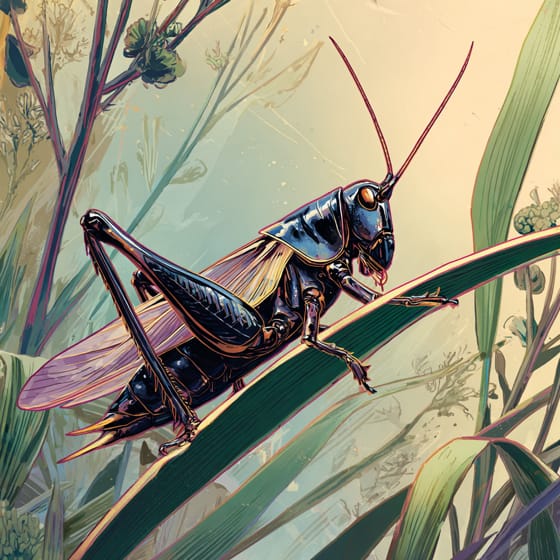
Gryllus assimilis
Forages for crickets and other insects in the soil.

Cylindropuntia imbricata
Consumes the fruit for hydration and nutrients.
Furry describes animals possessing a dense covering of soft hair or fur.
Solitary animals live alone for most of their lives, only interacting with others for mating or parental care.
This trait identifies organisms whose diet includes both plant and animal matter.
Burrowing animals dig tunnels and chambers in the ground, using these subterranean structures for shelter, hunting, or breeding.

Grassland habitats are terrestrial biomes dominated by grasses and herbaceous plants, supporting a variety of grazing animals.

This trait identifies organisms whose diet primarily consists of insects and other small invertebrates.

Nocturnal animals are primarily active during the nighttime hours, typically resting or sleeping during the day.
Danger
2/5 · Low
If you see a skunk, it's best to stay back and watch quietly. They can spray if they feel scared!
The easiest way to identify American Hog-nosed Skunk is to use the Snappit nature identifier app.
35-95 cm
1.1-4.5 kg
3-5 years
12 km/h
This skunk is an omnivore, mostly munching on insects but also enjoying plants and small animals.
Grasslands
Foraging
Zoom in to split clusters and explore where this object has been snapped.
Recent snaps will appear here as new observations are added.
Take the discovery with you
Snap it with Snappit to identify it, learn what makes it special, and add the discovery to your collection.




.jpg&width=800)



.JPG&width=800)

.jpg&width=800)
