





American parsley fern
Cryptogramma acrostichoides
The American parsley fern is a lovely green plant that looks like a little forest in your garden! It has delicate, feathery leaves that can make any place feel special.
Habitat: Forests
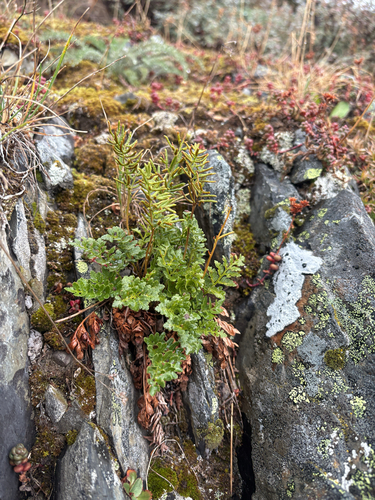
The American parsley fern has delicate, bright green fronds divided into many small, rounded leaflets that distinctly resemble parsley. It features two types of fronds: fertile ones that are taller and narrower, and sterile ones that are shorter and broader, creating a distinctive two-tiered appearance.
Category
PlantsRarity
Common
Danger
1/5 · Very low
Snaps
2
Its common name comes from its fronds looking very similar to the herb parsley!
Some people call it 'rock brake' because it often grows clinging to rocks and cliff sides!
This fern is found on two different continents: North America and parts of Northeast Asia!
Unlike most plants, ferns like this one reproduce using tiny dust-like spores, not seeds or flowers!
American parsley fern has special fertile fronds that release tiny spores, allowing it to reproduce without seeds or flowers, spreading new plants far and wide.
American parsley fern can grow directly in rocky crevices and cracks on cliffs, using tiny roots to anchor itself where few other plants survive.
American parsley fern has two distinct types of fronds (leaves): one for making food and another for making spores, making it highly efficient.
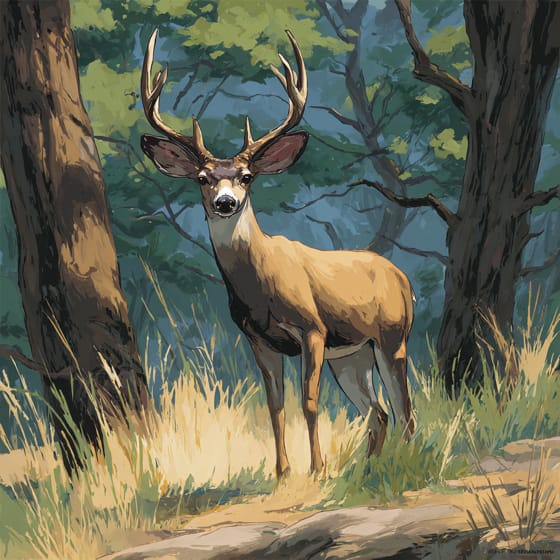
Odocoileus hemionus
Mule deer sometimes browse on its fronds.
Microtus longicaudus
Voles may nibble on young fern fronds.
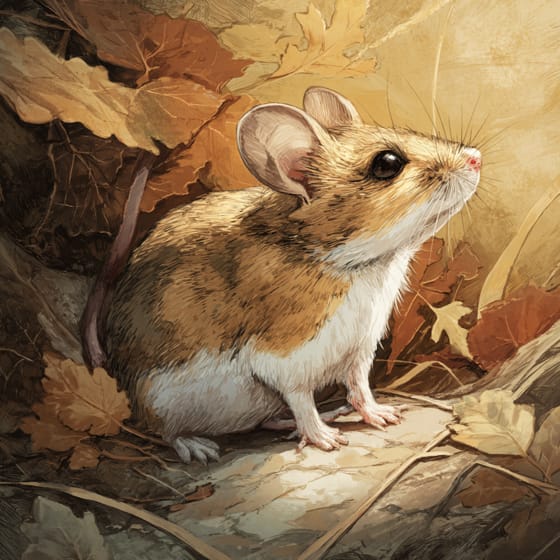
Peromyscus maniculatus
Deer mice find shelter beneath its fronds.
Feathered describes animals, primarily birds, possessing a covering of feathers.
Shade tolerant plants are adapted to grow and thrive in areas with low light levels, requiring less direct sunlight.
Cold hardy plants are able to withstand low temperatures and freezing conditions without significant damage.
Evergreen plants retain their foliage throughout the year, never shedding all their leaves at once.

Describes plants that are particularly attractive and beneficial to a wide range of pollinating organisms.

Forest habitats are terrestrial environments dominated by dense tree cover, supporting a high diversity of plant and animal life.
No aliases listed yet.
Danger
1/5 · Very low
Always look but don't touch wild plants unless a grown-up says it's safe.
The easiest way to identify American parsley fern is to use the Snappit nature identifier app.
10-40 cm
10-40 cm
Yes
None
Perennial
Forests
Zoom in to split clusters and explore where this object has been snapped.
Sep 27, 2025
Pasayten WildernessPhoto attribution
(c) Lindsey Salmonson, some rights reserved (CC BY)
License: CC BY 4.0 ↗
Image may be shown cropped inside the card frame.

Washington, US
You might spot Whitebark Pine, Subalpine Larch, and White Pasqueflower.
View guide →

Oregon, US
You might spot Rough-Skinned Newt and Isabella Tiger Moth.
View guide →
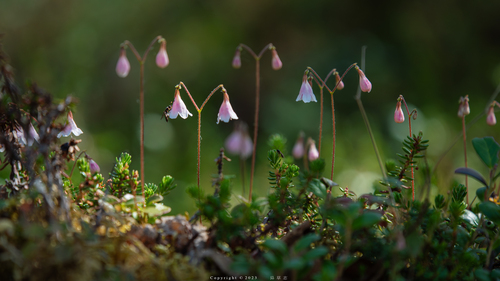
British Columbia, CA
You might spot Twinflower and Western Rattlesnake Plantain.
View guide →
.jpg)
British Columbia, CA
You might spot Pacific Madrone and Shortspur Seablush.
View guide →
Take the discovery with you
Snap it with Snappit to identify it, learn what makes it special, and add the discovery to your collection.








.jpg&width=800)



_001.jpg&width=800)


