





Pale Wolfberry
Lycium pallidum
The Pale Wolfberry is a small shrub that grows in dry places. It has pretty purple flowers and small berries that can be eaten, but be careful, they are not very tasty!
Habitat: Desert
The Pale Wolfberry is a thorny, bushy shrub with slender stems. It has small, grayish-green leaves and tubular flowers that range from pale purple to creamy white. Its most striking feature is its bright orange to red berries.
Category
PlantsRarity
Common
Danger
1/5 · Very low
Snaps
1
It's a cousin to your favorite foods like tomatoes, potatoes, and chili peppers!
Its scientific name, Lycium, may come from an ancient region in Turkey called Lycia!
Native American tribes traditionally used parts of this plant for various purposes.
This tough plant helps stop soil from washing away in dry, windy places.
Pale Wolfberry can grow deep roots that help it find water, allowing it to survive in very dry deserts.
Pale Wolfberry has sharp thorns that protect its branches and leaves from hungry animals.
Pale Wolfberry has bright, juicy berries that attract birds, helping to spread its seeds far and wide.
Apis mellifera
Helps spread pollen from its flowers.

Phainopepla nitens
Feeds on its nutritious berries.
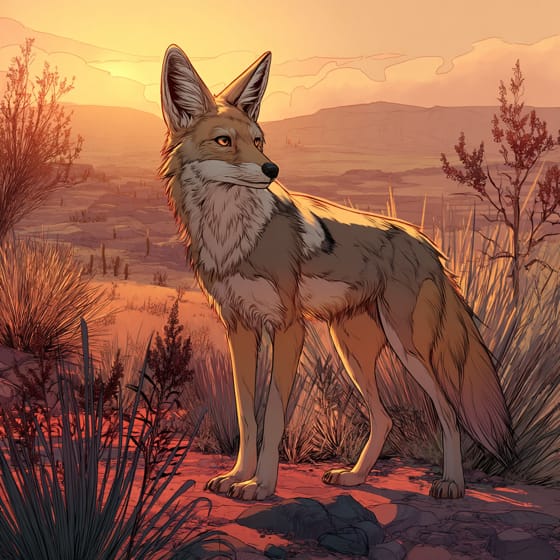
Canis latrans
Enjoys eating the sweet, red berries.
Flowering plants are any plants that produce flowers as part of their reproductive cycle.
A shrub is a woody plant smaller than a tree, typically with multiple stems branching from or near the ground.
Fruit-bearing plants produce fruits, which are the mature ovaries of flowering plants containing seeds.
Drought-tolerant plants can survive and flourish in conditions with limited water availability.

Edible plants are those parts of a plant that are considered safe for human consumption.

Describes plants that are particularly attractive and beneficial to a wide range of pollinating organisms.

Describes a relationship between two different species where they live in close association, often benefiting one or both.

Desert habitats are arid regions characterized by extremely low precipitation and often extreme temperatures, supporting specialized flora and fauna.
No aliases listed yet.
Danger
1/5 · Very low
Do not eat the berries without asking an adult first, as they might not taste good!
The easiest way to identify Pale Wolfberry is to use the Snappit nature identifier app.
50-200 cm
50-200 cm
0.5-1.5 cm
Spring to Fall
Yes
Mild
Perennial
Zoom in to split clusters and explore where this object has been snapped.
Take the discovery with you
Snap it with Snappit to identify it, learn what makes it special, and add the discovery to your collection.









.jpg&width=800)



_001.jpg&width=800)



