_Hibiscus_moscheutos_-_Red_swamp_rose-mallow_flower_-_Les_Martels%2C_Giroussens_Tarn.jpg&width=800)





swamp rose mallow
Hibiscus moscheutos
The swamp rose mallow is a beautiful flower that grows in wet areas. Its big, colorful blooms can be pink, white, or red, and they attract butterflies and bees!
Habitat: Wetlands
The swamp rose mallow has giant, showy flowers, typically white or pink with a deep crimson center, growing on sturdy green stems. Its broad, heart-shaped leaves are often fuzzy, giving it a distinctive soft texture among wetland plants.
Category
PlantsRarity
Common
Danger
1/5 · Very low
Snaps
6
Even though it loves swamps, this plant can also grow well in regular garden soil.
Hummingbirds love to stick their long beaks deep inside its giant flowers for a sweet treat!
Its scientific name, 'Hibiscus', comes from an ancient Greek word for marsh mallow.
Some swamp rose mallow flowers can be bigger than a dinner plate!
Swamp rose mallow can thrive in wet, boggy soils thanks to its roots that tolerate low oxygen conditions.
Its enormous, vibrant flowers act like giant targets, attracting thirsty bees and hummingbirds for nectar.
Swamp rose mallow has fuzzy leaf undersides that help it reduce water loss during hot, sunny days.

Bombus impatiens
collects nectar and pollen
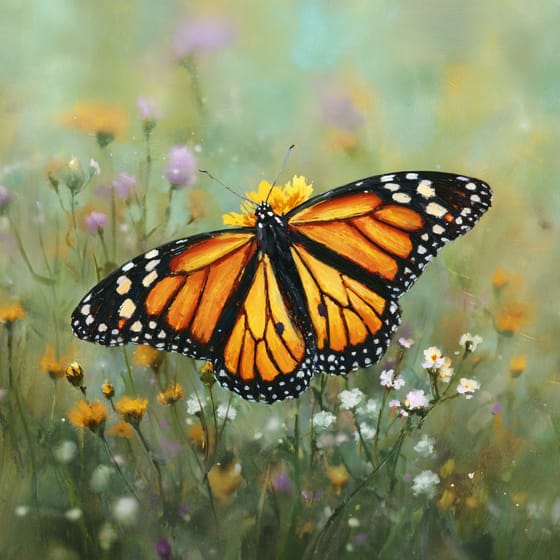
Danaus plexippus
feeds on flower nectar

Archilochus colubris
sips nectar from blooms
Aphis gossypii
sucks sap from leaves
Deciduous plants periodically shed all their leaves, typically during autumn or dry seasons.
Flowering plants are any plants that produce flowers as part of their reproductive cycle.
Summer blooming plants produce their flowers during the summer season, often providing vibrant color when many other plants have finished.
Medicinal plants possess chemical compounds that can be used for therapeutic purposes to treat illnesses or maintain health.

Colorful describes organisms or objects displaying a wide range of bright and distinct colors.

Describes plants that are particularly attractive and beneficial to a wide range of pollinating organisms.

This habitat trait identifies species found in wetlands, which are areas of land saturated with water, either permanently or seasonally, including marshes, swamps, and bogs.

Giant describes organisms or objects of significantly larger size than average for their species or type.
No aliases listed yet.
Danger
1/5 · Very low
Always look but don't touch flowers in nature to keep them safe.
The easiest way to identify swamp rose mallow is to use the Snappit nature identifier app.
90-210 cm
60-120 cm
10-25 cm
Summer
Yes
None
Perennial
Zoom in to split clusters and explore where this object has been snapped.

Ohio, US
You might spot Widow Skimmer, Eastern Pondhawk, and Bee.
View guide →

South Carolina, US
You might spot American Alligator, Great Blue Heron, and Anhinga.
View guide →

Michigan, US
You might spot Bald Eagle, American White Pelican, and Painted Turtle.
View guide →

Indiana, US
You might spot Amur Honeysuckle, Sycamore, and Common Pawpaw.
View guide →

Indiana, US
You might spot Amur Honeysuckle, Eastern Fox Squirrel, and Duck.
View guide →

Indiana, US
You might spot Amur Honeysuckle, Eastern Fox Squirrel, and Sycamore.
View guide →
Take the discovery with you
Snap it with Snappit to identify it, learn what makes it special, and add the discovery to your collection.







.jpg&width=800)



_001.jpg&width=800)




