





American Pipit
Anthus rubescens
The American Pipit is a small bird that loves to hop around on the ground. It has a sweet, cheerful song and can often be seen in open fields and meadows, especially during migration.
Habitat: Grasslands
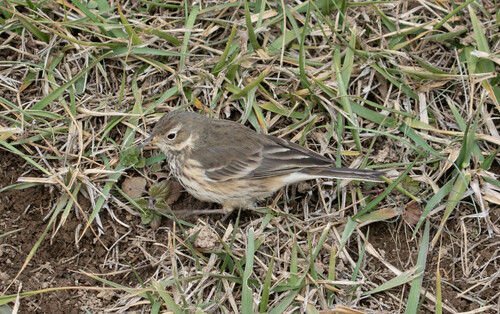
The American Pipit is a slender, streaky brown bird with a pale, buffy-white underside and a thin, dark bill. It has a distinctive upright posture and constantly bobs its long, dark tail, especially when walking on open ground.
Category
BirdsRarity
Common
Danger
1/5 · Very low
Snaps
3
Wow! American Pipits often perform a special 'sky dance' flight to attract a mate!
Wow! American Pipits walk rather than hop, constantly bobbing their tail as they move!
Wow! These tough birds nest right on the ground, often in a small hidden dip!
Wow! They get their name from their high-pitched, 'pipit-pipit' call they make while flying!
American Pipit has a constant tail-wagging habit that helps them blend into windy, open habitats by mimicking swaying vegetation.
American Pipit has streaky brown plumage that helps them disappear against bare ground and sparse plants, hiding from predators.
American Pipit can breed in high alpine tundras because of its strong flight and ability to withstand cold, sparse environments.
American Pipit can expertly forage on the ground, picking off small insects with its sharp bill that helps them find hidden meals.
American Pipits mostly eat tiny insects and spiders, but they also snack on seeds!
Age differences: Young pipits are fed mostly insects by their parents.
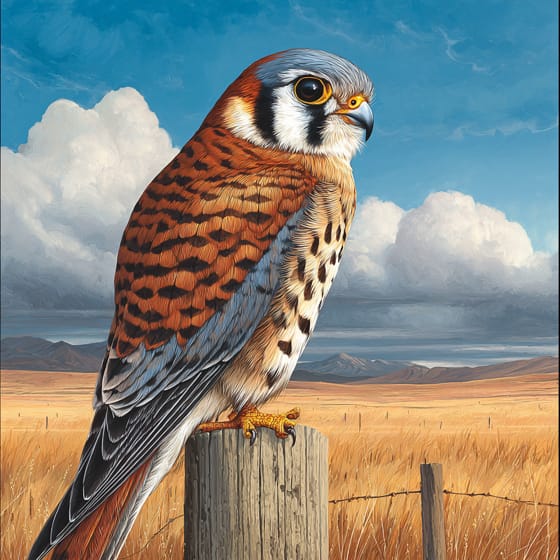
Falco sparverius
Small raptors like kestrels hunt pipits in open country.
Pardosa moesta
Pipits actively hunt wolf spiders found on the ground for food.
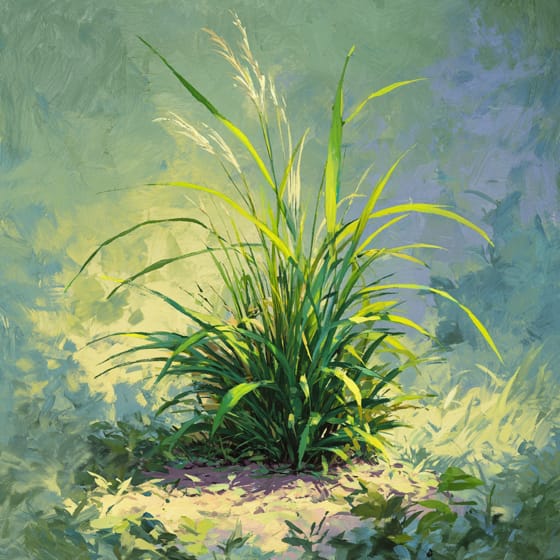
Poa pratensis
Pipits eat the seeds of bluegrass and other common grasses.
Thamnophis sirtalis
Garter snakes can prey on eggs and young pipits from ground nests.
Feathered describes animals, primarily birds, possessing a covering of feathers.
Social animals live in organized groups, cooperating for survival benefits such as foraging, defense, and raising offspring.
Singing animals produce complex vocalizations, often for purposes of attracting mates, defending territory, or communicating within their species.
Grassland habitats are terrestrial biomes dominated by grasses and herbaceous plants, supporting a variety of grazing animals.

This trait identifies organisms whose diet primarily consists of insects and other small invertebrates.

Diurnal animals are primarily active during daylight hours, typically resting or sleeping at night.

Migratory animals undertake seasonal movements from one region to another, typically in response to changes in climate or food availability.
No aliases listed yet.
Danger
1/5 · Very low
Enjoy watching birds from a distance and be quiet so you don't scare them away.
The easiest way to identify American Pipit is to use the Snappit nature identifier app.
14-17 cm
23-28 cm
0.018-0.025 kg
3-7 years
45 km/h
American Pipits mostly eat tiny insects and spiders, but they also snack on seeds!
Grasslands
Zoom in to split clusters and explore where this object has been snapped.
Jan 8, 2025
Fincastle Historic DistrictPhoto attribution
(c) kirk gardner, some rights reserved (CC BY)
License: CC BY 4.0 ↗
Image may be shown cropped inside the card frame.

Virginia, US
You might spot Eastern Box Turtle, Horned Lark, and Amur Honeysuckle.
View guide →
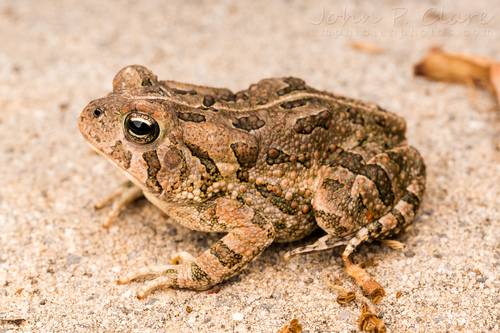
Arkansas, US
You might spot Fowler's Toad, Anole, and Eastern Lubber Grasshopper.
View guide →
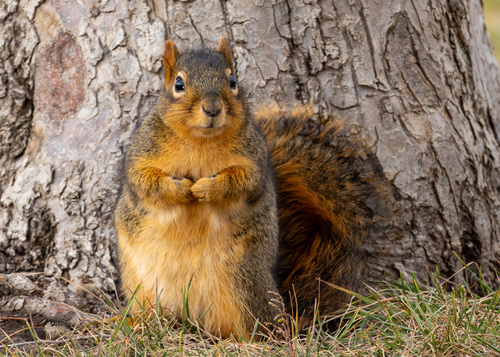
California, US
You might spot Eastern Fox Squirrel, Common Raven, and Mourning Dove.
View guide →
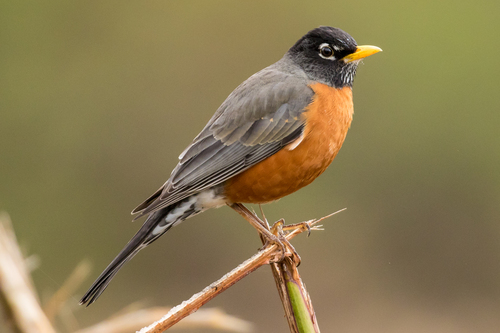
Illinois, US
You might spot American Robin and Northern Mockingbird.
View guide →
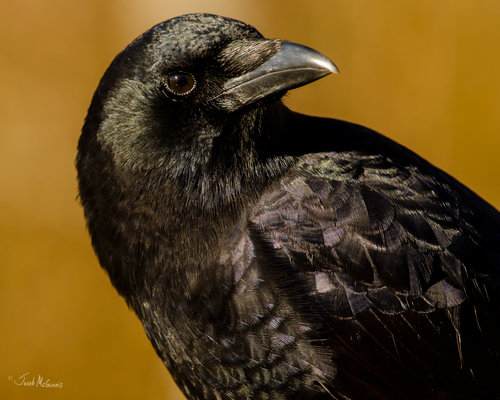
California, US
You might spot American Crow and Yellow-Rumped Warbler.
View guide →

New Hampshire, US
You might spot Diapensia, Eastern Mountain Avens, and Bog Bilberry.
View guide →
Take the discovery with you
Snap it with Snappit to identify it, learn what makes it special, and add the discovery to your collection.




.jpg&width=800)








