.jpg&width=800)





Scarlet Ibis
Eudocimus ruber
The Scarlet Ibis is a beautiful bird known for its bright red feathers. It loves to live near water and can often be seen wading in shallow ponds and marshes looking for food.
Habitat: Wetlands
The Scarlet Ibis is a medium-sized wading bird famously adorned in brilliant, fiery red plumage from head to tail, with only black wingtips visible in flight. Its long, slender, downcurved beak is reddish, perfect for probing, making it distinct from other wading birds.
Category
BirdsRarity
Common
Danger
1/5 · Very low
Snaps
Be the first to snap!
Baby ibises are brown, slowly turning red as they eat special foods!
Imagine flying with 1,000 friends – Scarlet Ibises often do, in huge flocks!
Scarlet Ibises are Venezuela's national bird, a symbol of their vibrant nature!
These birds use their curved beaks like chopsticks to slurp up tasty crabs!
Scarlet Ibis has intensely red feathers that come from pigments in the crustaceans they eat, helping them attract mates.
Scarlet Ibis can find hidden food in soft mud because its long, curved beak acts like specialized tongs, reaching deep.
Scarlet Ibis can fly in large, synchronized flocks, helping them find new food sources and navigate safely.
These vibrant birds feast on small aquatic animals, which also gives them their famous fiery red color!
Uca pugnax
Feasts on fiddler crabs for food and color.
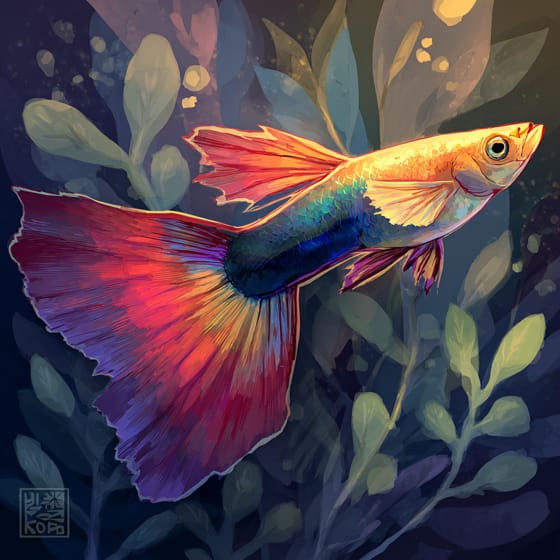
Poecilia reticulata
Consumes small fish in shallow waters.
Boa constrictor
Eggs and chicks can be prey for snakes.
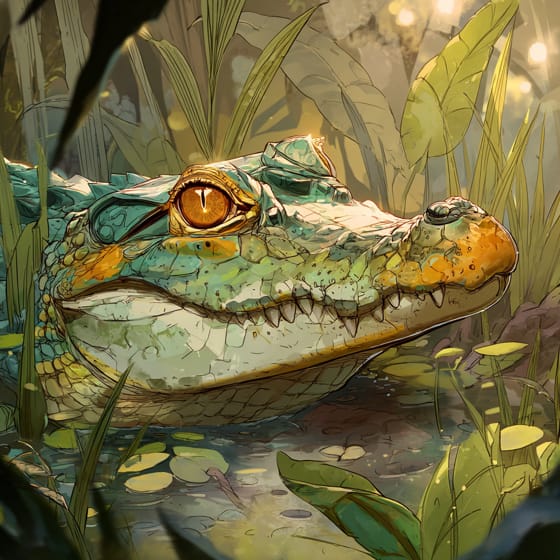
Caiman crocodilus
Young birds are vulnerable to caimans.
Feathered describes animals, primarily birds, possessing a covering of feathers.
Social animals live in organized groups, cooperating for survival benefits such as foraging, defense, and raising offspring.
Colorful describes organisms or objects displaying a wide range of bright and distinct colors.
Piscivorous organisms are animals that primarily subsist on a diet of fish.

This habitat trait identifies species found in wetlands, which are areas of land saturated with water, either permanently or seasonally, including marshes, swamps, and bogs.

This trait identifies organisms whose diet consists entirely or primarily of animal tissue.

Diurnal animals are primarily active during daylight hours, typically resting or sleeping at night.

Migratory animals undertake seasonal movements from one region to another, typically in response to changes in climate or food availability.

Endangered status indicates a species is at a very high risk of extinction in the wild in the near future.
No aliases listed yet.
Danger
1/5 · Very low
Always watch birds from a distance and do not disturb their nests.
The easiest way to identify Scarlet Ibis is to use the Snappit nature identifier app.
56-61 cm
85-95 cm
0.65-0.86 kg
15-20 years
60 km/h
These vibrant birds feast on small aquatic animals, which also gives them their famous fiery red color!
Wetlands
Zoom in to split clusters and explore where this object has been snapped.
Recent snaps will appear here as new observations are added.

Texas, US
You might spot African Elephant, Reticulated Giraffe, and African Lion.
View guide →

California, US
You might spot Giant Anteaters and Black-and-Gold Howler Monkey.
View guide →

New York, US
You might spot Snow Leopard, Red Panda, and Sea Lion.
View guide →

California, US
You might spot Redwood, Red Panda, and North American River Otter.
View guide →
Take the discovery with you
Snap it with Snappit to identify it, learn what makes it special, and add the discovery to your collection.




.jpg&width=800)






