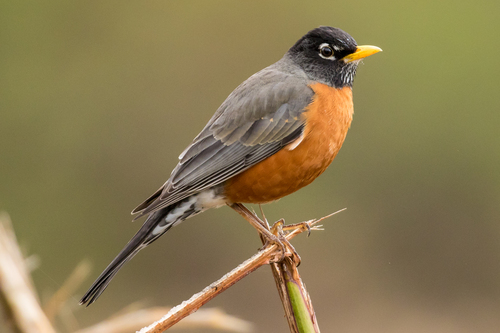
American Robin
Carver Park, nestled within Chicago's vibrant Riverdale community, stands as a pivotal hub for recreation, fitness, and community engagement.
Carver Park, nestled within Chicago's vibrant Riverdale community, stands as a pivotal hub for recreation, fitness, and community engagement. More than just a green space, this 19.24-acre Chicago Park District gem offers a wide array of indoor and outdoor facilities designed to cater to all ages and interests, providing a vital resource for local residents. It's a place where families gather, athletes train, and neighbors connect, embodying the "city in a garden" ethos of Chicago's park system.
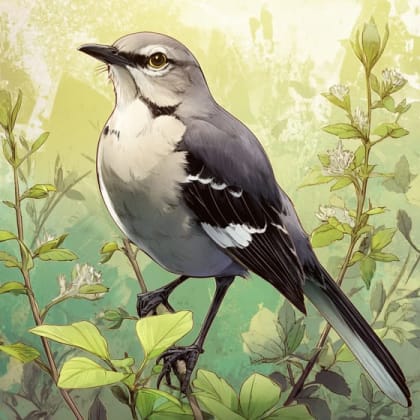
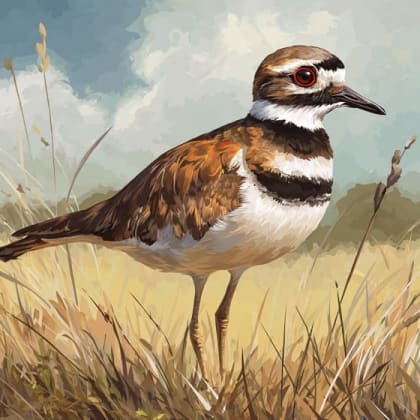
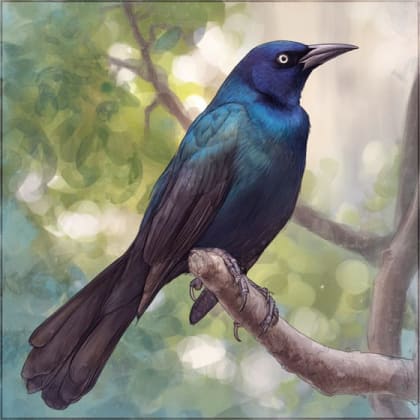
While primarily a recreational facility, Carver Park's green expanses and scattered trees provide urban pockets where local wildlife thrives. Visitors with a keen eye might spot common avian residents such as the American Robin, Northern Mockingbird, and Rock Pigeon, alongside waterfowl like the ubiquitous Canada Goose and Mallard, especially if there are water features nearby. Even within this urban landscape, plants like eastern redcedar and various Spurges contribute to the local ecosystem, offering glimpses of nature amidst the active park setting.
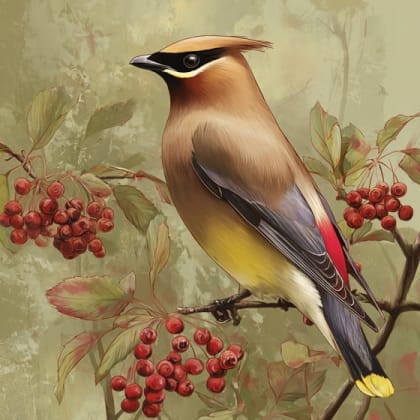
A visit to Carver Park is more than just an outing; it’s an immersion into the lively spirit of the Riverdale community. With its diverse programming, from sports leagues to summer camps, and its welcoming atmosphere, the park fosters an environment of active living and communal belonging. Whether you're seeking energetic play, a refreshing swim, or simply a peaceful moment to observe a Cedar Waxwing flitting through the trees, Carver Park offers a memorable experience that blends urban recreation with accessible natural charm. Planning to visit? Download the Snappit app to identify the wildlife you spot in real-time.
Carver Park and the neighboring school are proudly named in honor of George Washington Carver, the pioneering African American agricultural scientist, educator, and inventor. The park's development reflects the significant growth of the Riverdale community during the mid-20th century. In response to the increasing population and a pressing need for recreational spaces following the construction of Altgeld Gardens housing development between 1943 and 1944, the Chicago Park District began acquiring land for the park. Parcels were purchased from the Chicago Housing Authority (CHA) in 1950 and 1956, leading to the establishment of the park that serves as a community hub today.
Engage in various sports, swim, work out at the fitness center, join seasonal programs and events, or simply relax at a picnic grove. For nature enthusiasts, observe common urban bird species like the American Robin, Northern Mockingbird, and Canada Goose, or local flora such as eastern redcedar. The park's green spaces, even in an urban setting, can offer opportunities for casual birdwatching and plant identification.
Spring/Fall: Ideal for outdoor sports and observing migratory birds like the Yellow-rumped Warbler or American Pipit, as well as resident species.
Summer: Peak season for youth activities, including popular day camps, swimming at the indoor pool, and outdoor sports. Holiday-themed events often occur.
Winter: Indoor facilities like the gymnasium and fitness center remain popular.
Carver Park is committed to accessibility. The Carver Pool features an ADA lift, indicating wheelchair accessibility. The playground areas, such as the North Playground, utilize wood chips as a surface.
The modern fieldhouse, indoor swimming pool, gymnasium, fitness center, boxing ring, and multiple multi-purpose clubrooms are central attractions. Outdoors, visitors can enjoy baseball diamonds, basketball courts, a sand volleyball court, and well-equipped playgrounds.
Each card links to a full Explore page with photos, traits, and fun facts.
Start with the big picture, then zoom in to explore individual wildlife observations around this place.
Check the Chicago Park District website for up-to-date schedules for the pool, fieldhouse, and any special events or programs.
Bring your own sports equipment (baseball bats, basketballs) to make full use of the outdoor courts and fields.
For families, pack snacks and drinks, and consider a change of clothes if children plan to use the playground or participate in water activities.
Keep an eye out for diverse birdlife in the park's trees and open spaces, even in this urban setting.
Parking is available, and public transportation options can be found via the CTA.
Mar 1, 2026
Mar 1, 2026
Mar 1, 2026
Mar 1, 2026
Mar 1, 2026

Maryland, US
You might spot White-Tailed Deer and Eastern Gray Squirrel.
View guide →
.jpg)
District of Columbia, US
You might spot Eastern Gray Squirrel, Duck, and House Sparrow.
View guide →

Illinois, US
You might spot American Robin, Canada Goose, and House Sparrow.
View guide →

Virginia, US
You might spot Spotted Lanternfly and Northern Cardinal.
View guide →
Take the discovery with you
Identify the wildlife you spot, learn as you go, and keep a collection of the adventure.