





Anelaphus
Anelaphus
Anelaphus is a special kind of insect that can be found in nature. It has unique features that make it stand out, like its interesting colors and shapes. These insects are fun to discover and learn about!
Habitat: Forests
The Anelaphus is an elongated beetle, typically dull brown or grey, though some have subtle patterns. Its most distinctive feature is its extremely long antennae, often as long as or longer than its body, setting it apart from other common beetles.
Category
InsectsRarity
Common
Danger
1/5 · Very low
Snaps
Be the first to snap!
Many adult Anelaphus help pollinate wildflowers by visiting them for nectar and pollen!
Some Anelaphus grubs can live inside wood for several years before changing into an adult beetle!
The antennae of an Anelaphus can actually grow to be longer than its entire body!
You can sometimes hear Anelaphus larvae munching inside old logs from a short distance!
Anelaphus has extremely long, sensitive antennae that help them detect chemical signals for mates and host trees over long distances.
Anelaphus larvae can tunnel deep into hardwood because of their strong jaws, allowing them to eat wood and find shelter.
Anelaphus possesses a tough, protective exoskeleton that shields them from predators and environmental damage, like a natural suit of armor.
Adult Anelaphus feed on sweet plant liquids, while their larvae are wood-eating specialists.
Age differences: Larvae consume decaying or dead hardwood, while adults primarily feed on nectar, pollen, and tree sap.
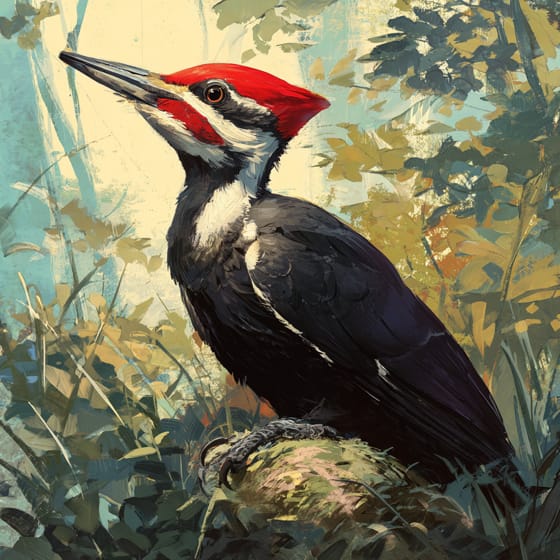
Dryocopus pileatus
Woodpeckers find Anelaphus larvae inside dead trees.
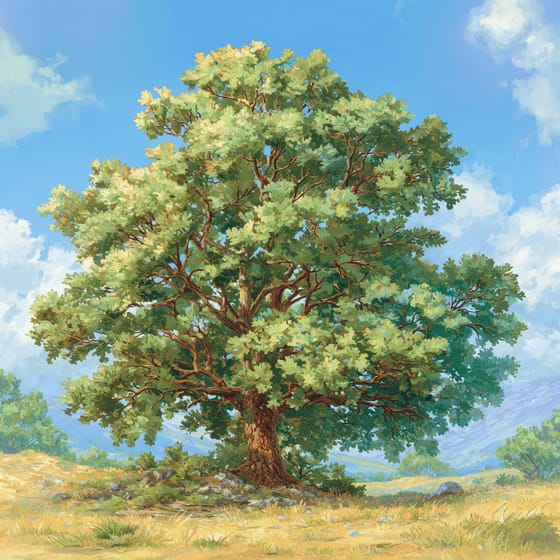
Quercus alba
Anelaphus larvae often develop within the wood of oak trees.

Asclepias syriaca
Adults visit milkweed flowers for nectar and pollen.
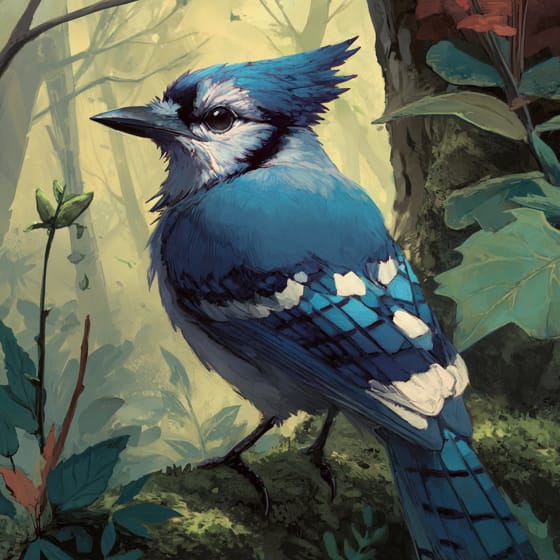
Cyanocitta cristata
Adult beetles can be caught and eaten by birds.
Social animals live in organized groups, cooperating for survival benefits such as foraging, defense, and raising offspring.
Camouflaged describes organisms that possess coloring or patterns that allow them to blend into their environment.
Colorful describes organisms or objects displaying a wide range of bright and distinct colors.
This trait characterizes organisms whose diet consists entirely or primarily of plant material.

Describes plants that are particularly attractive and beneficial to a wide range of pollinating organisms.

Forest habitats are terrestrial environments dominated by dense tree cover, supporting a high diversity of plant and animal life.

Diurnal animals are primarily active during daylight hours, typically resting or sleeping at night.

Describes a species whose presence and role have a disproportionately large effect on its environment.

Describes organisms that transfer pollen, enabling the fertilization and reproduction of plants.
No aliases listed yet.
Danger
1/5 · Very low
Always look but don't touch insects unless you know they are safe.
The easiest way to identify Anelaphus is to use the Snappit nature identifier app.
10-30 mm
20-60 days
5 km/h
Adult Anelaphus feed on sweet plant liquids, while their larvae are wood-eating specialists.
Forests
Foraging
6
Zoom in to split clusters and explore where this object has been snapped.
Recent snaps will appear here as new observations are added.
Take the discovery with you
Snap it with Snappit to identify it, learn what makes it special, and add the discovery to your collection.







.jpg&width=800)

