_focus_stacking-20230503-RM-151903.jpg&width=800)





Angle Shades
Phlogophora meticulosa
The Angle Shades is a special moth that looks like a leaf! It can be found resting on trees and bushes, blending in with nature. This helps it stay safe from birds and other animals.
Habitat: Forests
The Angle Shades moth has uniquely crinkled, jagged-edged wings that resemble autumn leaves. Its color palette ranges from pinkish-brown to olive-green, often with a striking pale 'W' mark. The distinct sharp angles of its wings make it visually different from most other moths.
Category
InsectsRarity
Common
Danger
1/5 · Very low
Snaps
Be the first to snap!
Adult moths love sugary tree sap and rotting fruit juices even more than flower nectar.
Angle Shades caterpillars can change their skin color to match the leaves they are eating!
Its caterpillars are amazing mimics, sometimes looking just like twigs or even bird droppings!
This moth is a superstar traveler, occasionally crossing seas on strong winds to new lands!
Angle Shades has crinkled, jagged wings that helps them perfectly blend in as a dead or crumpled leaf, hiding from predators.
Angle Shades has eyes that glow a reddish color in a flashlight beam, helping them navigate and see in the darkest night.
Angle Shades can have multiple generations each year, allowing them to be spotted even in colder months or early spring.
Caterpillars munch on many plant leaves, while adult moths sip sweet nectar and tree sap.
Age differences: Caterpillars eat plant leaves; adults drink nectar, tree sap, and rotting fruit juices.
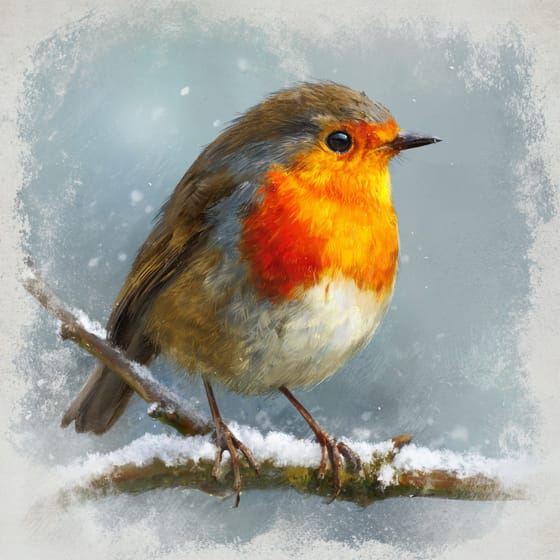
Erithacus rubecula
A common garden bird that preys on adult moths.
Pipistrellus pipistrellus
A small bat species that hunts moths and other insects in flight.
Urtica dioica
Its caterpillars commonly feed on the leaves of this plant.
_Clock_-_Tennessee%2C_USA_-_May_31%2C_2014.jpg&width=800)
Taraxacum officinale
Caterpillars munch on the leaves of this widespread flower.
Solitary animals live alone for most of their lives, only interacting with others for mating or parental care.
Camouflaged describes organisms that possess coloring or patterns that allow them to blend into their environment.
This trait characterizes organisms whose diet consists entirely or primarily of plant material.
Forest habitats are terrestrial environments dominated by dense tree cover, supporting a high diversity of plant and animal life.

Nocturnal animals are primarily active during the nighttime hours, typically resting or sleeping during the day.

Describes organisms that transfer pollen, enabling the fertilization and reproduction of plants.
Danger
1/5 · Very low
Don't touch moths, as they can be delicate and might fly away quickly.
The easiest way to identify Angle Shades is to use the Snappit nature identifier app.
45-55 mm
20-25 mm
7-14 days
15 km/h
Caterpillars munch on many plant leaves, while adult moths sip sweet nectar and tree sap.
Forests
6
Zoom in to split clusters and explore where this object has been snapped.
Recent snaps will appear here as new observations are added.
Take the discovery with you
Snap it with Snappit to identify it, learn what makes it special, and add the discovery to your collection.








.jpg&width=800)



