





Giant Mayfly
Hexagenia limbata
The Giant Mayfly is a large insect that lives near water. They are known for their beautiful wings and short life as adults, which is just a few days!
Habitat: Wetlands
The Giant Mayfly has a slender, yellowish-brown body with large, clear triangular wings veined like stained glass. It is visually distinct by its three long, thin tail filaments and often mottled thorax, making it one of the largest mayfly species.
Category
InsectsRarity
Common
Danger
1/5 · Very low
Snaps
2
Giant Mayflies spend almost their entire lives underwater as tiny nymphs!
Male mayflies perform amazing aerial dances to attract females at dusk!
Mayflies are an ancient insect group, having existed for over 300 million years!
They have no mouthparts as adults, meaning they never eat anything!
Giant Mayfly has an incredibly short adult lifespan that helps them mate quickly before they perish.
Giant Mayfly nymphs can dig U-shaped burrows using modified mandibles to shelter from predators and currents.
Giant Mayfly nymphs require clean, oxygen-rich water, making their presence a sign of a healthy aquatic ecosystem.
Giant Mayflies are the only insects that shed their skin again as a winged adult (subimago) before their final flight.
Nymphs munch on tiny plant bits and decaying matter, while adults don't eat at all!
Age differences: Nymphs eat algae and decaying matter underwater, but adults do not eat, focusing solely on reproduction.
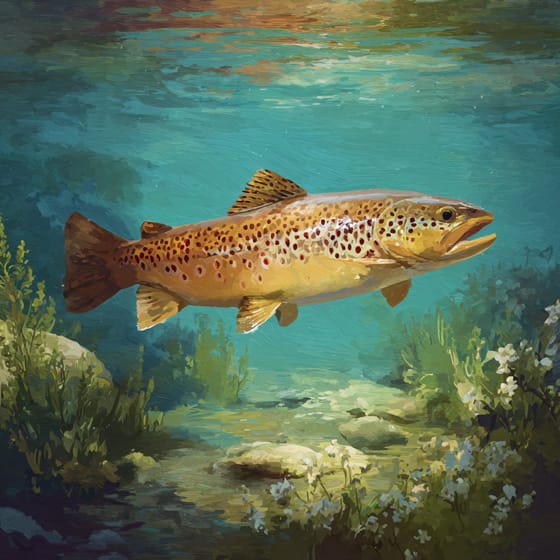
Salmo trutta
Trout fiercely hunt mayfly nymphs and emerging adults.
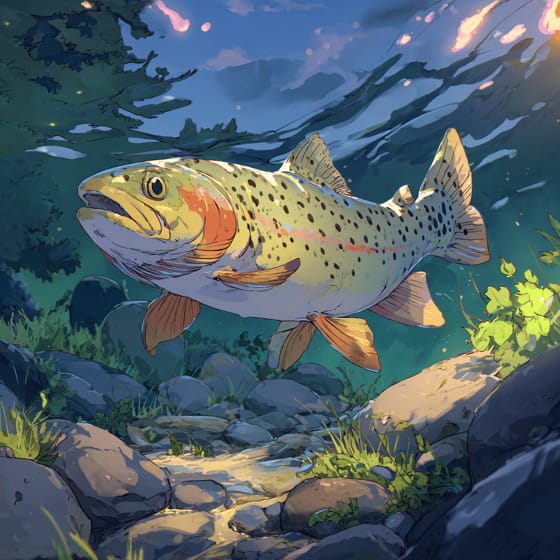
Oncorhynchus mykiss
Rainbow Trout feast on the abundant mayfly nymphs in rivers.
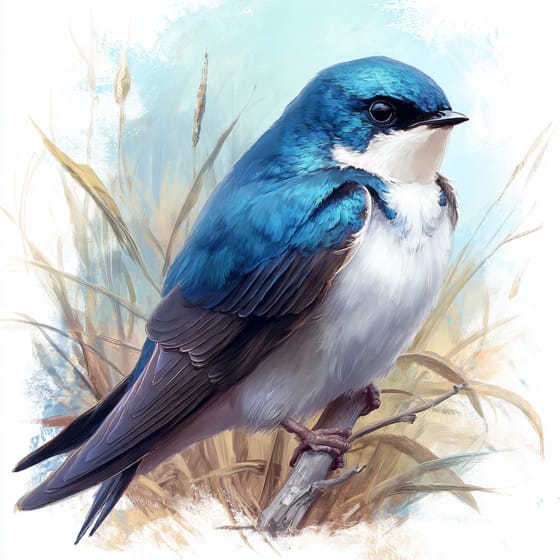
Tachycineta bicolor
Swallows dart through swarms, catching adult mayflies mid-air.
Spirogyra porticalis
Mayfly nymphs graze on this common filamentous algae in their habitat.
Cladophora glomerata
Nymphs scrape and consume this common attached algae from surfaces.
Solitary animals live alone for most of their lives, only interacting with others for mating or parental care.
Aerial creatures spend a significant portion of their lives airborne, utilizing flight for various activities such as hunting, migration, or nesting.
Colorful describes organisms or objects displaying a wide range of bright and distinct colors.
This trait characterizes organisms whose diet consists entirely or primarily of plant material.

This habitat trait identifies species found in wetlands, which are areas of land saturated with water, either permanently or seasonally, including marshes, swamps, and bogs.

Diurnal animals are primarily active during daylight hours, typically resting or sleeping at night.

Freshwater habitats include non-saline aquatic environments such as rivers, lakes, ponds, and wetlands, vital for numerous species.

Describes a species whose presence and role have a disproportionately large effect on its environment.

Giant describes organisms or objects of significantly larger size than average for their species or type.

Describes organisms that transfer pollen, enabling the fertilization and reproduction of plants.

Endangered status indicates a species is at a very high risk of extinction in the wild in the near future.
No aliases listed yet.
Danger
1/5 · Very low
Giant Mayflies are harmless, but it's best to watch them from a distance.
The easiest way to identify Giant Mayfly is to use the Snappit nature identifier app.
40-70 mm
25-30 mm
1-2 days
10 km/h
Nymphs munch on tiny plant bits and decaying matter, while adults don't eat at all!
Wetlands
Foraging
Zoom in to split clusters and explore where this object has been snapped.

California, US
You might spot African Lion, Red Panda, and Giraffes.
View guide →

California, US
You might spot Horse-Fly Carpenter Bee and Anna's Hummingbird.
View guide →
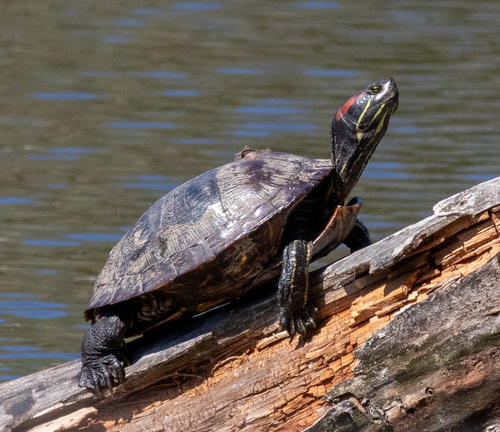
Oklahoma, US
You might spot Pond Slider and Three-Toed Box Turtle.
View guide →

California, US
You might spot Horse-Fly Carpenter Bee and Anna's Hummingbird.
View guide →
Texas, US
You might spot Red Buckeye, American Beautyberry, and Pond Slider.
View guide →
Take the discovery with you
Snap it with Snappit to identify it, learn what makes it special, and add the discovery to your collection.







.jpg&width=800)


