





Angolan Giraffe
giraffa giraffa angolensis
The Angolan Giraffe is the tallest animal in the world! With its long neck, it can reach leaves high up in trees that other animals can't.
Habitat: Savannas and woodlands of Angola and neighboring countries.
The Angolan Giraffe has a pale, sandy-yellow coat covered in large, irregularly shaped brown spots with jagged edges. These distinct patterns extend down their legs, which often have an unspotted, lighter lower section, setting them apart visually.
Category
MammalsRarity
Common
Danger
1/5 · Very low
Snaps
Be the first to snap!
A giraffe's neck is too short to reach the ground, so they splay their front legs to drink!
Angolan Giraffes only sleep for short naps, usually standing up, for a few hours daily.
Newborn Angolan Giraffes can stand and even run within just an hour of birth.
Their enormous heart can pump 60 liters of blood per minute to reach their brain!
Angolan Giraffe has incredible eyesight and height that helps them spot predators or other giraffes from far distances across the savanna.
Angolan Giraffe can grab tough, thorny leaves with its long (up to 45cm), prehensile tongue because it's strong and protected, reaching high branches safely.
Angolan Giraffe has a four-chambered stomach that helps them efficiently digest fibrous plant material, extracting maximum nutrients from their leafy diet.
These tall giants munch on leaves, shoots, and fruits from various trees and shrubs, especially acacias.
Age differences: Calves primarily drink milk for several months, gradually beginning to browse on leaves and shoots as they mature.
Panthera leo
Main predator, especially of calves.
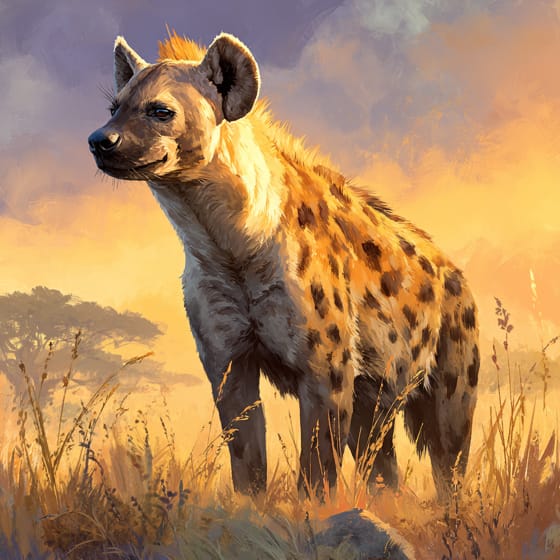
Crocuta crocuta
Often preys on young or vulnerable giraffes.
Acacia erioloba
A primary food source in their habitat.
Combretum imberbe
They browse on its leaves and shoots.
Marked with spots or patches of a different color.
Social animals live in organized groups, cooperating for survival benefits such as foraging, defense, and raising offspring.
Grassland habitats are terrestrial biomes dominated by grasses and herbaceous plants, supporting a variety of grazing animals.
This trait characterizes organisms whose diet consists entirely or primarily of plant material.

Diurnal animals are primarily active during daylight hours, typically resting or sleeping at night.
Danger
1/5 · Very low
Always observe wild animals from a safe distance.
The easiest way to identify Angolan Giraffe is to use the Snappit nature identifier app.
400-550 cm
700-1930 kg
15-25 years
60 km/h
These tall giants munch on leaves, shoots, and fruits from various trees and shrubs, especially acacias.
Savannas and woodlands of Angola and neighboring countries.
Grazing
Zoom in to split clusters and explore where this object has been snapped.
Recent snaps will appear here as new observations are added.
Take the discovery with you
Snap it with Snappit to identify it, learn what makes it special, and add the discovery to your collection.






.jpg&width=800)



.JPG&width=800)

.jpg&width=800)
