





Arachnida
Arachnida
Arachnids are fascinating creatures that include spiders, scorpions, and ticks. They have eight legs and no wings, making them unique among other animals.
Habitat: Forests, deserts, and gardens
The Arachnida has a body divided into two main segments: a cephalothorax (head and chest combined) and an abdomen. They possess eight jointed legs and typically lack wings and antennae, distinguishing them from insects. Many have specialized mouthparts called chelicerae.
Category
InsectsRarity
Common
Danger
2/5 · Low
Snaps
Be the first to snap!
Many arachnids have multiple eyes, with some spiders having up to eight eyes to help them see in different directions!
Mother scorpions carry their babies on their backs, protecting them until they are old enough to live alone!
Scorpions are ancient, with fossils showing they have looked almost the same for over 400 million years!
Some arachnids, like certain spiders, can "balloon" by releasing silk and riding the wind for miles!
Arachnida can spin incredibly strong, stretchy silk because of specialized glands, helping them build webs, nests, and even 'balloon' across distances.
Many Arachnida can inject venom using fangs or stingers that helps them subdue prey or defend against predators.
Arachnida has tiny hairs covering their bodies that help them detect vibrations and air currents, crucial for hunting and navigation.
Most arachnids are predators, hunting and eating smaller creatures like insects to survive.
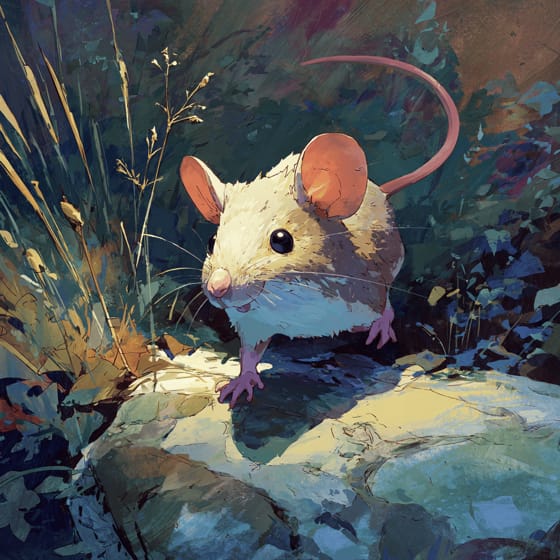
Mus musculus
Some larger spiders may prey on small mice.
Blattella germanica
Many spiders actively hunt and consume cockroaches.
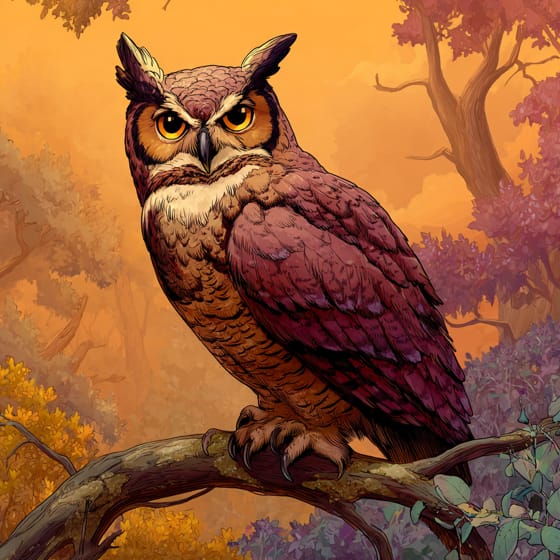
Bubo virginianus
Owls are known to prey on scorpions and larger spiders.
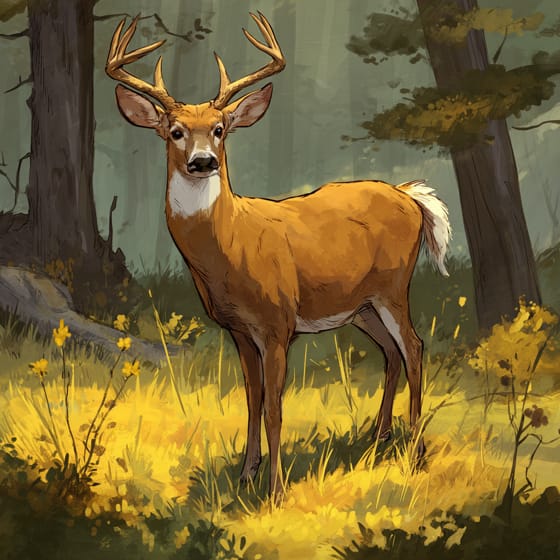
Odocoileus virginianus
Deer are hosts for various tick species, a type of arachnid.
Solitary animals live alone for most of their lives, only interacting with others for mating or parental care.
This trait characterizes organisms that construct elaborate silken webs for catching prey, shelter, or reproduction.
This trait identifies organisms whose diet primarily consists of insects and other small invertebrates.
Desert habitats are arid regions characterized by extremely low precipitation and often extreme temperatures, supporting specialized flora and fauna.

An ambush predator hunts by patiently waiting and concealing itself, then launching a sudden attack when unsuspecting prey comes within range.

Forest habitats are terrestrial environments dominated by dense tree cover, supporting a high diversity of plant and animal life.

This trait identifies organisms whose diet consists entirely or primarily of animal tissue.

Describes a species whose presence and role have a disproportionately large effect on its environment.

Pertaining to organisms that emit light through bioluminescence or fluorescence.

Venomous organisms produce toxins that are injected into another animal, typically through a bite or sting.
No aliases listed yet.
Danger
2/5 · Low
Always watch where you step and don't touch spiders or scorpions without asking an adult.
The easiest way to identify Arachnida is to use the Snappit nature identifier app.
0.1-300 mm
15-9125 days
Most arachnids are predators, hunting and eating smaller creatures like insects to survive.
Forests, deserts, and gardens
Ambush
8
Zoom in to split clusters and explore where this object has been snapped.
Recent snaps will appear here as new observations are added.
Take the discovery with you
Snap it with Snappit to identify it, learn what makes it special, and add the discovery to your collection.









.jpg&width=800)


