ashes
Fraxinus
Ash trees are tall and strong, with beautiful green leaves that turn yellow in the fall. They provide shade and homes for many animals, making them important in nature.
Habitat: Forests
The ashes has distinctive diamond-patterned bark that can be gray or brown. Its opposite, compound leaves feature 5-11 oval leaflets. In autumn, these leaves turn vibrant yellow, often with purple hues, before falling.
Category
TreesRarity
Common
Danger
1/5 · Very low
Snaps
Be the first to snap!
Ancient Norse myths describe the mighty world tree Yggdrasil as a giant ash!
Ash is often one of the last trees to grow leaves in spring!
Some ash trees have sweet sap, once called 'manna', used as a natural sugar!
The largest ash tree in Europe is over 260 years old and still growing!
Ashes have opposite, compound leaves that quickly unfurl in spring, efficiently capturing sunlight to make food.
Ash trees possess incredibly strong, flexible wood, allowing branches to withstand winds and maintain the tree's upright structure.
Ash trees develop deep, widespread root systems that efficiently draw water and nutrients, helping them thrive in varied soils.
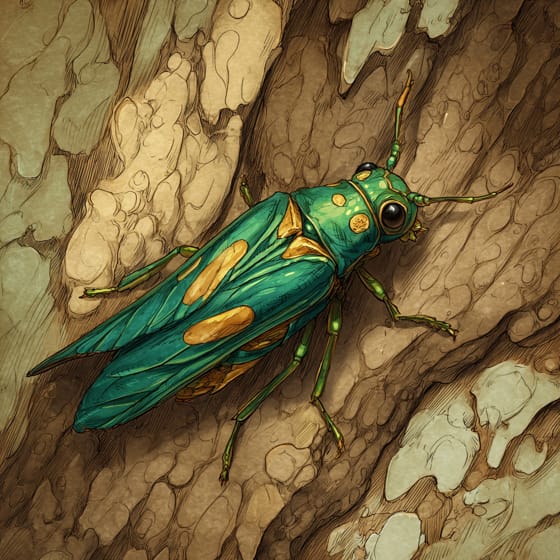
Agrilus planipennis
Larvae tunnel under bark, often killing trees.
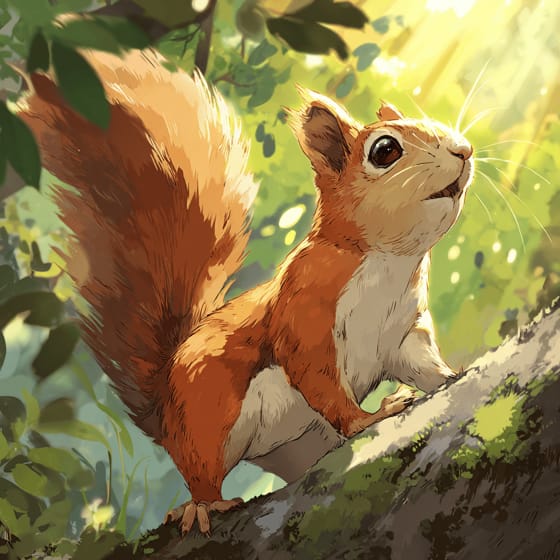
Sciurus carolinensis
Squirrels eat the winged samara seeds from ash trees.
Hymenoscyphus fraxineus
Causes leaves to wilt, bark lesions, and branch dieback.
.jpg&width=800)
Sitta carolinensis
Nests in tree cavities and forages for insects on bark.
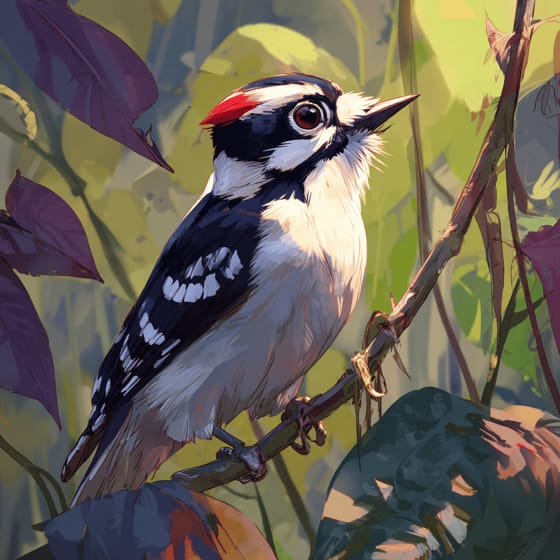
Picoides pubescens
Forages for insects within the bark and wood.
Deciduous plants periodically shed all their leaves, typically during autumn or dry seasons.
Ornamental plants are cultivated primarily for their aesthetic appeal, enhancing landscapes and gardens with their attractive foliage, flowers, or form.
Broadleaf trees are angiosperms characterized by flat, wide leaves that are typically shed annually in temperate climates.
Fall color refers to the seasonal change in foliage pigmentation, primarily in deciduous plants, displaying vibrant hues.

Timber refers to wood that has been prepared for use in building and carpentry.

Forest habitats are terrestrial environments dominated by dense tree cover, supporting a high diversity of plant and animal life.

This trait characterizes organisms with an exceptionally long lifespan compared to others of their kind.

Describes a species whose presence and role have a disproportionately large effect on its environment.
No aliases listed yet.
Danger
1/5 · Very low
Be careful not to climb too high in trees, and always look out for falling branches.
The easiest way to identify ashes is to use the Snappit nature identifier app.
15-40 m
10-20 m
No
50-150 cm
70-200 years
Forests
Samara
Zoom in to split clusters and explore where this object has been snapped.
Recent snaps will appear here as new observations are added.
Take the discovery with you
Snap it with Snappit to identify it, learn what makes it special, and add the discovery to your collection.