





Ashy-headed Goose
Chloephaga poliocephala
The Ashy-headed Goose is a beautiful bird with a gray head and a white body. They love to swim in lakes and rivers and can often be seen waddling on the grass.
Habitat: Wetlands
The Ashy-headed Goose has a distinct ashy-grey head and neck, contrasting with a chestnut breast and finely barred black-and-white belly. Its back is grey-brown, and it sports bright orange legs and a small black bill, making it easily identifiable.
Category
BirdsRarity
Common
Danger
1/5 · Very low
Snaps
Be the first to snap!
Ashy-headed Geese often form lifelong pairs, staying together year after year!
Their unique whistling call helps them communicate across wide, open landscapes!
They are endemic to Patagonia, found only in the southern tip of South America!
Unlike many birds, these geese primarily eat grass, just like little cows!
Ashy-headed Geese can efficiently graze short grasses because of their strong bills, helping them find food in open fields.
Ashy-headed Geese have a barred black and white belly that helps them blend perfectly into their grassy, shadowed habitats.
Ashy-headed Geese can withstand chilly Patagonian winters thanks to their dense, waterproof feathers that keep them warm and dry.
These geese are vegetarians, mostly munching on fresh green grasses and other plant parts.
Pseudalopex culpaeus
Foxes prey on eggs and young goslings when nests are on the ground.
Geranoaetus polyosoma
These powerful hawks can sometimes hunt smaller adult geese or goslings.
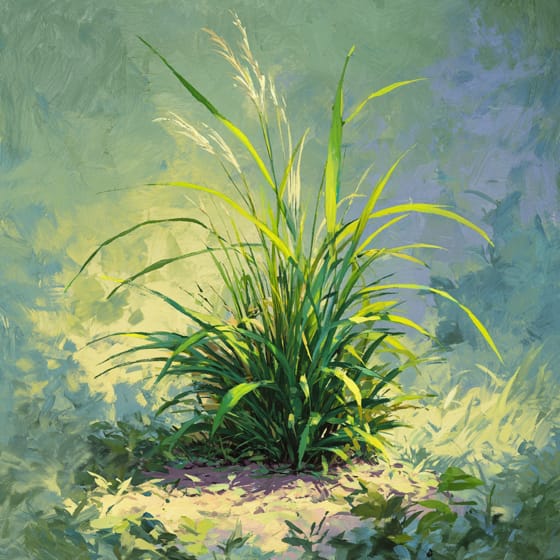
Poa pratensis
Their primary food source is the fresh green leaves of various grasses.
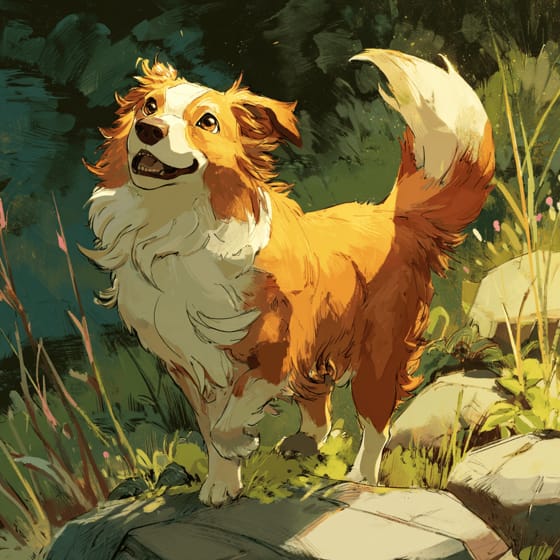
Canis familiaris
Stray dogs are a significant threat to nests, eggs, and young geese.
Feathered describes animals, primarily birds, possessing a covering of feathers.
Characterized by having toes connected by a membrane, typically aiding in swimming.
Social animals live in organized groups, cooperating for survival benefits such as foraging, defense, and raising offspring.
This trait characterizes organisms whose diet consists entirely or primarily of plant material.

This habitat trait identifies species found in wetlands, which are areas of land saturated with water, either permanently or seasonally, including marshes, swamps, and bogs.

Diurnal animals are primarily active during daylight hours, typically resting or sleeping at night.

Freshwater habitats include non-saline aquatic environments such as rivers, lakes, ponds, and wetlands, vital for numerous species.
No aliases listed yet.
Danger
1/5 · Very low
Always watch birds from a distance and do not try to touch them.
The easiest way to identify Ashy-headed Goose is to use the Snappit nature identifier app.
45-55 cm
85-95 cm
1-1.2 kg
10-15 years
70 km/h
These geese are vegetarians, mostly munching on fresh green grasses and other plant parts.
Wetlands
Zoom in to split clusters and explore where this object has been snapped.
Recent snaps will appear here as new observations are added.
Take the discovery with you
Snap it with Snappit to identify it, learn what makes it special, and add the discovery to your collection.




.jpg&width=800)








