





Asiatic lion
Panthera leo persica
The Asiatic lion is a big cat that lives in the Gir Forest of India. They have a beautiful golden coat and are known for their majestic manes. These lions are social animals and often live in groups called prides.
Habitat: Grasslands
The Asiatic lion has a tawny to sandy-brown coat and a distinctive, shorter mane on males compared to African lions. A unique longitudinal fold of skin runs along its belly. Its body is muscular with powerful legs.
Category
MammalsRarity
Rare
Danger
5/5 · Extreme
Snaps
Be the first to snap!
Historically, Asiatic lions ranged from Turkey to India, a truly vast empire!
Male Asiatic lions often don't share kills with females, a unique trait among lions!
Only a few hundred Asiatic lions remain in their last wild home, India's Gir Forest!
These lions have a special skin fold running along their belly, not seen on African lions!
The Asiatic lion has a sandy coat that helps it camouflage perfectly in dry grasslands and stalk prey unseen.
Asiatic lions can hunt in groups, working together to corner and overpower larger prey animals effectively.
The Asiatic lion has incredibly strong jaws and sharp teeth that help them deliver a powerful, fatal bite to their prey.
These powerful predators hunt large mammals, keeping their ecosystem healthy.
Rusa unicolor
primary large prey
Axis axis
frequent food source
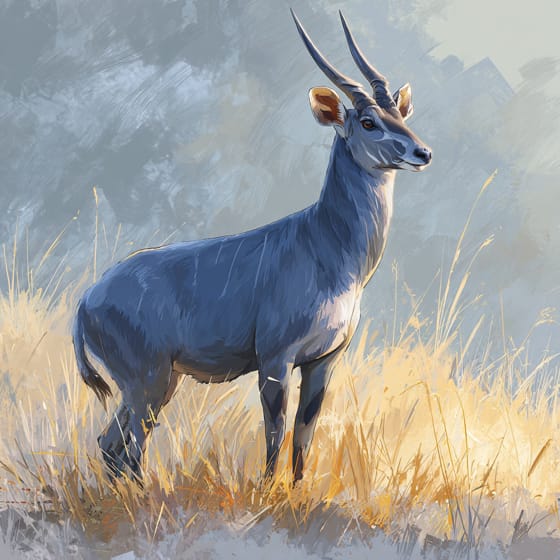
Boselaphus tragocamelus
large antelope prey
Hyaena hyaena
scavenges lion's leftovers
Furry describes animals possessing a dense covering of soft hair or fur.
Social animals live in organized groups, cooperating for survival benefits such as foraging, defense, and raising offspring.
Grassland habitats are terrestrial biomes dominated by grasses and herbaceous plants, supporting a variety of grazing animals.
This trait identifies organisms whose diet consists entirely or primarily of animal tissue.

Describes a species whose presence and role have a disproportionately large effect on its environment.

Nocturnal animals are primarily active during the nighttime hours, typically resting or sleeping during the day.

Endangered status indicates a species is at a very high risk of extinction in the wild in the near future.
Danger
5/5 · Extreme
Always admire lions from a safe distance, like at a zoo or in a documentary.
The easiest way to identify Asiatic lion is to use the Snappit nature identifier app.
140-250 cm
110-190 kg
16-18 years
80 km/h
These powerful predators hunt large mammals, keeping their ecosystem healthy.
Grasslands
Ambush
Zoom in to split clusters and explore where this object has been snapped.
Recent snaps will appear here as new observations are added.

England, UK
You might spot White Rhinoceros, Giraffes, and Ring-Tailed Lemur.
View guide →
.jpg)
Municipal District of Cobh, IE
You might spot Ring-Tailed Lemur, Giraffes, and Cheetahs.
View guide →

South Holland, NL
You might spot Polar Bear, Gorilla, and Asiatic Lion.
View guide →
Take the discovery with you
Snap it with Snappit to identify it, learn what makes it special, and add the discovery to your collection.




.jpg&width=800)




.JPG&width=800)


.jpg&width=800)
