





Atlantic camas
Camassia scilloides
The Atlantic camas is a beautiful flower that blooms in spring. Its star-shaped blue flowers grow in clusters and attract many pollinators like bees and butterflies.
Habitat: Wet meadows
The Atlantic camas has tall, slender stems topped with loose clusters of star-like, pale blue to white-blue flowers. Its delicate spikes of color make it visually distinct as an early bloomer in meadows.
Category
PlantsRarity
Common
Danger
1/5 · Very low
Snaps
7
Atlantic camas is sometimes called 'wild hyacinth' because its flowers look similar.
It can live for many years, sometimes even decades, from the same bulb!
Its underground bulb was a vital food source for many Native American tribes.
The word 'camas' comes from a Native American word meaning 'sweet'.
Atlantic camas can flower very early in spring, using energy stored in its bulb to grow before tree leaves block the sunlight.
It has a starchy bulb underground, allowing it to survive harsh winters and summer droughts by storing food.
Its vibrant blue flowers and nectar attract early bees, helping it reproduce when other food sources are scarce.
Apis mellifera
Collects nectar and pollen, aiding reproduction.
Bombus impatiens
An important native pollinator for its early flowers.

Odocoileus virginianus
Deer may browse on its leaves and flowers.
Microtus pennsylvanicus
Voles can sometimes feed on the underground bulbs.
Flowering plants are any plants that produce flowers as part of their reproductive cycle.
Cluster flowers are inflorescences where individual flowers are arranged closely together on a common stem.
Spring blooming plants produce their flowers during the spring season, often signifying the end of winter and the start of new growth.
Fragrant flowers emit a pleasant aroma, often to attract pollinators or for defense.

Edible plants are those parts of a plant that are considered safe for human consumption.

Grassland habitats are terrestrial biomes dominated by grasses and herbaceous plants, supporting a variety of grazing animals.

Describes plants that are particularly attractive and beneficial to a wide range of pollinating organisms.

This habitat trait identifies species found in wetlands, which are areas of land saturated with water, either permanently or seasonally, including marshes, swamps, and bogs.
No aliases listed yet.
Danger
1/5 · Very low
Do not eat any wild plants unless you are sure they are safe and have permission from an adult.
The easiest way to identify Atlantic camas is to use the Snappit nature identifier app.
30-60 cm
15-30 cm
2-3 cm
Spring
Yes
Mild
Perennial
Zoom in to split clusters and explore where this object has been snapped.

Illinois, US
You might spot Viceroy, Common Wood-Nymph, and Acadian Hairstreak.
View guide →

Arkansas, US
You might spot Rose Vervain, Ozark Leatherwood, and Trelease's Larkspur.
View guide →
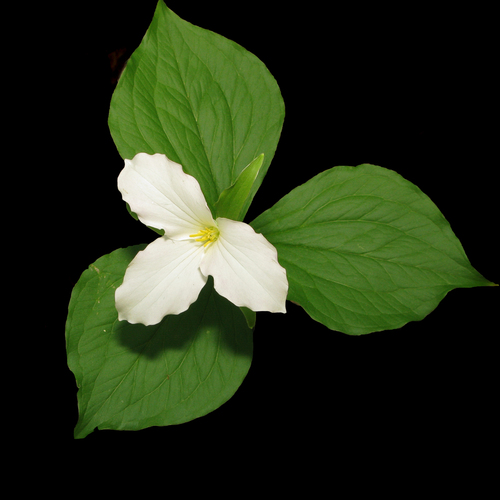
Ohio, US
You might spot Large White Trillium, Virginia Saxifrage, and Bloodroot.
View guide →

Indiana, US
You might spot Shield Lichens, Sunburst Lichens, Rosette Lichens, and Allies.
View guide →
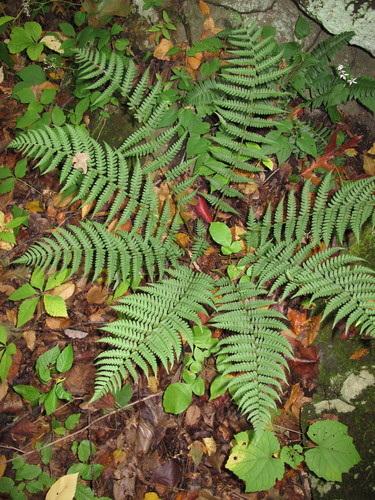
Missouri, US
You might spot Marginal Wood Fern and Common Map Turtle.
View guide →

Indiana, US
You might spot American Bullfrog and Rattlesnake Master.
View guide →
Take the discovery with you
Snap it with Snappit to identify it, learn what makes it special, and add the discovery to your collection.







.jpg&width=800)


_001.jpg&width=800)



