





autumn sage
Salvia greggii
Autumn sage is a colorful shrub that blooms with bright flowers in red, pink, or purple. It attracts butterflies and hummingbirds, making gardens lively and fun!
Habitat: Desert
The autumn sage has small, oval green leaves and delicate tubular flowers that bloom in vibrant shades of pink, red, purple, orange, or white. Its compact form and bright blossoms make it stand out in sunny landscapes.
Category
PlantsRarity
Common
Danger
1/5 · Very low
Snaps
Be the first to snap!
Ancient peoples used parts of this plant for traditional remedies and flavoring food!
Did you know its flowers can attract tiny hummingbirds from far away?
Even in dry spots, autumn sage blooms brightly, a real garden marvel!
Some varieties of autumn sage actually change their flower color as they mature!
Autumn sage produces bright, tubular flowers to perfectly invite hummingbirds for a sweet treat.
Autumn sage can thrive in dry conditions because its roots help it find and store water.
Autumn sage has a super long blooming time, making its vibrant flowers pop from spring to fall.

Archilochus colubris
drinks nectar from its tubular flowers
Apis mellifera
collects nectar and pollen for its hive
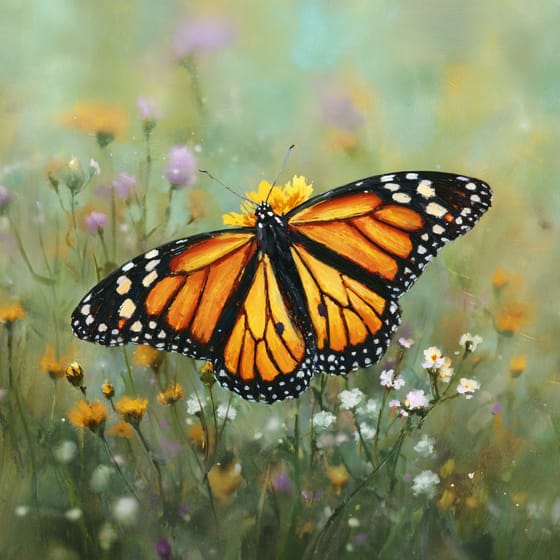
Danaus plexippus
rests on flowers and sips nectar
Aromatic plants produce and emit fragrant volatile organic compounds, often for defense or to attract pollinators.
Flowering plants are any plants that produce flowers as part of their reproductive cycle.
A shrub is a woody plant smaller than a tree, typically with multiple stems branching from or near the ground.
Fragrant flowers emit a pleasant aroma, often to attract pollinators or for defense.

Drought-tolerant plants can survive and flourish in conditions with limited water availability.

Colorful describes organisms or objects displaying a wide range of bright and distinct colors.

Edible plants are those parts of a plant that are considered safe for human consumption.

Fall color refers to the seasonal change in foliage pigmentation, primarily in deciduous plants, displaying vibrant hues.

Describes plants that are particularly attractive and beneficial to a wide range of pollinating organisms.

Desert habitats are arid regions characterized by extremely low precipitation and often extreme temperatures, supporting specialized flora and fauna.
Danger
1/5 · Very low
Always check with an adult before touching or tasting plants.
The easiest way to identify autumn sage is to use the Snappit nature identifier app.
60-90 cm
60-90 cm
1-2.5 cm
Spring to Fall
Yes
None
Perennial
Zoom in to split clusters and explore where this object has been snapped.
Recent snaps will appear here as new observations are added.
Take the discovery with you
Snap it with Snappit to identify it, learn what makes it special, and add the discovery to your collection.








.jpg&width=800)


_001.jpg&width=800)



