.jpg&width=800)





Axis porcinus
Axis porcinus
The Axis porcinus, also known as the swamp deer, is a graceful animal that loves to live near water. They have beautiful reddish-brown fur with white spots, making them look like they are wearing a fancy coat!
Habitat: Wetlands
The Axis porcinus is a small, stocky deer with short legs and a reddish-brown coat, often speckled with white spots in summer. Its distinctive low-slung, "hog-like" trot helps it navigate dense undergrowth, differing from other deer's graceful bounds.
Category
MammalsRarity
Common
Danger
2/5 · Low
Snaps
Be the first to snap!
Hog deer are amazing swimmers and can even dive underwater to hide from danger!
Their small, simple antlers are perfect for pushing through dense forests without getting tangled.
They're called 'Hog Deer' because they run with their heads low, like wild hogs charging!
Unlike many deer, they prefer to live alone, being one of the more solitary deer species.
Axis porcinus can run with its head down like a wild hog, because this helps them burst through thick vegetation easily.
Axis porcinus is a strong swimmer that helps them cross wide rivers and escape predators by diving underwater.
Axis porcinus has a speckled coat that helps them blend perfectly into the dappled light of their grassy habitats.
They munch on fresh grasses, leaves, and other juicy plants found near water sources.
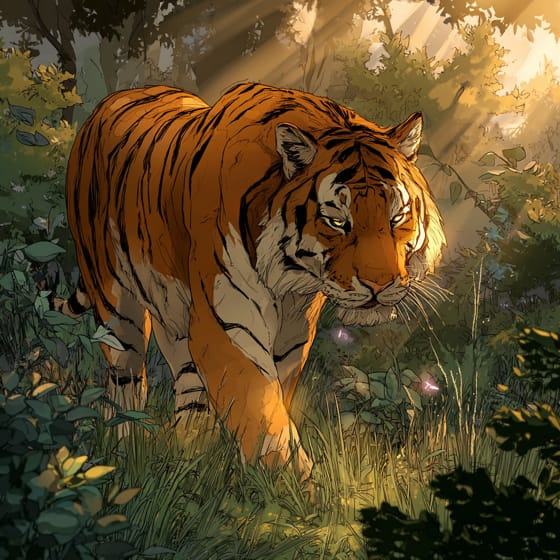
Panthera tigris
Apex predator hunting in shared habitats.
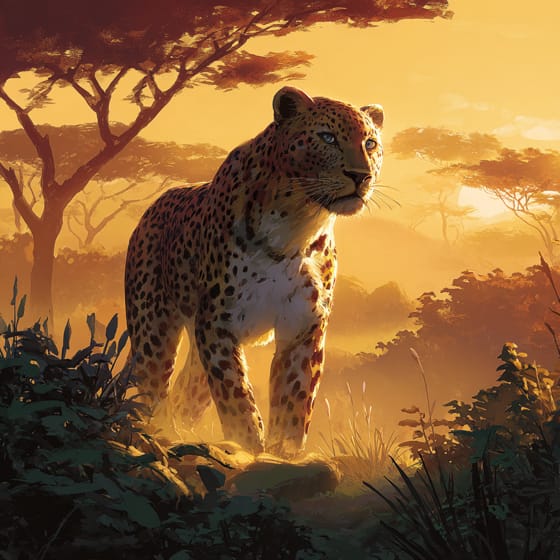
Panthera pardus
Common predator of deer, especially fawns.
_cropped.jpg&width=800)
Cuon alpinus
Packs hunt deer in their forest homes.
Canis aureus
Can prey on young or vulnerable Hog Deer.
Furry describes animals possessing a dense covering of soft hair or fur.
Marked with spots or patches of a different color.
Social animals live in organized groups, cooperating for survival benefits such as foraging, defense, and raising offspring.
Antlered describes animals possessing antlers, which are bony, branching growths found predominantly on male deer and related species.

This trait characterizes organisms whose diet consists entirely or primarily of plant material.

This habitat trait identifies species found in wetlands, which are areas of land saturated with water, either permanently or seasonally, including marshes, swamps, and bogs.

Diurnal animals are primarily active during daylight hours, typically resting or sleeping at night.

Aquatic habitats encompass environments where organisms live predominantly in water, including oceans, rivers, lakes, and wetlands.

Endangered status indicates a species is at a very high risk of extinction in the wild in the near future.
Danger
2/5 · Low
Always watch from a distance and do not approach wild animals.
The easiest way to identify Axis porcinus is to use the Snappit nature identifier app.
105-115 cm
30-70 kg
8-15 years
40 km/h
They munch on fresh grasses, leaves, and other juicy plants found near water sources.
Wetlands
Foraging
Zoom in to split clusters and explore where this object has been snapped.
Recent snaps will appear here as new observations are added.
Take the discovery with you
Snap it with Snappit to identify it, learn what makes it special, and add the discovery to your collection.




.jpg&width=800)


.JPG&width=800)


.jpg&width=800)
