





Baja Blue Rock Lizard
petrosaurus thalassinus
The Baja Blue Rock Lizard is a colorful little reptile that loves to bask in the sun! With its vibrant blue and green colors, it's like a living jewel found among the rocks.
Habitat: They live in rocky areas and coastal regions of Baja California.
The Baja Blue Rock Lizard has a striking bright blue body in males, often accented with black markings and a vibrant yellow or orange head. Its back features distinctive large, rough scales, setting it apart from smoother lizards. Females are typically duller, with brownish-grey tones.
Category
ReptilesRarity
Common
Danger
1/5 · Very low
Snaps
Be the first to snap!
Baby lizards look like tiny adults, gaining amazing blue colors as they grow.
Males flash bright blue colors to attract mates and warn rivals to stay away.
These lizards can lose and regrow their tail if caught, a clever escape trick!
They are excellent sunbathers, carefully choosing warm rocks to energize for the day.
Baja Blue Rock Lizard has adapted toes and claws that help them cling to steep rock faces with incredible grip.
This lizard can bask in the sun to warm its body quickly, helping them become active and hunt for food.
The Baja Blue Rock Lizard can dart away at high speed when threatened, using agility to vanish into rock crevices.
This lizard enjoys a varied menu of tasty insects, spiders, and even a few plants.

Pogonomyrmex californicus
a common insect prey in its desert home.
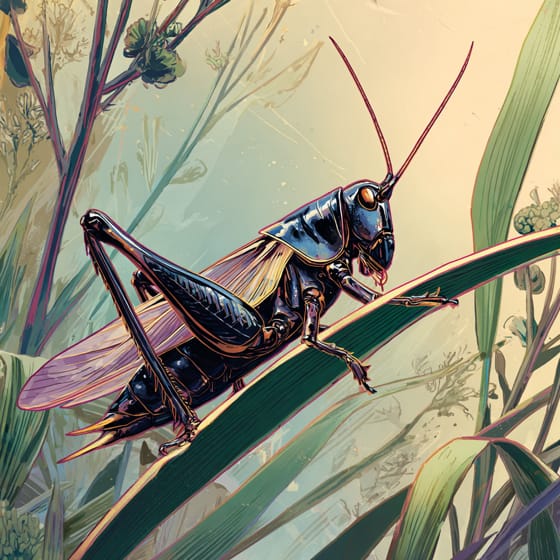
Gryllus assimilis
a swift insect hunted for energy and growth.

Crotalus ruber
a common snake predator found in its rocky habitat.
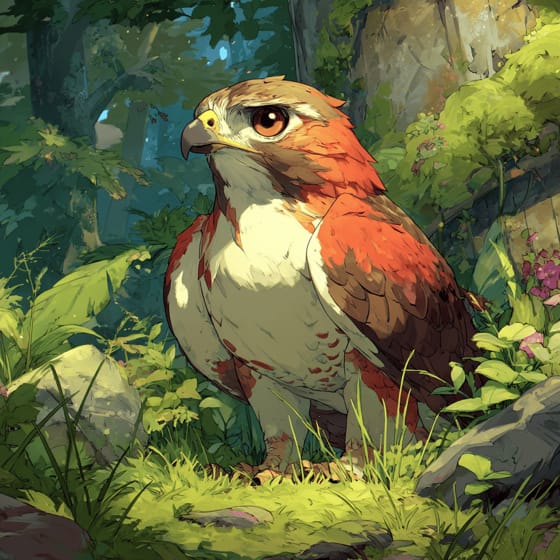
Buteo jamaicensis
a watchful bird of prey that hunts from above.
Colorful describes organisms or objects displaying a wide range of bright and distinct colors.
Coastal habitats are dynamic environments located along the interface between land and sea, influenced by tides, waves, and saltwater.
This trait identifies organisms whose diet consists entirely or primarily of animal tissue.
Diurnal animals are primarily active during daylight hours, typically resting or sleeping at night.
Danger
1/5 · Very low
Always observe lizards from a distance to avoid startling them.
The easiest way to identify Baja Blue Rock Lizard is to use the Snappit nature identifier app.
25-38 cm
0.02-0.05 kg
5-8 years
18 km/h
This lizard enjoys a varied menu of tasty insects, spiders, and even a few plants.
They live in rocky areas and coastal regions of Baja California.
Foraging
Zoom in to split clusters and explore where this object has been snapped.
Recent snaps will appear here as new observations are added.
Take the discovery with you
Snap it with Snappit to identify it, learn what makes it special, and add the discovery to your collection.














