.jpg&width=800)





Bar-headed Goose
Anser indicus
The Bar-headed Goose is a beautiful bird known for flying high in the sky, even over tall mountains! They have a unique gray and white body and are great at swimming in water.
Habitat: Wetlands
The Bar-headed Goose has a distinct white head marked with two bold black bars at the back. Its body is pale grey with darker flight feathers, complemented by bright yellow-orange legs. This unique head pattern makes it visually different from other geese.
Category
BirdsRarity
Common
Danger
1/5 · Very low
Snaps
Be the first to snap!
A single Bar-headed Goose can survive strong winds up to 100 mph while flying!
Ancient cave paintings show these geese, proving they've been around for ages!
Baby geese, called goslings, can swim just hours after hatching from their nests!
Unlike many birds, their feet are dark, but their legs are bright orange and yellow!
Bar-headed Goose can fly incredibly high, even over Mount Everest, because their unique lungs extract oxygen efficiently.
Bar-headed Goose has special hemoglobin that helps them carry oxygen even in the thin, cold air of high mountains.
Bar-headed Goose can fly for thousands of kilometers, enduring long journeys that helps them reach their wintering grounds.
Bar-headed Goose can fly in a 'V' formation that helps them save energy during their amazing high-altitude journeys.
They mostly munch on different plants, grasses, seeds, and sometimes small insects found near water.
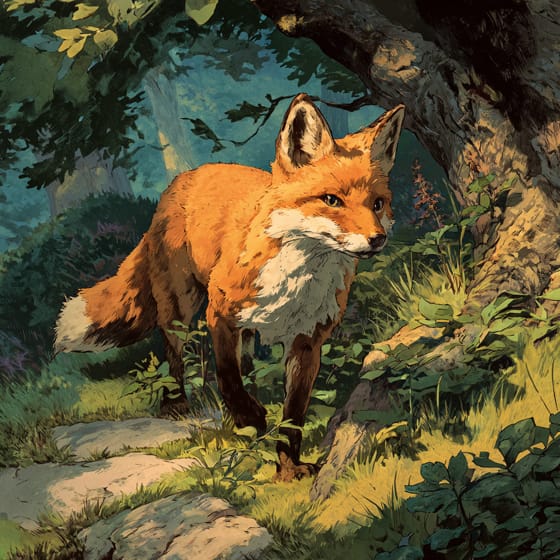
Vulpes vulpes
preys on eggs and goslings

Aquila chrysaetos
hunts adults and juveniles

Triticum aestivum
consumes grain from harvested fields
Schoenoplectus tabernaemontani
feeds on aquatic plant stems and roots
Anas platyrhynchos
often shares feeding grounds and water bodies
Feathered describes animals, primarily birds, possessing a covering of feathers.
Characterized by having toes connected by a membrane, typically aiding in swimming.
Social animals live in organized groups, cooperating for survival benefits such as foraging, defense, and raising offspring.
Aerial creatures spend a significant portion of their lives airborne, utilizing flight for various activities such as hunting, migration, or nesting.

Colorful describes organisms or objects displaying a wide range of bright and distinct colors.

This trait characterizes organisms whose diet consists entirely or primarily of plant material.

This habitat trait identifies species found in wetlands, which are areas of land saturated with water, either permanently or seasonally, including marshes, swamps, and bogs.

Diurnal animals are primarily active during daylight hours, typically resting or sleeping at night.

Describes a species whose presence and role have a disproportionately large effect on its environment.

Aquatic habitats encompass environments where organisms live predominantly in water, including oceans, rivers, lakes, and wetlands.

Migratory animals undertake seasonal movements from one region to another, typically in response to changes in climate or food availability.
No aliases listed yet.
Danger
1/5 · Very low
Always watch birds from a distance and don't try to touch them.
The easiest way to identify Bar-headed Goose is to use the Snappit nature identifier app.
68-78 cm
140-160 cm
1.8-3.2 kg
10-20 years
75 km/h
They mostly munch on different plants, grasses, seeds, and sometimes small insects found near water.
Wetlands
Zoom in to split clusters and explore where this object has been snapped.
Recent snaps will appear here as new observations are added.
Take the discovery with you
Snap it with Snappit to identify it, learn what makes it special, and add the discovery to your collection.




.jpg&width=800)





