





Barbary stag
Cervus elaphus barbarus
The Barbary stag is a beautiful deer with long antlers. They live in forests and are known for their graceful movements. These stags are a special part of nature and are not often seen.
Habitat: Forests
The Barbary stag has a reddish-brown coat that often darkens to a greyish-brown during winter. Males sport impressive, multi-tined antlers that are shed annually. It is visibly smaller and more compact than its European red deer cousins.
Category
MammalsRarity
Rare
Danger
2/5 · Low
Snaps
Be the first to snap!
Barbary stag fawns are born with spotted coats that help them hide in the dappled sunlight.
Barbary stags are the only native deer species found on the African continent!
During breeding season, male stags roar loudly to attract mates and challenge rivals.
They shed their impressive antlers every year, only to grow new, bigger ones!
Barbary stag can detect distant predators with its amazing sense of smell, helping them stay safe in dense forests.
Barbary stag has excellent hearing that helps them pick up faint sounds, alerting them to approaching dangers quickly.
Barbary stag can grow magnificent antlers which help them spar with rival stags for mates and defend against threats.
Barbary stag has powerful legs that help them run incredibly fast, allowing for quick escapes from predators.
They are plant-eaters, munching on a variety of leaves, grasses, and tree shoots found in their habitat.
Age differences: Young fawns drink milk from their mother before gradually switching to solid plant foods.
Canis aureus
Jackals may predate on vulnerable Barbary stag fawns.

Quercus ilex
Barbary stags browse on the leaves and acorns of this tree.

Pinus halepensis
They forage on young shoots and bark from this common conifer.
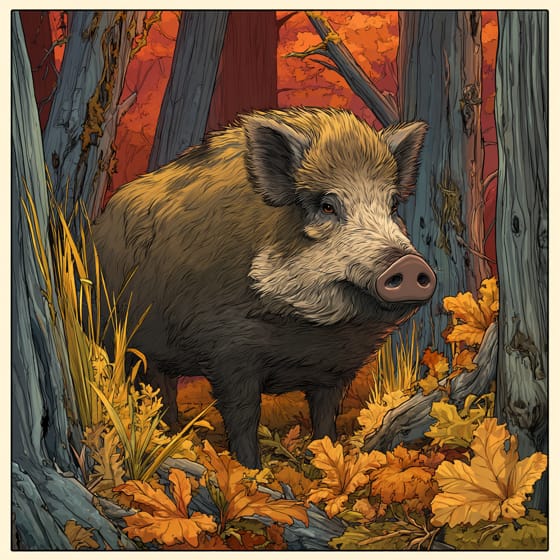
Sus scrofa
They share forest habitats and may compete for similar plant foods.
Furry describes animals possessing a dense covering of soft hair or fur.
Solitary animals live alone for most of their lives, only interacting with others for mating or parental care.
Antlered describes animals possessing antlers, which are bony, branching growths found predominantly on male deer and related species.
This trait characterizes organisms whose diet consists entirely or primarily of plant material.

Forest habitats are terrestrial environments dominated by dense tree cover, supporting a high diversity of plant and animal life.

This trait identifies organisms that exhibit exceptional swiftness in movement for hunting, escape, or travel.

Endangered status indicates a species is at a very high risk of extinction in the wild in the near future.
No aliases listed yet.
Danger
2/5 · Low
If you see a deer in the wild, it's best to observe from a distance and not approach.
The easiest way to identify Barbary stag is to use the Snappit nature identifier app.
140-200 cm
100-220 kg
10-20 years
70 km/h
They are plant-eaters, munching on a variety of leaves, grasses, and tree shoots found in their habitat.
Forests
Grazing
Zoom in to split clusters and explore where this object has been snapped.
Recent snaps will appear here as new observations are added.
Take the discovery with you
Snap it with Snappit to identify it, learn what makes it special, and add the discovery to your collection.




.jpg&width=800)



.JPG&width=800)


.jpg&width=800)
