





beaked panicum
Coleataenia anceps
Beaked panicum is a tall grass that grows in fields and along roadsides. It has long, slender leaves and fluffy seed heads that dance in the wind, making it a beautiful sight in nature.
Habitat: Grasslands
The beaked panicum is a clumping grass with broad, green leaves, often tinged purple as fall approaches. Its distinguishing feature is its airy, branching seed head, which holds tiny, pointed (beaked) seeds that give it its name.
Category
PlantsRarity
Common
Danger
1/5 · Very low
Snaps
Be the first to snap!
Its strong roots help hold soil in place, preventing it from washing away during heavy rain.
The 'beaked' part of its name comes from the pointy tip on each tiny seed.
This grass makes crunchy seeds that many small birds absolutely love to eat!
You might find this adaptable grass growing in both sunny fields and shady forest edges!
Beaked panicum has tough underground stems (rhizomes) that help it spread and quickly colonize new areas, securing its spot.
It produces abundant, tiny seeds with a unique 'beak,' allowing them to be easily dispersed by wind and animals for new plants.

Odocoileus virginianus
Grazes on its leaves and stems.
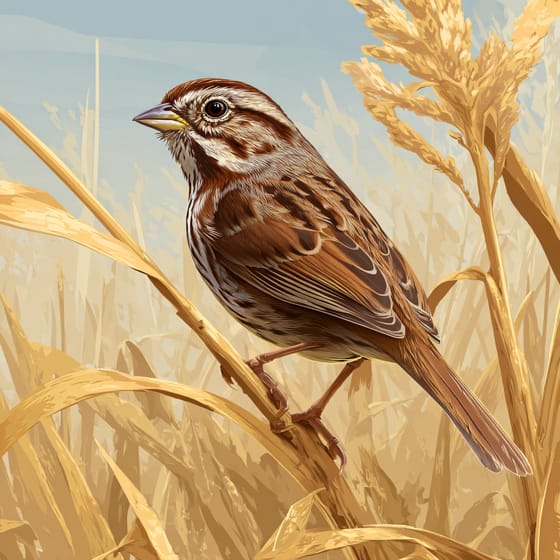
Melospiza melodia
Feeds on its small, nutritious seeds.
Anas platyrhynchos
Waterfowl consume its seeds, especially near wetlands.

Schistocerca americana
Chews on its leaves and tender shoots.
Grass-like plants are herbaceous plants that visually resemble true grasses, typically having long, narrow leaves.
Shade tolerant plants are adapted to grow and thrive in areas with low light levels, requiring less direct sunlight.
Grassland habitats are terrestrial biomes dominated by grasses and herbaceous plants, supporting a variety of grazing animals.
Rapid growing plants exhibit accelerated growth rates, quickly increasing in size and biomass within a short period.
No aliases listed yet.
Danger
1/5 · Very low
Always stay on paths when exploring fields and don't touch plants without asking an adult.
The easiest way to identify beaked panicum is to use the Snappit nature identifier app.
60-180 cm
30-60 cm
0.1-0.3 cm
Late summer to fall
No
None
Perennial
Zoom in to split clusters and explore where this object has been snapped.
Recent snaps will appear here as new observations are added.
Take the discovery with you
Snap it with Snappit to identify it, learn what makes it special, and add the discovery to your collection.









.jpg&width=800)



_001.jpg&width=800)



