





western stoneseed
Lithospermum ruderale
The western stoneseed is a special plant with bright yellow flowers. It grows in sunny places and has seeds that can be used to make a natural dye!
Habitat: Grasslands
The western stoneseed has hairy stems and narrow, fuzzy leaves. It produces clusters of small, trumpet-shaped flowers that range from greenish-yellow to bright yellow. Its seeds are hard, smooth, and gray-brown, resembling tiny pebbles.
Category
PlantsRarity
Common
Danger
1/5 · Very low
Snaps
3
Its super smooth seeds feel like tiny, polished stones, giving the plant its name!
Native Americans once used parts of this tough plant for traditional medicines.
Some people call it "lemonweed" because its crushed leaves have a slightly citrusy scent!
The western stoneseed's little flowers actually change color as they mature!
Western stoneseed has extremely hard, stony seeds that can survive dry spells, waiting years for perfect conditions to sprout!
Western stoneseed has fuzzy leaves that help trap moisture and reduce water loss, essential for its dry habitats.
Western stoneseed can grow a long taproot, reaching deep into the soil to find water during droughts.
Apis mellifera
its small yellow flowers attract these busy insects
Bombus vosnesenskii
a native bumblebee species visits its blooms
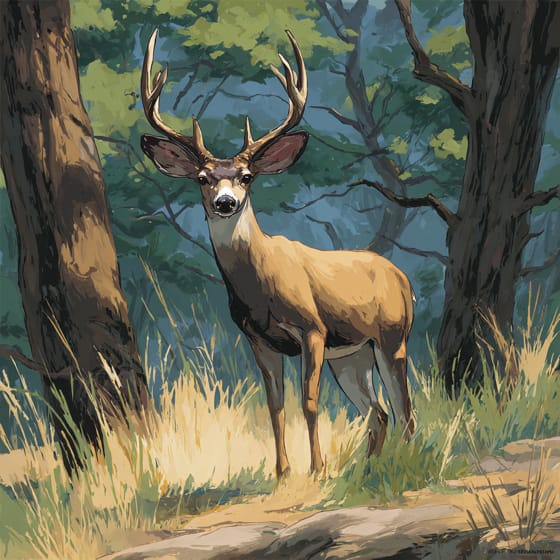
Odocoileus hemionus
mule deer browse on its leaves and stems
Flowering plants are any plants that produce flowers as part of their reproductive cycle.
This human use trait indicates species from which natural dyes can be extracted and used to color textiles, food, or other materials.
Drought-tolerant plants can survive and flourish in conditions with limited water availability.
Grassland habitats are terrestrial biomes dominated by grasses and herbaceous plants, supporting a variety of grazing animals.

Describes plants that are particularly attractive and beneficial to a wide range of pollinating organisms.

Describes organisms that transfer pollen, enabling the fertilization and reproduction of plants.
No aliases listed yet.
Danger
1/5 · Very low
Always look but don't touch plants unless you know they are safe.
The easiest way to identify western stoneseed is to use the Snappit nature identifier app.
10-60 cm
15-30 cm
0.5-1 cm
Spring-early summer
No
Mild
Perennial
Zoom in to split clusters and explore where this object has been snapped.

Wyoming, US
You might spot Moose, Uinta Ground Squirrel, and American Bison.
View guide →

Wyoming, US
You might spot Moose, Arrowleaf Balsamroot, and Black Bear.
View guide →

Montana, US
You might spot Spotted Knapweed, Great Mullein, and Nodding Onion.
View guide →

Wyoming, US
You might spot Elk, Killdeer, and Black-Billed Magpie.
View guide →

British Columbia, CA
You might spot Yellow-Bellied Marmot and Rubber Rabbitbrush.
View guide →
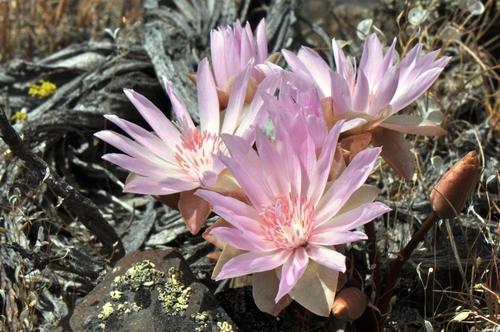
British Columbia, CA
You might spot Bitterroot, Arrowleaf Balsamroot, and Western Stoneseed.
View guide →
Take the discovery with you
Snap it with Snappit to identify it, learn what makes it special, and add the discovery to your collection.








.jpg&width=800)



_001.jpg&width=800)




