





beauty rat snake
Orthriophis taeniurus
The beauty rat snake is a colorful snake that can be found in many places. It has beautiful patterns that help it blend in with trees and bushes. These snakes are friendly and not dangerous to people.
Habitat: Forests
The beauty rat snake has a slender body with striking patterns, typically yellowish-brown to olive, adorned with prominent black stripes or checkerboard markings. Its head can be yellowish or reddish, often with a distinct black stripe extending from the eye to the neck. These bold markings make it visually distinct.
Category
ReptilesRarity
Common
Danger
1/5 · Very low
Snaps
Be the first to snap!
Beauty rat snakes can be quite curious, often peeking out from their hiding spots!
Despite their size, these impressive snakes are not venomous and are harmless to humans!
Some beauty rat snakes have glowing irises, making their eyes look like golden jewels!
They are sometimes called 'cave racers' for their surprising speed in dark places!
Beauty rat snake can squeeze its prey because of its strong, muscular body that helps them overpower small animals.
Beauty rat snake can climb trees and structures because of its agile body and specialized scales that helps them hunt and escape.
Beauty rat snake has diverse color patterns that helps them blend into different environments, making it hard for predators to spot.
This adaptable snake eats small mammals, birds, and eggs to keep its energy up!

Rattus rattus
A primary food source in many habitats.
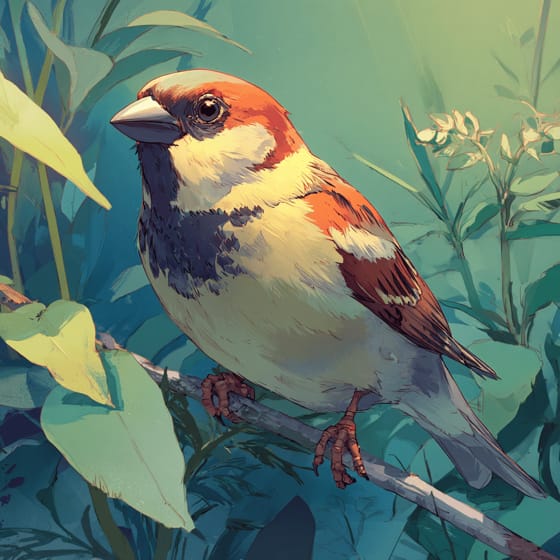
Passer domesticus
Climbs to nests for eggs and chicks.
Spilornis cheela
A common bird of prey in its native range.
Solitary animals live alone for most of their lives, only interacting with others for mating or parental care.
Arboreal animals live primarily in trees, utilizing them for shelter, food, and protection from predators.
Camouflaged describes organisms that possess coloring or patterns that allow them to blend into their environment.
Colorful describes organisms or objects displaying a wide range of bright and distinct colors.

Forest habitats are terrestrial environments dominated by dense tree cover, supporting a high diversity of plant and animal life.

This trait identifies organisms whose diet consists entirely or primarily of animal tissue.

Diurnal animals are primarily active during daylight hours, typically resting or sleeping at night.

This trait identifies organisms that exhibit exceptional swiftness in movement for hunting, escape, or travel.
Danger
1/5 · Very low
If you see a snake, it's best to admire it from a distance and not touch it.
The easiest way to identify beauty rat snake is to use the Snappit nature identifier app.
160-240 cm
0.5-2.5 kg
10-20 years
5 km/h
This adaptable snake eats small mammals, birds, and eggs to keep its energy up!
Forests
Ambush
Zoom in to split clusters and explore where this object has been snapped.
Recent snaps will appear here as new observations are added.
Take the discovery with you
Snap it with Snappit to identify it, learn what makes it special, and add the discovery to your collection.











