





Beech Gall Midge
Mikiola fagi
The Beech Gall Midge is a tiny insect that makes little galls on beech trees. These galls are like cozy homes for the midge's babies, helping them grow safely inside the tree.
Habitat: Forests
The Beech Gall Midge is a tiny, slender fly with a brownish body and delicate, clear wings. It has long, segmented antennae and slender legs, making it resemble a miniature mosquito. Its small size, typically a few millimeters, distinguishes it from larger flies.
Category
InsectsRarity
Common
Danger
1/5 · Very low
Snaps
1
Adult Beech Gall Midges are so small, many people might mistake them for specks of dust!
Baby gall midges spend nearly a year cozy inside their leaf 'bubble' before emerging as adults!
The special bumps they create, called galls, often turn vibrant red in autumn before falling off!
These tiny insects can trick a beech tree into growing a unique home just for their babies!
Beech Gall Midge can prompt beech trees to grow unique, protective galls, providing a safe nursery for its larvae inside.
Beech Gall Midge has specialized chemicals that trick beech trees into forming a cozy, nutrient-rich home for its developing young.
Beech Gall Midge larvae feed on the sap and plant tissues of beech trees while hidden inside galls.
Age differences: Adult midges generally do not feed, focusing entirely on reproduction, while larvae consume plant tissues.
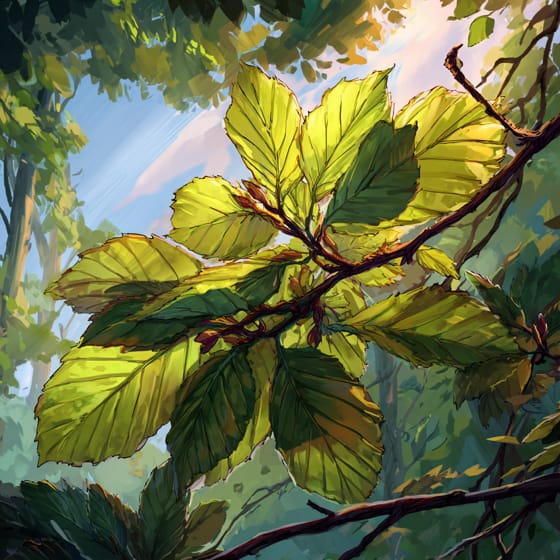
Fagus sylvatica
Provides shelter and food for larvae within induced galls.
Platygaster demades
Lays eggs inside gall midge larvae, using them as living food.
%2C_Parc_de_Woluw%C3%A9%2C_Brussels_(13042792905).jpg&width=800)
Parus major
Feeds on adult midges and sometimes extracts larvae from galls.
Solitary animals live alone for most of their lives, only interacting with others for mating or parental care.
This trait characterizes organisms whose diet consists entirely or primarily of plant material.
Forest habitats are terrestrial environments dominated by dense tree cover, supporting a high diversity of plant and animal life.
Pertaining to species that are significantly smaller than typical or average for their kind.

Describes organisms that transfer pollen, enabling the fertilization and reproduction of plants.
No aliases listed yet.
Danger
1/5 · Very low
It's best to look at trees from a distance and not touch them to keep the insects safe.
The easiest way to identify Beech Gall Midge is to use the Snappit nature identifier app.
4-8 mm
2-4 mm
3-7 days
1 km/h
Beech Gall Midge larvae feed on the sap and plant tissues of beech trees while hidden inside galls.
Forests
6
Zoom in to split clusters and explore where this object has been snapped.
Take the discovery with you
Snap it with Snappit to identify it, learn what makes it special, and add the discovery to your collection.









.jpg&width=800)



