





Bandwing Grasshoppers
oedipodinae
Bandwing Grasshoppers are colorful insects that can leap high into the air! They have special wings that make a buzzing sound when they fly, which can be very exciting to hear.
Habitat: Fields, meadows, and grasslands.
The Bandwing Grasshopper has a robust body, typically gray or brown, that camouflages it perfectly on the ground. Its most striking feature is its brightly colored hindwings, often yellow, orange, or red with a distinct black band, which are only visible when it flies.
Category
InsectsRarity
Common
Danger
0/5 · No known danger
Snaps
Be the first to snap!
The vibrant colors on their wings disappear instantly when they land, helping them hide again!
Their amazing camouflage makes them nearly invisible until they suddenly leap or fly away!
These grasshoppers can produce a dry crackling sound by rubbing their hind wings together mid-flight!
When they fly, some species flash brilliant red, yellow, or blue hidden wings!
Bandwing Grasshoppers can suddenly reveal brightly colored hindwings because it startles predators, giving them a chance to escape.
Bandwing Grasshoppers can make a crackling sound during flight that helps them warn other grasshoppers or confuse predators.
Bandwing Grasshoppers have earth-toned forewings that help them blend seamlessly with rocks and dry vegetation when at rest.
These grasshoppers munch on various plants, helping to keep ecosystems healthy!
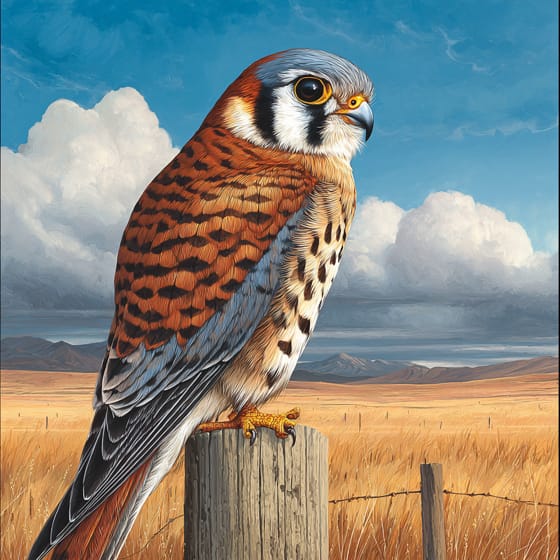
Falco sparverius
A small hawk that preys on insects like grasshoppers.
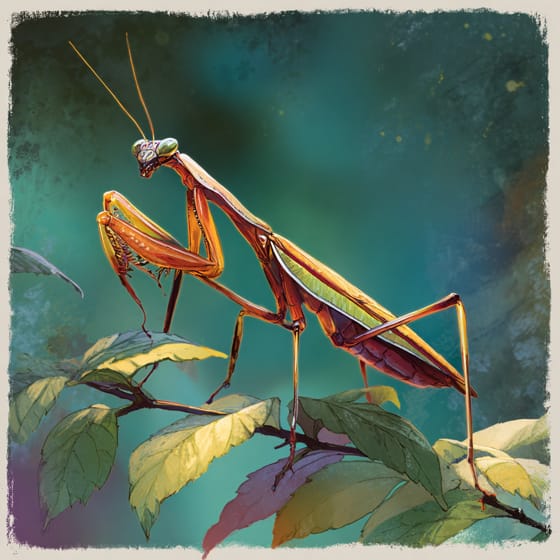
Mantis religiosa
An ambush predator that catches insects, including grasshoppers.

Poa pratensis
A common grass that serves as a food source for these herbivores.
_Clock_-_Tennessee%2C_USA_-_May_31%2C_2014.jpg&width=800)
Taraxacum officinale
A common weed frequently consumed by grasshoppers.
Solitary animals live alone for most of their lives, only interacting with others for mating or parental care.
Colorful describes organisms or objects displaying a wide range of bright and distinct colors.
Grassland habitats are terrestrial biomes dominated by grasses and herbaceous plants, supporting a variety of grazing animals.
This trait characterizes organisms whose diet consists entirely or primarily of plant material.

Diurnal animals are primarily active during daylight hours, typically resting or sleeping at night.
Danger
0/5 · No known danger
No special safety notes yet.
The easiest way to identify Bandwing Grasshoppers is to use the Snappit nature identifier app.
40-100 mm
20-50 mm
60-120 days
15 km/h
These grasshoppers munch on various plants, helping to keep ecosystems healthy!
Fields, meadows, and grasslands.
Foraging
Zoom in to split clusters and explore where this object has been snapped.
Recent snaps will appear here as new observations are added.
Take the discovery with you
Snap it with Snappit to identify it, learn what makes it special, and add the discovery to your collection.






.jpg&width=800)



